Drone surveys off Kona found that calves under two years make up only 9% of the spinner dolphin population near Hawai'i Island—about half the level considered necessary for population stability. Researchers led by Fabien Vivier and Lars Bejder say chronic disturbance from snorkeling and sightseeing boats during daytime resting periods is a likely cause. The study suggests the 50-yard federal buffer may be insufficient and recommends measures such as time-area closures to protect critical resting habitat.
Tourism May Be Reducing Birth Rates in Hawaiian Spinner Dolphins, Study Warns
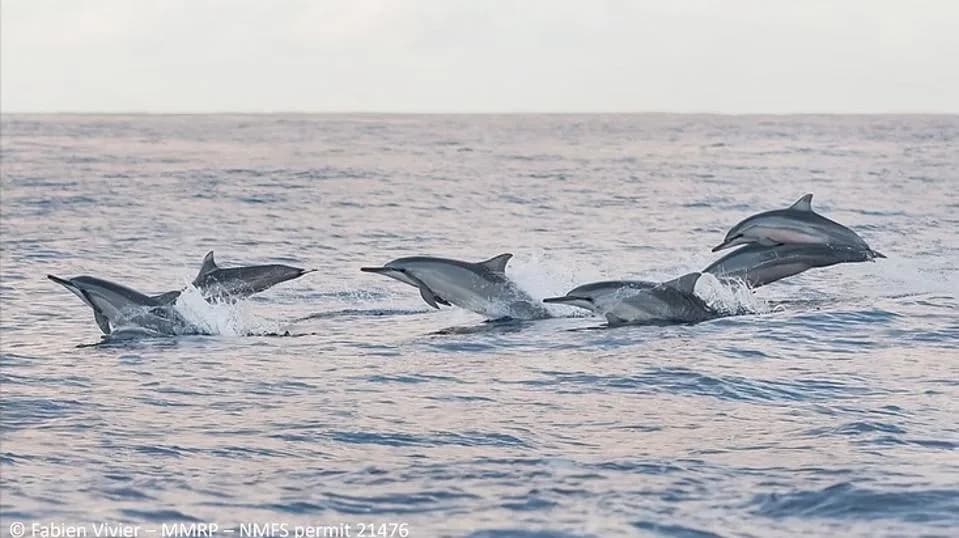
A group of Hawaiian spinner dolphins travels fast near the islands.Fabien Vivier, University of Hawai'i Marine Mammal Research Program - NMFS permit 21476
Spinner dolphins are one of the most appealing wildlife encounters around the Hawaiian Islands. These small, highly social marine mammals—famous for their spinning leaps and playful displays—return each morning to shallow bays to rest in large pods, a behavior that makes them especially visible to visitors.
Study And Findings
Drone surveys conducted off Kona, Hawai'i, found that calves under two years old account for only about 9% of the spinner dolphin population near Hawai'i Island. According to a study published in Endangered Species Research, that figure is roughly half the proportion needed to sustain a healthy, stable population.
"Our recent findings are rather depressing. Dolphins are not producing enough calves for the population to stay stable—and it's likely due to human pressures," said Lars Bejder, director of the Marine Mammal Research Program at the University of Hawai'i Mānoa.
Why Tourism Is A Concern
Researchers, led by Fabien Vivier, used drone imagery to estimate body size and age structure of pods and documented fewer calves than expected. The team points to chronic human disturbance—particularly snorkeling and sightseeing boats coming near resting dolphins during daytime—as a likely factor reducing reproductive success and calf survival.
Despite a 2021 federal rule that requires people and vessels to stay at least 50 yards from spinner dolphins, the study suggests that this buffer may not be sufficient to prevent repeated disturbance. Persistent interruptions during critical resting periods can degrade overall pod health in ways that are harder to reverse than short-term behavioral changes.
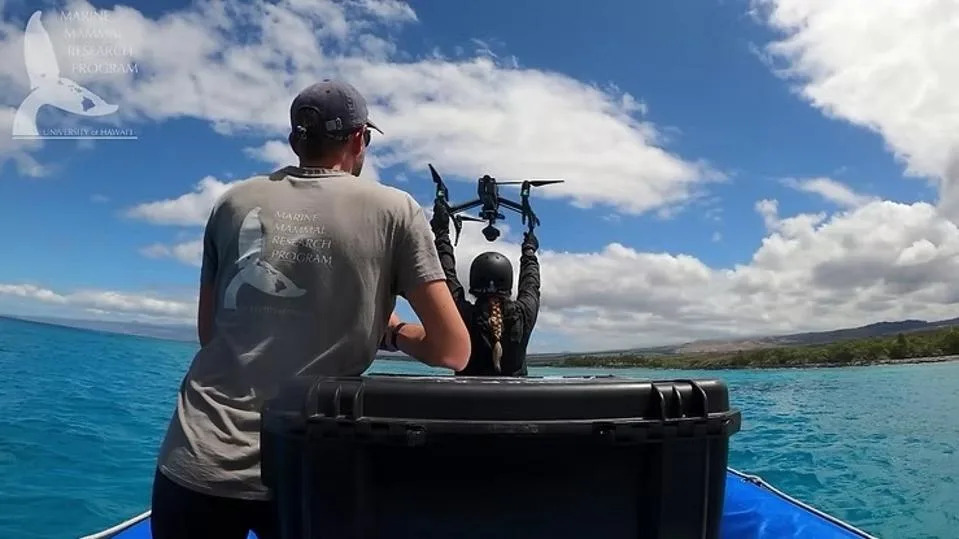
Marine scientists Fabien Vivier and Kyleigh Fertitta conducted drone surveys to monitor spinner dolphins off Kona, Hawai'i.
Cultural And Economic Stakes
In Hawaiian culture, spinner dolphins (Naiʻa) are regarded as guardians who watch over people at sea. A decline in their population could therefore have cultural, ecological, and economic consequences. Dolphin tourism generates more than $100 million annually for Hawai'i, with each dolphin estimated to contribute roughly $3.3 million in lifetime value to the local economy.
Management Options
Researchers and conservationists recommend stronger protections to give dolphins uninterrupted rest, such as targeted time-area closures in key bays, stricter enforcement of distance rules, and public education for tour operators and snorkelers. Such measures aim to strike a balance between tourism, cultural stewardship, and long-term marine mammal protection.
These findings provide evidence that chronic, repeated human interactions—not just single close encounters—can have population-level consequences. Implementing more robust management actions could help ensure Hawai'i's spinner dolphins continue to thrive for generations to come.
Originally published on Forbes.com; study published in Endangered Species Research.
Help us improve.