The resolution introduced by Rep. Nancy Mace seeks to disband race-based congressional caucuses, including the Congressional Black Caucus, prompting immediate condemnation from Democratic leaders who called the move racist and politically motivated. Mace described such caucuses as "segregation by the legislative branch," while caucus chairs and House Democrats argued the proposal targets minority representation. The CBC, founded during the Civil Rights era and now at a record 62 members, could face losses after upcoming redistricting. Democrats say the resolution is a diversionary political stunt that would silence minority voices in Congress.
Nancy Mace Sparks Outcry With Resolution To Eliminate Race-Based Congressional Caucuses
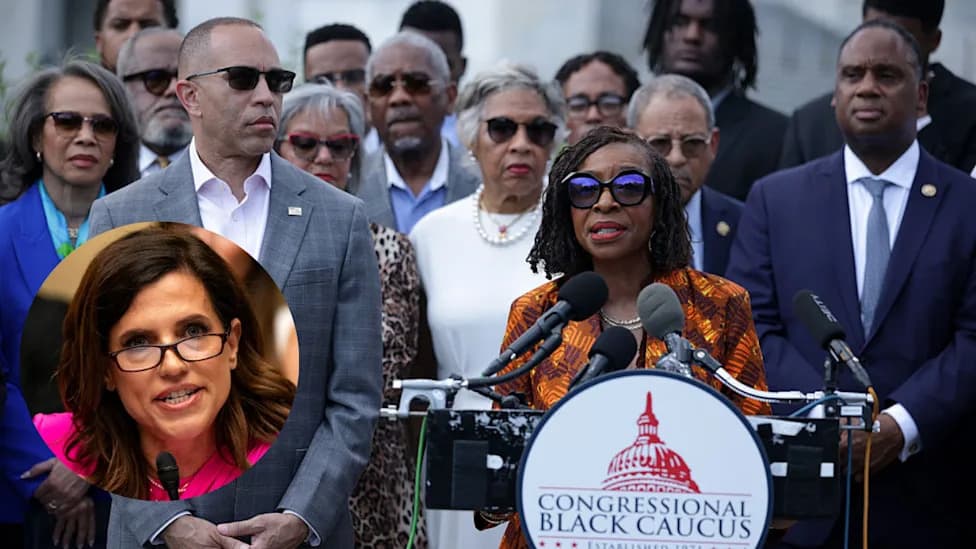
(Photo: Getty Images)
A resolution filed by Republican Rep. Nancy Mace (R-S.C.) that would disband race-based congressional caucuses — including the Congressional Black Caucus (CBC) — has drawn swift and sharp criticism from Democratic leaders and caucus chairs, who called the proposal racist and politically motivated.
Proposal and Rationale
Mace introduced the resolution on Thursday, arguing that caucuses organized around race amount to "segregation by the legislative branch." In a statement she said:
"Race-based caucuses are not about diversity. You do not get to lecture America about inclusion while running an organization checking skin color at the door or advocating for Americans of one race over another. It is discrimination under the guise of diversity."
Democratic Response
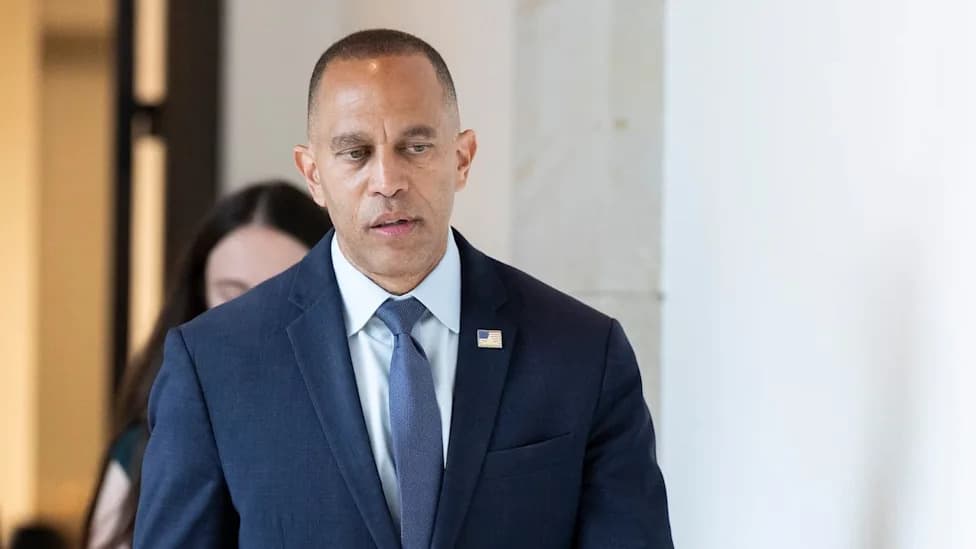
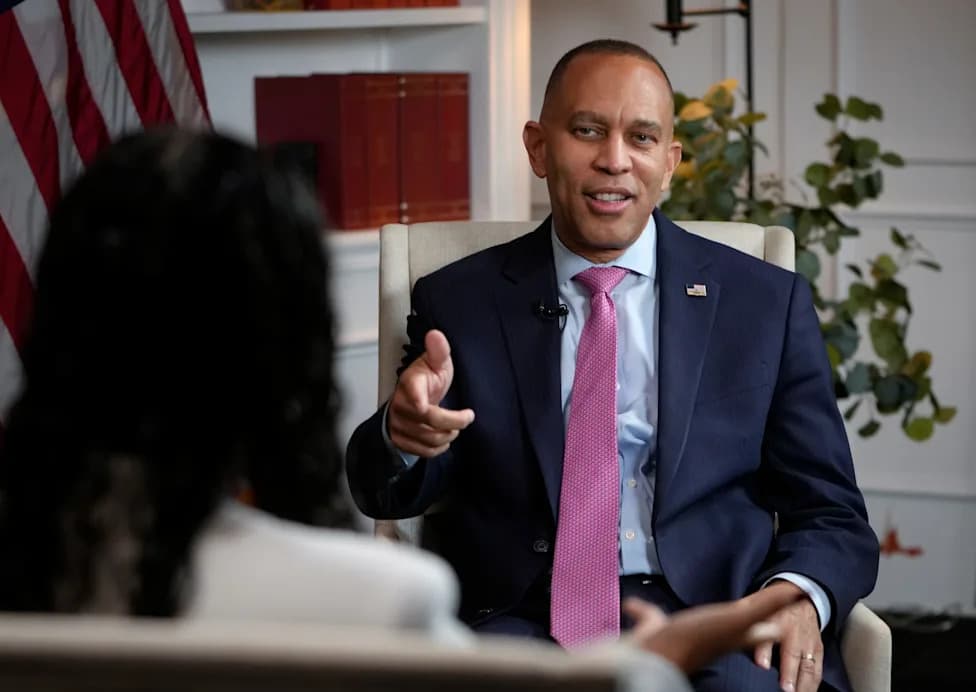
Democratic leaders, including Rep. Yvette D. Clarke (D-N.Y.), chair of the Congressional Black Caucus; Rep. Adriano Espaillat (D-N.Y.), chair of the Congressional Hispanic Caucus; and Rep. Grace Meng (D-N.Y.), chair of the Congressional Asian Pacific American Caucus, condemned the resolution as an attempt to silence minority voices. House Democratic leadership — Minority Leader Hakeem Jeffries, Minority Whip Katherine Clark and Democratic Caucus Chair Pete Aguilar — joined the rebuke, characterizing the move as a "cheap political stunt" and a distraction from constituent priorities.
"Members of Congress have every right to organize around shared policy priorities and the constituencies they serve," the caucuses and House Democrats said in a joint statement, adding that singling out the Congressional Tri-Caucus — which represents Asian, Black, Hispanic, Native Hawaiian and Pacific Islander communities and nearly half of the U.S. population — is discriminatory.
Context: The Congressional Black Caucus
The Congressional Black Caucus began as the Democratic Select Committee in 1969 and adopted the CBC name in 1971 amid the Civil Rights Movement. It was created to help Black members coordinate legislative efforts addressing systemic racism and policy issues affecting Black Americans. Founding members included Shirley Chisholm, John Conyers, Charles Rangel, Ron Dellums, Louis Stokes and others.
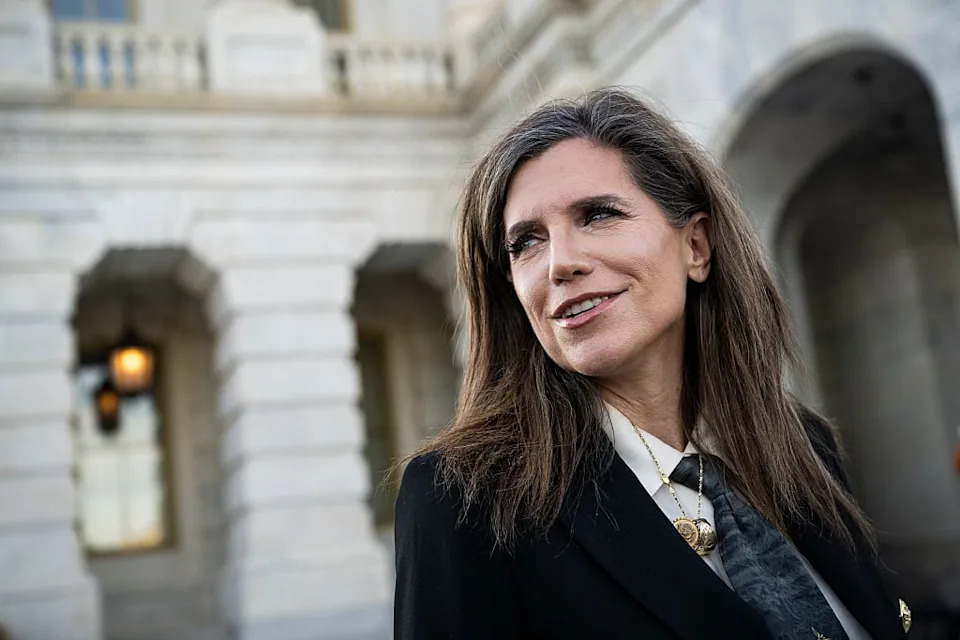
WASHINGTON, DC – MAY 12: U.S. Rep. Nancy Mace (R-SC) arrives for votes in the House during a candlelight vigil in honor of National Police Week at the U.S. Capitol on May 12, 2026, in Washington, DC. National Police Week commemorates law enforcement officers who have lost their lives in the line of duty. (Photo by Graeme Sloan/Getty Images)
Today the CBC says it has a record 62 members, though Democrats warned the caucus could shrink after upcoming elections as Republican-led redistricting in some Southern states redraws districts that have historically been majority-Black.
Mace's Political Profile
Mace was first elected to Congress in 2020 and took office in 2021. Early in her tenure she criticized former President Donald Trump’s actions related to the Jan. 6, 2021 attack on the Capitol, but over time she has shifted toward a more conservative profile. Critics point to a pattern of controversial remarks and confrontations involving minority and LGBTQ+ colleagues and to an unsuccessful 2022 primary campaign for South Carolina governor, in which she finished fifth. She has also faced scrutiny for an on-air or airport confrontation in which she used profane language toward staff.
What Comes Next
The resolution faces strong bipartisan opposition from Democratic lawmakers and caucus leaders who say it would curtail the ability of members to organize around the interests of historically marginalized communities. Whether the resolution advances in a Republican-controlled committee or floor process remains uncertain, but the proposal has already energized defenders of the Tri-Caucus and renewed debate about the role of identity-based caucuses in Congress.
Key figures quoted or referenced: Rep. Nancy Mace (R-S.C.); Rep. Yvette D. Clarke (D-N.Y.); Rep. Adriano Espaillat (D-N.Y.); Rep. Grace Meng (D-N.Y.); Minority Leader Hakeem Jeffries (D-N.Y.); Minority Whip Katherine Clark (D-Mass.); Democratic Caucus Chair Pete Aguilar (D-Calif.).
Help us improve.