The Democratic Republic of Congo reported 2,905 confirmed Ebola cases and 1,269 deaths after reconciling provincial records that added more than 300 cases. The outbreak, declared in mid-May, is caused by the rare Bundibugyo strain, which has an estimated 40% fatality rate and currently has no approved vaccine. The World Health Organization warns the true scale could be two to four times larger than official counts, underscoring surveillance and reporting challenges.
DRC Ebola Cases Near 3,000 After Provincial Data Reconciliation — WHO Warns Outbreak May Be Larger
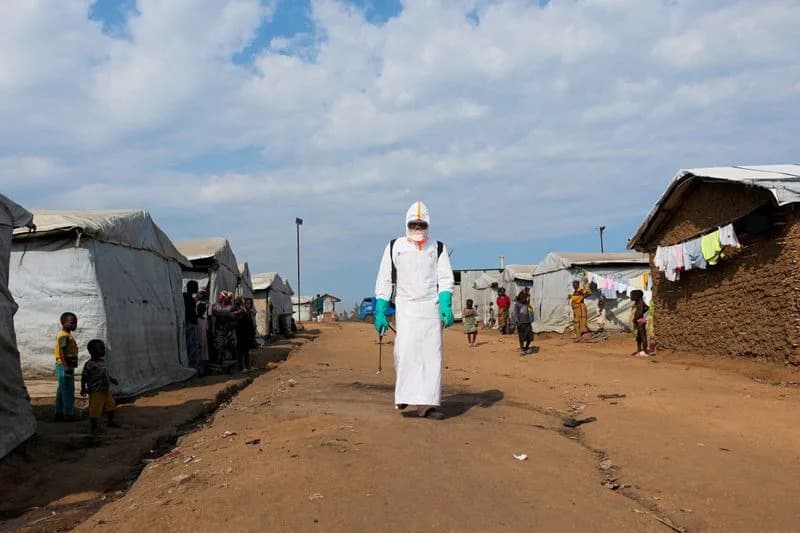
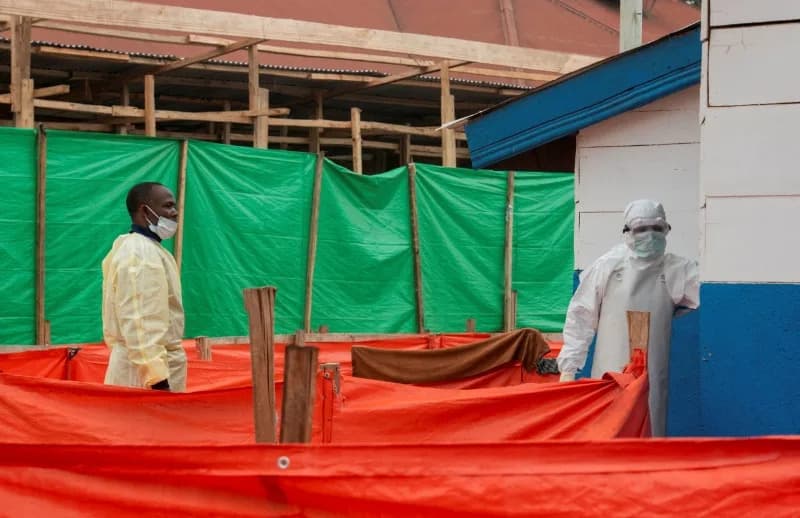
FILE PHOTO: Displaced people watch a health worker in full personal protective equipment (PPE) preparing to disinfect the area during the burial of suspected Ebola victims at the Kigonze displaced persons camp in Bunia, eastern Democratic Republic of Congo, on June 18, 2026, one month after the outbreak was declared. REUTERS/Gradel Muyisa Mumbere/File Photo
Officials in the Democratic Republic of Congo said on Friday that confirmed Ebola infections were approaching 3,000 after a review of provincial case records added more than 300 confirmed cases to the national tally.
Latest Figures
The country's public health institute reported 2,905 confirmed cases and 1,269 confirmed deaths in its daily update. The spike reflected the reconciliation of records from two of the hardest-hit provinces — Ituri and North Kivu — with national figures.
Scale and Cause
Health experts emphasize that the outbreak, declared in mid-May, was likely circulating for weeks before official detection. The epidemic is being driven by the rare Bundibugyo strain of the Ebola virus, which has an estimated case fatality rate of about 40%. There is currently no approved vaccine for this strain.
World Health Organization: The true scale of the outbreak could be two to four times larger than official counts, reflecting surveillance challenges and potential underreporting.
Implications
The addition of cases following data reconciliation highlights ongoing reporting and surveillance gaps in affected provinces. Health authorities and international partners may need to increase testing, contact tracing, treatment capacity and community engagement to control spread.
(Reporting by Fiston Mahamba in Goma; Writing by Anait Miridzhanian in Dakar; Editing by Alexander Winning and Andrew Heavens)
Help us improve.