After a five-year legal and administrative process, Nueva Pescanova has withdrawn its licence application for an octopus farm at Las Palmas in the Canary Islands. Campaigners objected to the company's proposed "ice slurry" slaughter method, which would have frozen animals at about -3°C, and to welfare issues from communal tanks and constant light. Authorities also investigated environmental, odour and public-health risks. Animal-welfare groups welcomed the withdrawal and renewed calls for an EU ban on octopus farming.
Octopus Farm Plans Scrapped After Outcry Over Proposed 'Ice Slurry' Freezing Method
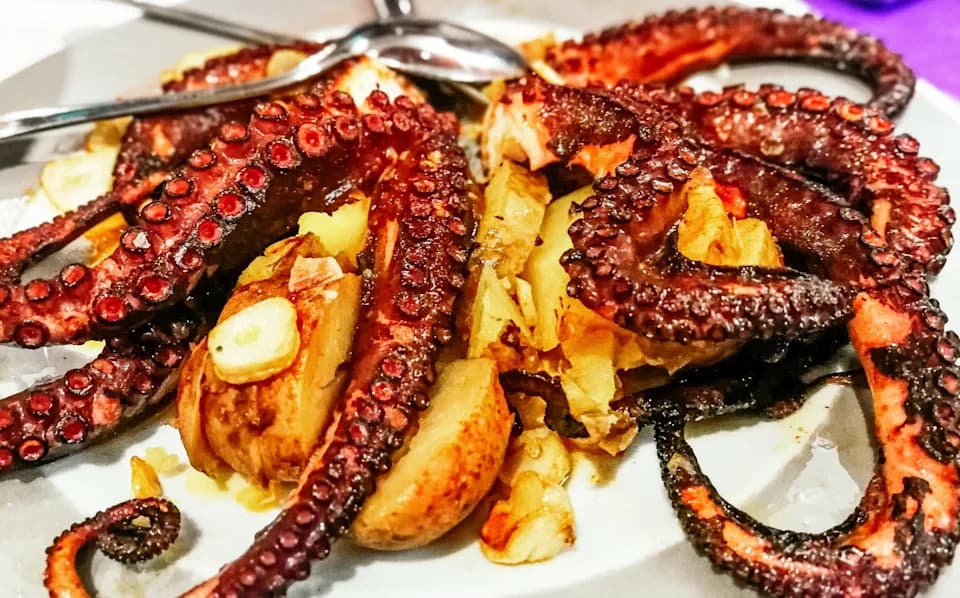
Hundreds of millions of tonnes of octopus is sold for food each year - Manu Vega
Plans to open what would have been the world’s first commercial octopus farm at Las Palmas port in the Canary Islands have been abandoned after five years of legal challenges and sustained public opposition.
What Happened
Spanish seafood company Nueva Pescanova had secured more than £40 million to develop the project, which aimed to rear up to a million octopuses in its first year and produce about 3,000 tonnes of meat annually. The company has now withdrawn its licence application to build and operate the farm.
Welfare and Environmental Concerns
Campaigners and local residents raised multiple concerns. Animal-welfare groups criticised plans to keep octopuses in communal tanks under continuous artificial light—conditions they say conflict with the animals' natural, solitary behaviour in sheltered dark crevices. Most vocally, opponents condemned the proposed slaughter method: an "ice slurry" process that would expose animals to temperatures around -3°C, effectively freezing them to death. Critics called this technique inhumane.

Environmental and public-health worries also played a major role. Officials and civic groups warned the farm could generate strong odours near Las Palmas's busy ferry terminal, risk local pollution, and create bacterial hazards associated with densely farmed cephalopods. Compassion In World Farming estimated the operation would require roughly 28,000 tonnes of wild-caught fish annually to feed the farm—raising questions about its sustainability and impacts on marine ecosystems.
Regulatory Process and Withdrawal
The decision followed an extended administrative process, including an environmental inquiry opened by the Canary Islands government and a separate review by the Las Palmas port authority. Nueva Pescanova said the withdrawal was driven by business and regulatory considerations and declined further public comment.
"The definitive closure of this farm is the result of a shared struggle and demonstrates that organised social pressure can influence decisions that affect animal welfare and environmental conservation," said Iris Sánchez, leader of Spanish animal-welfare group Pacma in Gran Canaria, which welcomed the withdrawal and renewed calls for an EU ban on octopus farming.
Context
Global demand for octopus has risen sharply in recent decades, now reaching roughly 400,000 tonnes per year. Nueva Pescanova had previously reported progress in husbandry techniques—such as temperature control to reduce stress and aggression in communal tanks—but the project's social licence proved contentious.
While the company framed the decision to withdraw as a commercial and regulatory choice, the episode has intensified debate over whether cephalopods should be farmed at scale and has prompted renewed calls from animal-welfare groups and some policymakers for stricter rules or outright bans on octopus aquaculture in the EU.
Help us improve.