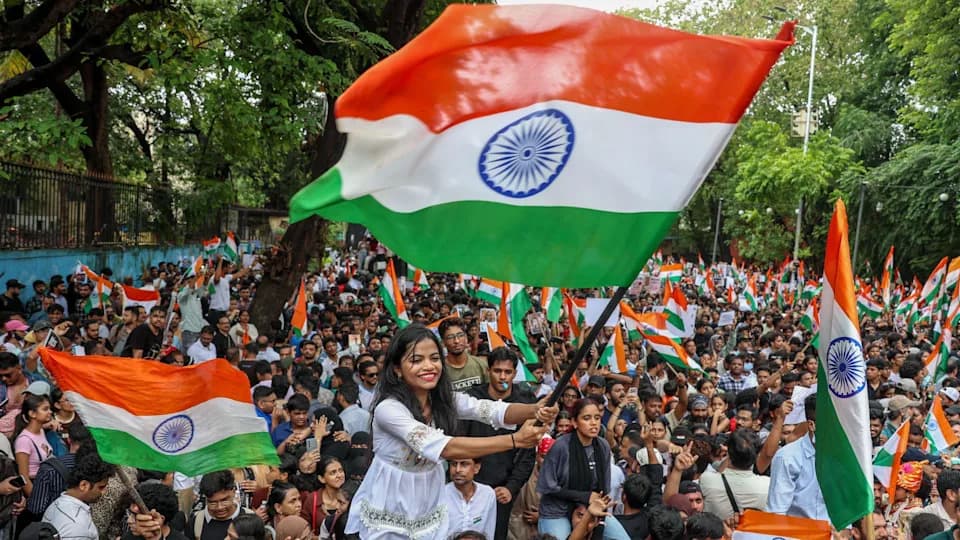
Television reporter Dev Kotak was beaten by protesters in New Delhi after crowds chanted "godi (lapdog) media," underscoring deep public mistrust of mainstream TV outlets. The incident, captured on mobile phones, reflects broader anger fueled by a police crackdown on demonstrators and long-running concerns about media bias since 2014. Reporters Without Borders reports India’s press freedom ranking fell to 157th in 2026, while protest leaders call for restraint and independent digital media gain audiences.
‘Godi Media’ Backlash: Times Now Reporter Beaten Amid Escalating Youth Protests in New Delhi
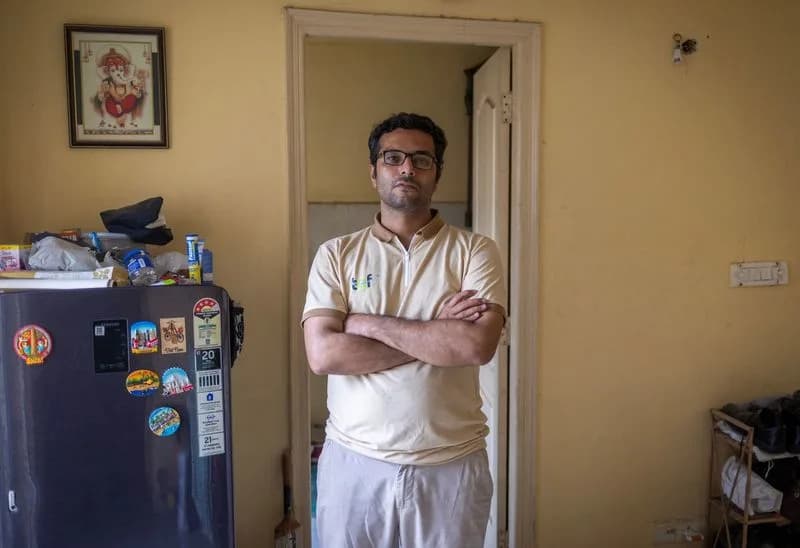
Dev Kotak, a reporter with the television channel Times Now, who was assaulted at the ongoing protest site of Cockroach Janata Party (CJP), poses for a picture inside his house in Noida, India, July 23, 2026. REUTERS/Adnan Abidi
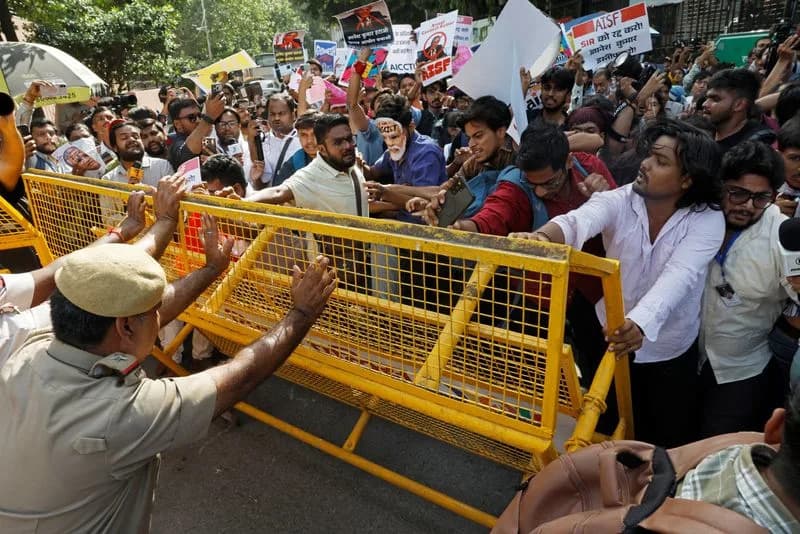
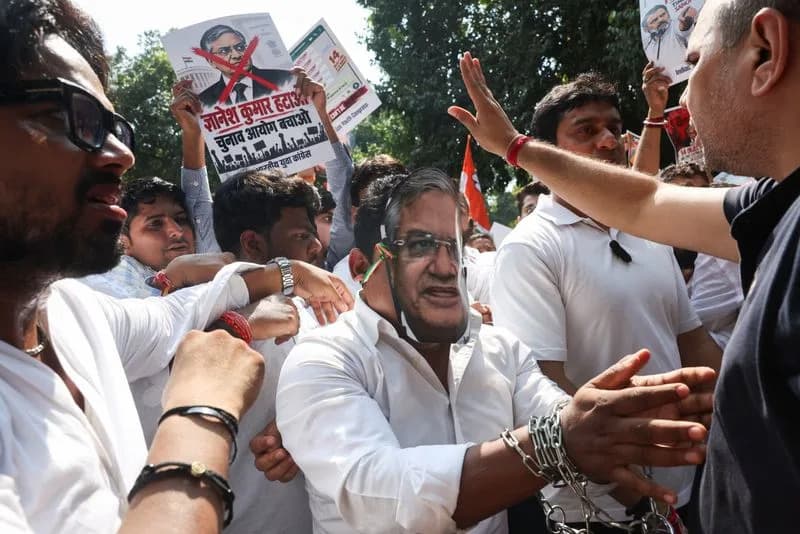
NEW DELHI, July 24 (Reuters) — Television reporter Dev Kotak was assaulted by a crowd while covering a large youth-led demonstration in New Delhi after protesters chanted "godi (lapdog) media," a term used to accuse mainstream outlets of pro-government bias. Mobile phone footage of the attack on Kotak, who works for Times Now, circulated widely on social media.
Kotak, 36, said he had planned a brief live report but was confronted and beaten by dozens of demonstrators. "There were slaps, kicks, punches and water bottles being thrown. I was very scared and feared for my life; I just wanted to get out alive," he said, adding that the crowd accused reporters of not showing the protesters' side of the story.
The attack was one of the more extreme incidents at the protests, which gained momentum last week. Camera crews and journalists from nearly all major Indian television channels have been heckled and abused, reflecting a broader and growing mistrust of mainstream broadcast news.
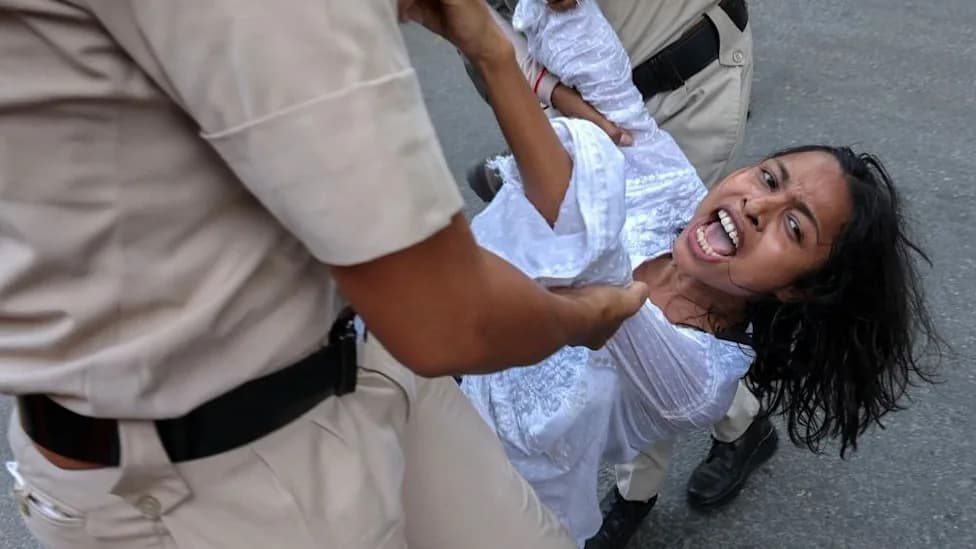
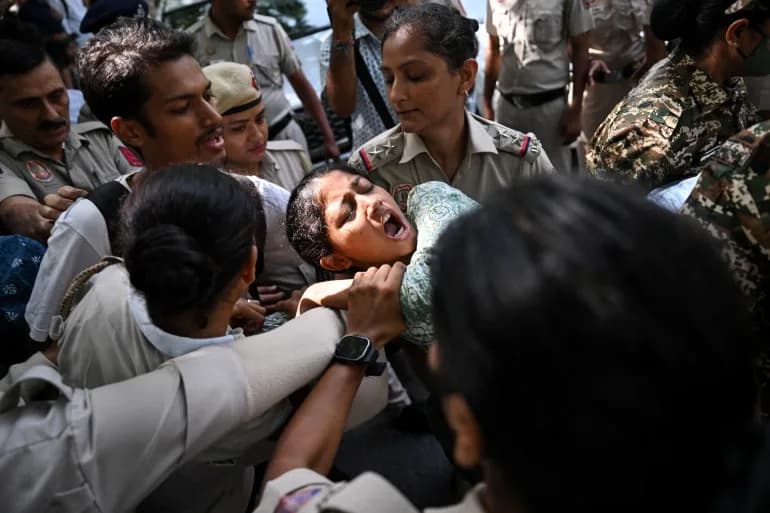
Tensions intensified after a police crackdown on tens of thousands of demonstrators who marched on parliament on Monday, an action that left many students injured. Kotak said he had reported injuries sustained on both sides but that the crowd remained angry and vocal.
Press Freedom Concerns and Political Context
Observers and media-watch groups link the hostility to longer-term concerns about press freedom in India since Prime Minister Narendra Modi rose to political dominance after 2014. Reporters Without Borders says India’s World Press Freedom Index dropped from 122nd in 2010 to 157th out of 180 countries in 2026, citing violence against journalists, concentrated media ownership aligned with the government, and rising political polarisation.
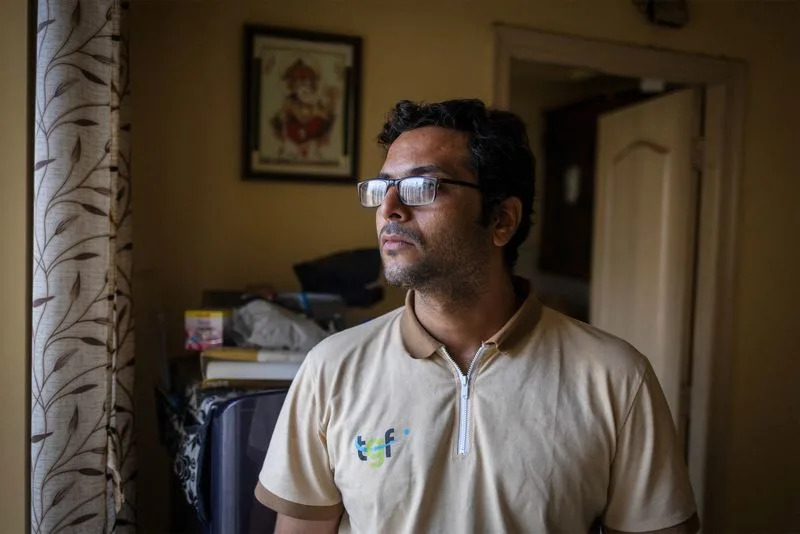
Dev Kotak, a reporter with the television channel Times Now, who was assaulted at the ongoing protest site of Cockroach Janata Party (CJP), poses for a picture inside his house in Noida, India, July 23, 2026. REUTERS/Adnan Abidi
"The godi-media is anti democracy, anti-people, anti-opposition," said veteran journalist Ravish Kumar, who is widely credited with popularising the term. "They vilify any opposition, label critics as agents of foreign governments, and barely ever feature voices of political parties from opposition."
The Editors Guild of India condemned attacks on journalists while also warning against flawed and biased reporting: "Flawed and biased reporting not only makes a bad situation worse, but has more serious and longer-lasting consequences which impact the fabric of our society and also weaken the media's position as one of the key pillars of a functional democracy."
Calls For Restraint And Shifts In Media Consumption
Protest organisers — who say the movement is led by the Cockroach Janta Party — said they have repeatedly urged demonstrators not to mistreat reporters. "We have urged and we keep urging protesters to not misbehave with godi-media," said spokesperson Deepak Baliyan. "Let them do their job. We want to make sure that no one gets mistreated here."
Several independent media figures say distrust of mainstream television has driven audiences to alternative digital platforms. Manisha Pande of Newslaundry said viewers' disillusionment has built over years of partisan prime-time coverage, while former Times Now journalist Akash Banerjee said the perceived failure of traditional outlets to question power helped spur the growth of independent digital channels and YouTube commentary.
Analysts warn, however, that the growing anger toward reporters carries dangers of its own: when journalists are seen as symbols of a biased media establishment, the space for independent reporting and civic debate can shrink further.
(Reporting by Saurabh Sharma and Tora Agarwala; Writing by Aftab Ahmed; Editing by Krishna N. Das and Raju Gopalakrishnan)
Help us improve.