Housing Secretary Angela Rayner told the BBC she does not plan to introduce rent controls in England, saying the Renters' Rights Act (effective May) is already influencing the market. She noted that past controls in parts of the UK have not necessarily reduced rents and pointed to Scotland's route of localised rent-control powers by 2027. Rayner also warned the government’s target of 1.5 million new homes by 2029 is harder to hit due to rising construction costs but remains committed to it.
Angela Rayner Rules Out Rent Controls in England, Points to Renters' Rights Act
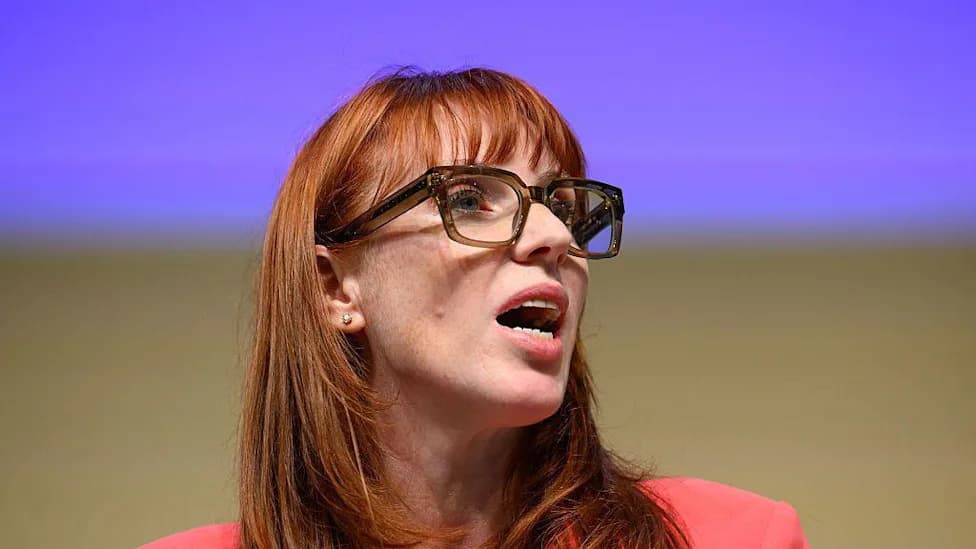
Angela Rayner rules out rent controls in England
Housing Secretary Angela Rayner has told the BBC she is not considering introducing rent controls in England, saying recent reforms under the Renters' Rights Act are already having a noticeable effect on the rental market.
Rayner Backs Market Reforms Over Controls
Rayner said Prime Minister Andy Burnham is not pursuing rent controls and argued that measures introduced by the Renters' Rights Act, which came into force in May, are giving renters more power and stability.
"I don't think that rent freezes, rent controls, is a way forward at the moment," Rayner told BBC Breakfast. "Three years ago, Andy called for that because there was a significant crisis in the rental market. We implemented between then the Renters' Rights Act which is giving renters more power and control."
What Other Parts Of The UK Are Doing
Temporary rent controls were introduced in Scotland in October 2022 but expired last year. New Scottish legislation will allow ministers at Holyrood to designate specific areas as rent control zones — a framework expected to be in place by 2027 — with councils able to cap some rent increases at up to 6%.
Green Party leader Zack Polanski has urged a nationwide cap on rents in England, while London Mayor Sadiq Khan has long called for measures to limit rent growth. Proponents argue caps help households on tight budgets; landlord groups warn that strict controls can discourage letting and worsen housing shortages.
What The Renters' Rights Act Does
The Renters' Rights Act aims to increase stability for roughly 11 million private renters in England. Key measures include banning fixed-term tenancies in their previous form, making evictions more difficult without valid grounds, and restricting rent increases to once a year pegged to the property's open market rent.
Housing Targets And Wider Measures
Rayner acknowledged that the government's target to build 1.5 million new homes by the end of the parliament in 2029 is now more challenging to meet, citing higher construction costs, but said she remains committed to the goal: "1.5 million homes is a difficult target. It was when I made the target, but I'm going to keep the target, and I'm not going to be defeated."
When he campaigned to succeed Sir Keir Starmer as Labour leader and prime minister, Andy Burnham pledged the biggest programme of council house building in decades and has discussed reforms to property taxes such as stamp duty and council tax, though detailed plans have not been published.
In his first week in office, the prime minister announced several cost-of-living measures intended to give households breathing space, including cutting VAT on household energy bills from October and restoring a £2 bus fare cap in England (outside London) from January 2027.
Bottom line: The UK government, as represented by Angela Rayner, prefers regulatory reform through the Renters' Rights Act and housebuilding targets to broad rent controls for England, while devolved administrations such as Scotland pursue more localised control powers.
Help us improve.