Dominick Occhicone, an 80-year-old Florida death-row inmate with serious health problems, is scheduled for execution on July 28, prompting renewed debate over whether executing frail, elderly prisoners is constitutional or an affront to dignity. Florida argues there is no national consensus to bar such executions and cites retribution and deterrence; opponents call the practice "cruel and unusual." The trend of aging death-row populations — driven by decades-long appeals — has increased the number of elderly inmates nationwide and intensified legal and moral questions about the purpose of capital punishment.
Florida Plans To Execute An 80-Year-Old: Justice, Dignity Or Cruelty?
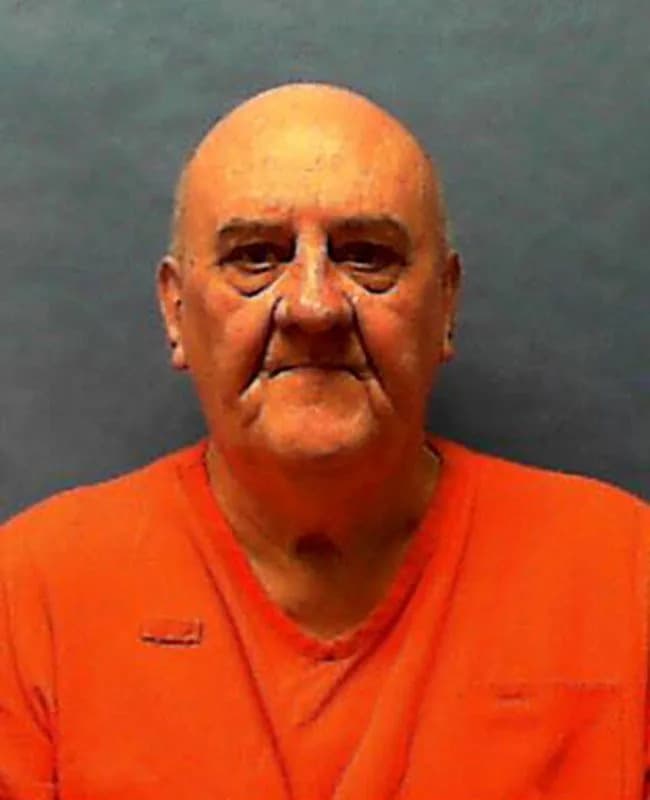
Dominick Occhicone is pictured. On July 28, the 80-year-old is set to become the oldest inmate ever executed in Florida and the second-oldest inmate executed in the U.S.
At 80, Florida death-row inmate Dominick Occhicone faces a scheduled execution by lethal injection on July 28 despite extensive health problems, including heart disease, reduced kidney function, an enlarged prostate, arthritis and degenerative disc disease, his lawyers say. Court filings describe an inmate with impaired hearing, vision and mobility, who requires assistance to shower and climb stairs.
A Case That Reignites A National Debate
Occhicone was convicted in the 1986 killing of his ex-fiancée’s mother. If carried out, his execution would be the oldest in Florida history and the second-oldest in U.S. history. His legal team argues that executing a frail octogenarian would be unconstitutional, describing it as "cruel and unusual" and a "manifest injustice which shocks the conscience."
"This is cruel and unusual punishment and an affront to the conscience of everyone involved," said Grace Hannah, executive director of Floridians For Alternatives to the Death Penalty.
State Response
The state of Florida disputes those claims. In court filings, the Florida Attorney General’s Office said Occhicone has not demonstrated a national consensus against executing elderly prisoners and argued that carrying out his sentence would satisfy both retributive and deterrent aims. The state also points out that the Florida Legislature has not exempted older people from capital punishment.
Rising Number Of Older Inmates On Death Row
Nationwide, the population of older people on death row has grown as lengthy appeals and procedural delays extend the time between sentence and execution. A USA TODAY analysis of corrections data and figures from the Death Penalty Information Center found that of roughly 1,900 people on death row in the U.S., at least 470 are older than 64 — about 25%.
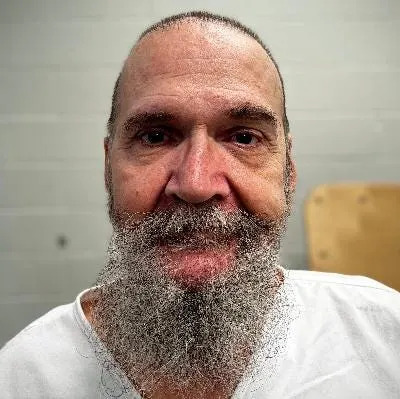
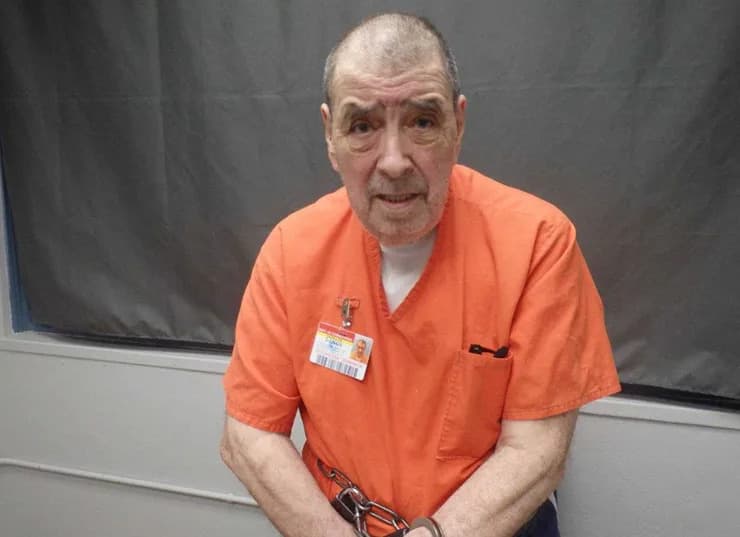
Ralph Menzies is pictured in August 2024.
- Average Age Rise: The average age on death row reached 54 in 2023, up from 39 in 2001.
- Executions Of Older Prisoners: In 2025 so far, six states executed 23 people aged 62 or older; 16 of those executions were in Florida.
Examples And Legal Limits
Several high-profile cases illustrate the dilemma. Some condemned prisoners die of natural causes while awaiting execution; others have been spared when courts found dementia or incompetence made execution impermissible. Utah recently halted a firing-squad execution amid concerns the inmate's dementia prevented comprehension of the punishment.
The U.S. Supreme Court currently recognizes three categorical exemptions from execution: intellectual disability, incompetence (mental incapacity to understand punishment), and crimes committed as juveniles. Age alone, without a finding of incompetence or severe cognitive impairment, is not a categorical bar.
Florida's Recent Activity
Florida has accelerated executions under Governor Ron DeSantis, who says meeting with victims' families reinforces his determination to carry out old death sentences. This year the state set and broke its record for oldest executed prisoner twice when it executed 74-year-olds Dusty Ray Spencer (June 25) and Dennis Michael Sochor (July 14). If Occhicone’s execution proceeds, he would exceed those ages.
Florida also plans to execute 68-year-old former officer James Duckett on July 28 for the 1987 kidnapping and murder of an 11-year-old girl — which, if carried out, would mark the first time in more than six decades the state executed two people on the same day.
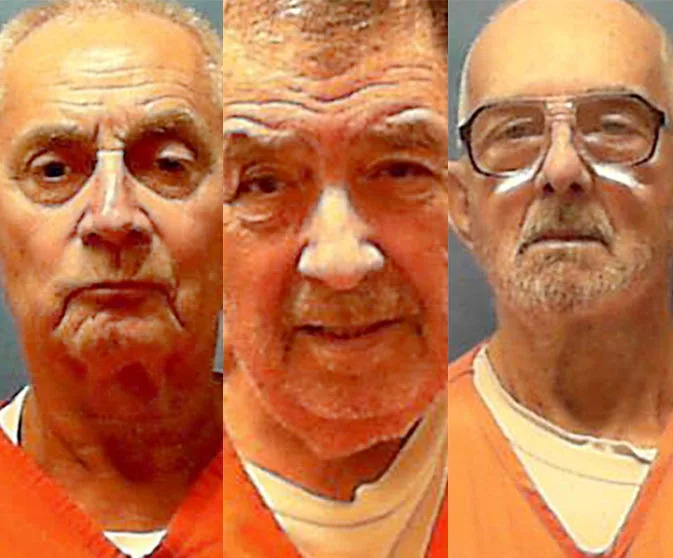
A combination image shows elderly Florida inmates being scheduled to be executed in less than a month. From left: Dennis Michael Sochor, Dominick Occhicone and Dusty Ray Spencer.
Victims' Families, Costs And Questions Of Purpose
Families of victims often say the long appeals process prolongs their pain and delays closure. Courts and commentators have raised broader questions about whether decades-long confinement and the advanced age of many condemned inmates undermine the penological purposes of capital punishment.
Occhicone’s incarceration alone has cost Florida taxpayers roughly $850,000, not including legal fees, according to local reporting. Proponents of executions argue the state must enforce sentences to provide justice to victims' families; opponents say executing infirm elderly inmates offers little retribution and is an affront to dignity.
What Comes Next
The Florida Supreme Court, in decisions that recently upheld other elderly executions, has rejected a categorical exemption for advanced age. Legal challenges in Occhicone’s case remain pending. The wider debate will likely continue in courts and legislatures as the population of elderly death-row inmates grows.
Reporting contributed by USA TODAY journalists. Names, dates and statistics in this article are drawn from court filings, state records and reporting cited in the original coverage.
Help us improve.