Los Angeles expects a notable rise in its Point-In-Time homeless count — possibly up to 8% — despite about $3 billion a year in city and county spending. Investigations and audits have raised questions about LAHSA, the withdrawal of roughly $200 million in federal funds, and weak financial oversight. Experts warn that Housing First and temporary indoor placements have limits without integrated treatment for severe mental-health and substance-use disorders.
After Promises, LA Sees Homelessness Spike — $3 Billion Spent, Results Fall Short
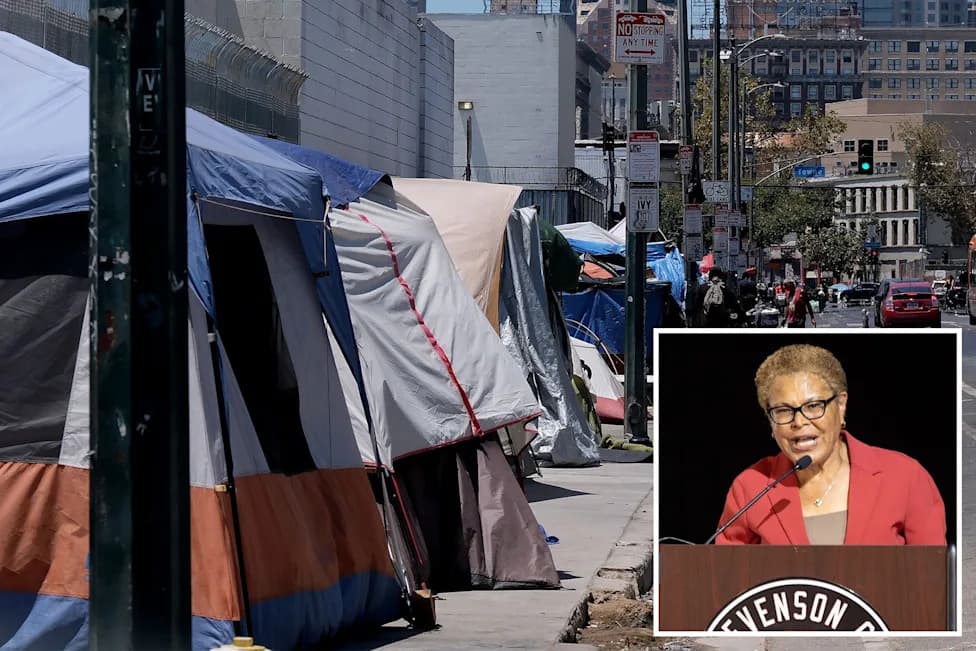
Mayor Karen Bass campaigned on reducing homelessness, but Los Angeles now faces a projected uptick in its annual Point-In-Time count. Officials expect a sharp rise — as much as 8% in the street count — a development that could have influenced the June 2 election had the data been available earlier.

Karen Bass told us throughout the primary election campaign that the best reason to give her another four years as mayor was that she brought down homelessness. Getty Images for Los Angeles Cleantech Incubator (LACI)
What the Numbers Say
The city and county together spend roughly $3 billion a year on homelessness programs, yet visible encampments, open drug use, fires in vacant buildings, and declining neighborhood quality of life persist. The expected Point-In-Time increase follows two years of modest declines and highlights the limits of short-term interventions.
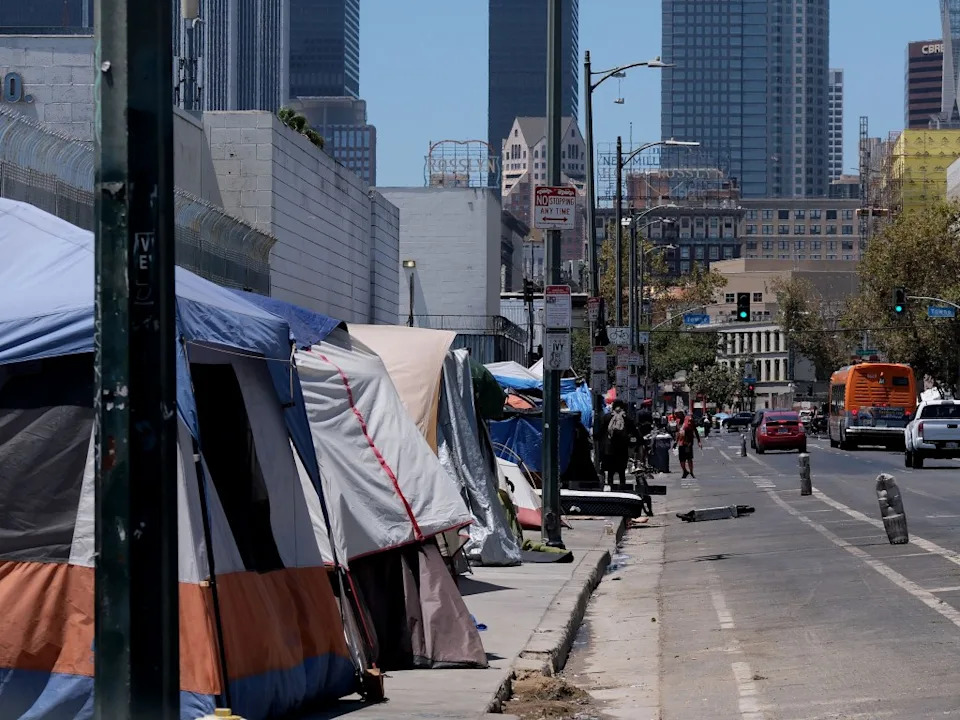
Los Angeles' Point-in-Time homeless count is expected to show a sharp increase, per the latest report due Friday. Andy Johnstone for CA Post
Funding, Oversight and Institutional Problems
Much criticism has focused on how public dollars are managed. The Los Angeles Homeless Services Authority (LAHSA) was largely distanced by the county in 2025, and federal officials withdrew about $200 million amid an investigation into alleged financial mismanagement, conflicts of interest, and weak contract oversight. State audits have also flagged poor fund tracking, very high per-unit costs for permanent supportive housing, and disappointing provider outcomes.
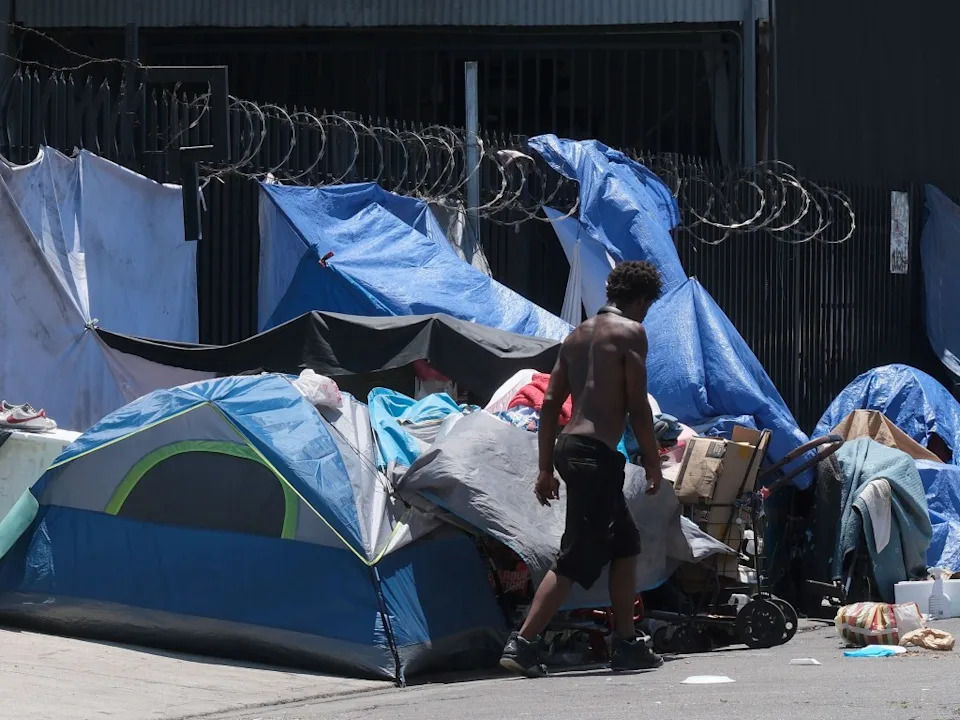
They perpetually shove taxpayers' money at programs that fail. Andy Johnstone for CA Post
Counting the Uncounted
The Point-In-Time count is a volunteer-driven, annual snapshot and has long been questioned for accuracy. RAND research has documented significant undercounts in dense areas such as Hollywood, Skid Row, and Venice, suggesting official totals may understate the scope of street homelessness.
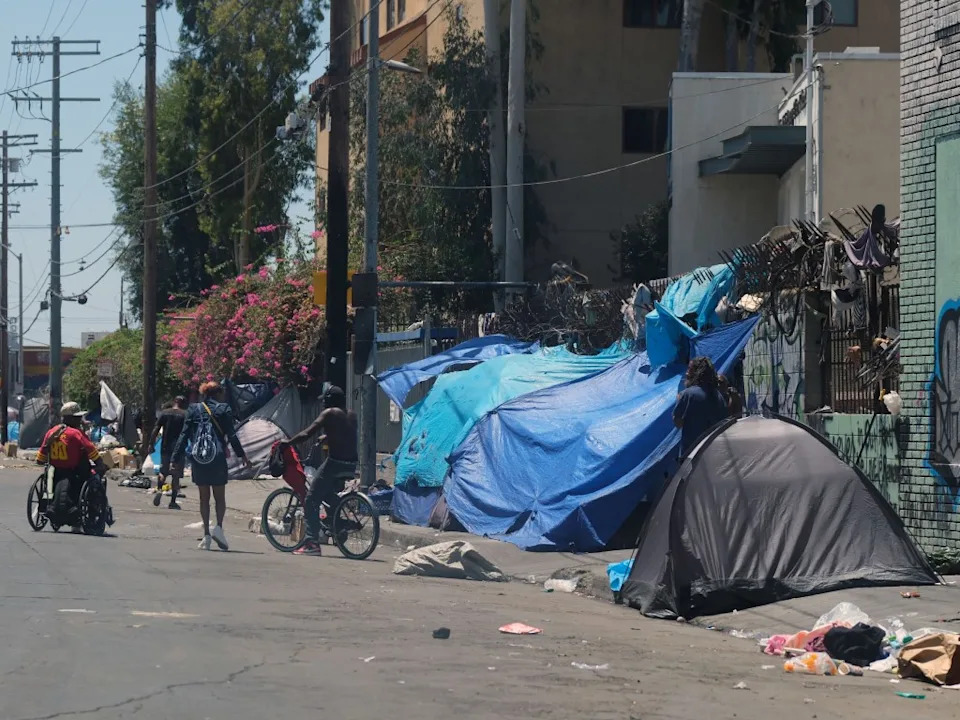
Government agencies and bloated nonprofits, paid to "help" the homeless with Band-Aids like clean shirts, have a huge financial incentive to keep the sidewalks full. Andy Johnstone for CA Post
Policy Debate: Housing First, Treatment, and Temporary Moves Indoors
Mayor Bass highlights the Inside Safe initiative, which has moved thousands indoors temporarily. Critics say such programs — and the broader Housing First approach that places people into housing without preconditions — can fall short when long-term substance use and severe mental-health disorders are not addressed with comprehensive treatment. Without integrated treatment pathways, some people cycle between shelters and the street.
"Too much spending is going to short-term fixes and entrenched systems that don’t produce durable outcomes," critics say.
What Needs To Change
Observers and auditors call for stronger oversight, better tracking of public funds, lower per-unit construction costs, and expanded treatment-focused services that pair housing with mental-health and substance-use care. Many argue that accountability, measurable outcomes, and a reallocation of funds toward evidence-based strategies are essential to reverse the trend.
Richie Greenberg is a political commentator based in San Francisco.
Help us improve.