American Airlines’ new employee platform Me@Work compiles a year of employee data to produce performance scores, prompting objections from flight attendants and the APFA over workplace surveillance and lack of transparency. The union argues many measured metrics — from passenger surveys to Microsoft Teams usage — can reflect factors beyond a crew’s control and demands rights to view and correct data. The dispute highlights California privacy protections under the CCPA/CPRA and comes as American reports higher revenue but sharply reduced profits amid soaring fuel costs and a trimmed earnings outlook.
American Airlines’ Me@Work Score Sparks Privacy Row as Flight Attendants Demand Transparency
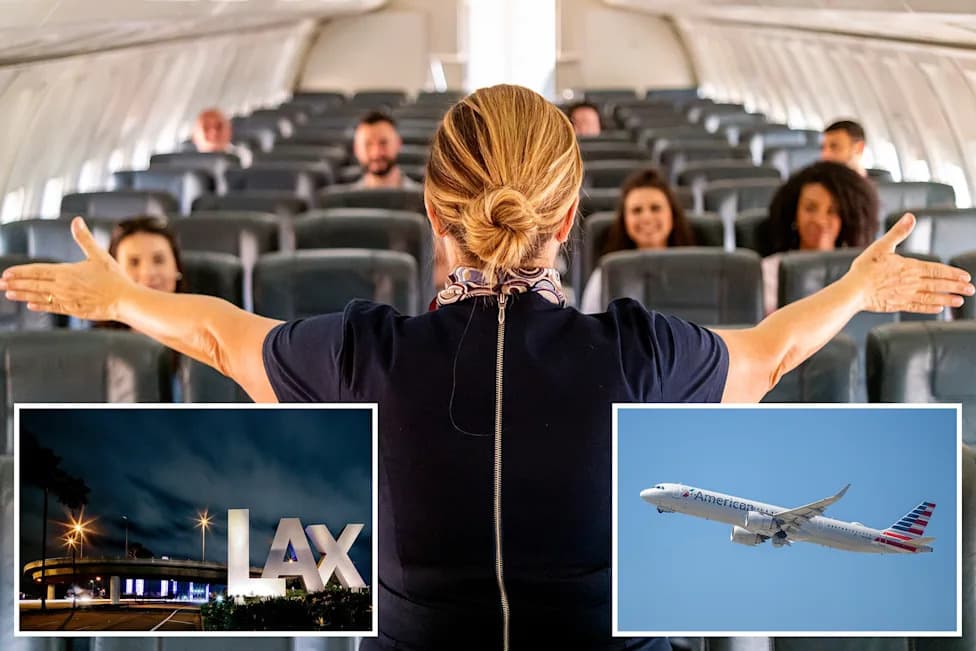
American Airlines is facing mounting criticism after introducing a new employee scoring platform called Me@Work, which flight attendants and their union say compiles a year’s worth of workplace data to produce individual performance scores. Critics contend the system amounts to invasive workplace monitoring — tracking everything from passenger feedback to Microsoft Teams activity — and are urging greater transparency and employee rights to review and correct the information used.
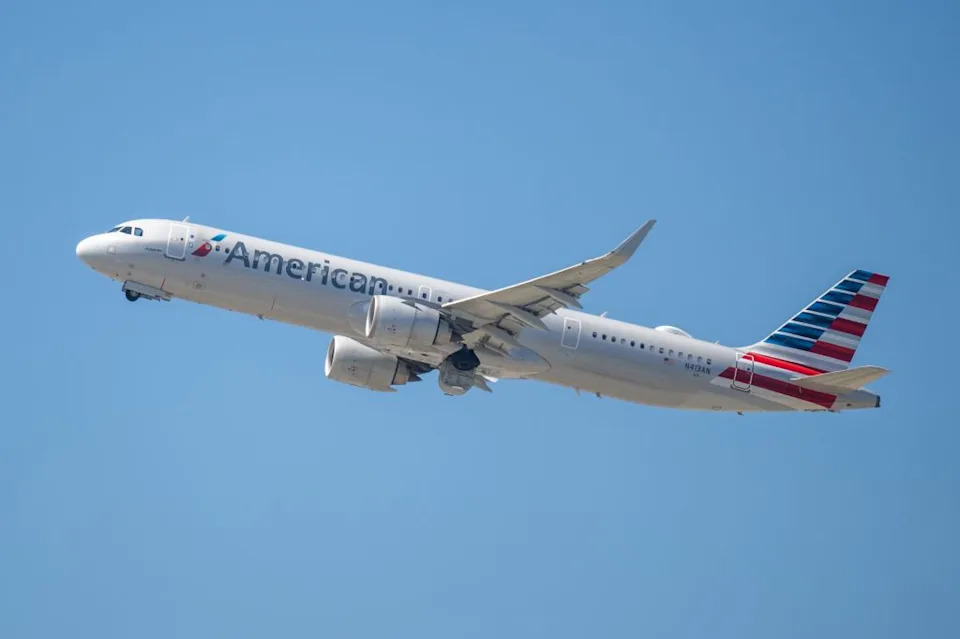
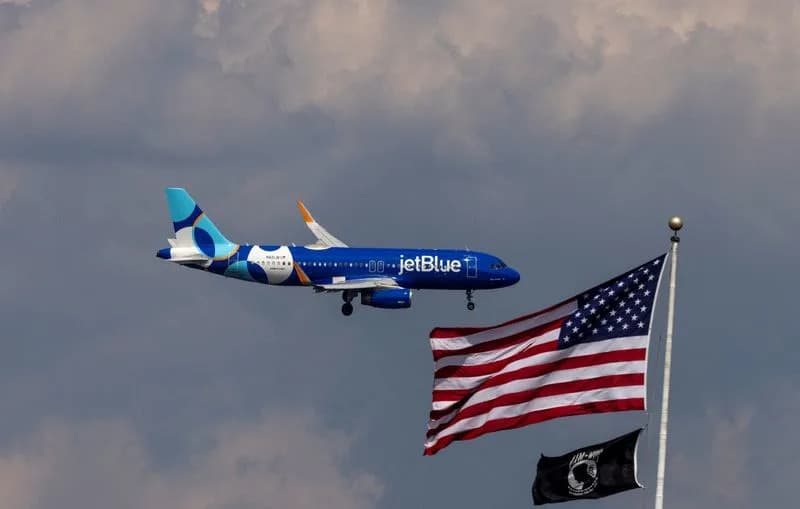
American Airlines is facing backlash after rolling out a new employee scoring system that critics say keeps tabs on flight attendants' every move — from passenger reviews to their activity on Microsoft Teams — igniting accusations of workplace surveillance and putting California's tough privacy laws in the spotlight. Weston Hancock/SOPA Images/Shutterstock
What Me@Work Tracks
According to the Association of Professional Flight Attendants (APFA), Me@Work aggregates a broad set of metrics before calculating scores: passenger satisfaction surveys, attendance records, operational performance, delays attributed to flight-attendant-related issues, compliance with company procedures, Microsoft Teams usage, electronic flight bag compliance, and the timeliness of incident reporting.
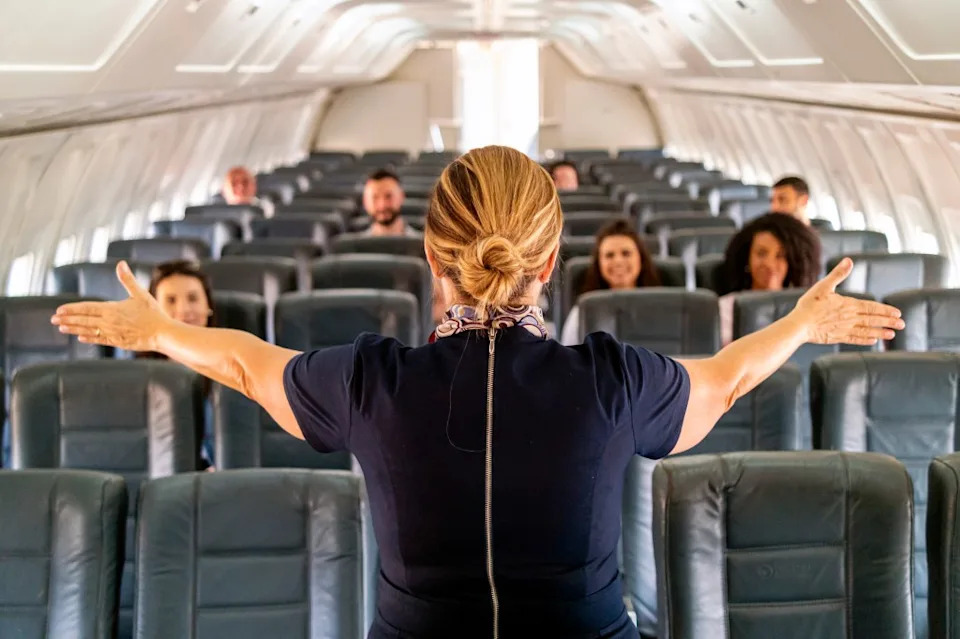
The Me@Work program, launched in April, tracks a year's worth of employee data before generating individual scores, according to the Association of Professional Flight Attendants (APFA), the union representing the carrier's flight attendants. Getty Images
Union Concerns And Legal Context
Flight attendants argue many of those metrics can be affected by factors outside their control — such as flight delays, poor Wi‑Fi, catering problems or dirty cabins — and worry system-wide disruptions could unfairly lower individual ratings. The APFA is demanding full transparency about how scores are calculated, what raw data feeds into them, and the ability for employees to review, correct or contest any information that becomes part of their record.

Flight attendants argue many of those measurements are influenced by factors they can't control. FG/Bauergriffin.com
“Under the law, workers have the right to know when employers are monitoring them, what information is being collected, and how that information is being used. Employees must also have access to their personal data and the ability to request that inaccurate information be corrected or deleted,” the union wrote in an internal memo.
The dispute has drawn additional scrutiny in California, where the California Consumer Privacy Act (CCPA) and California Privacy Rights Act (CPRA) give employees rights to know what personal data is collected, how it is used, and to access and request corrections to that data. APFA says Me@Work shows management compiled flight-attendant data without giving employees the chance to view or challenge it.
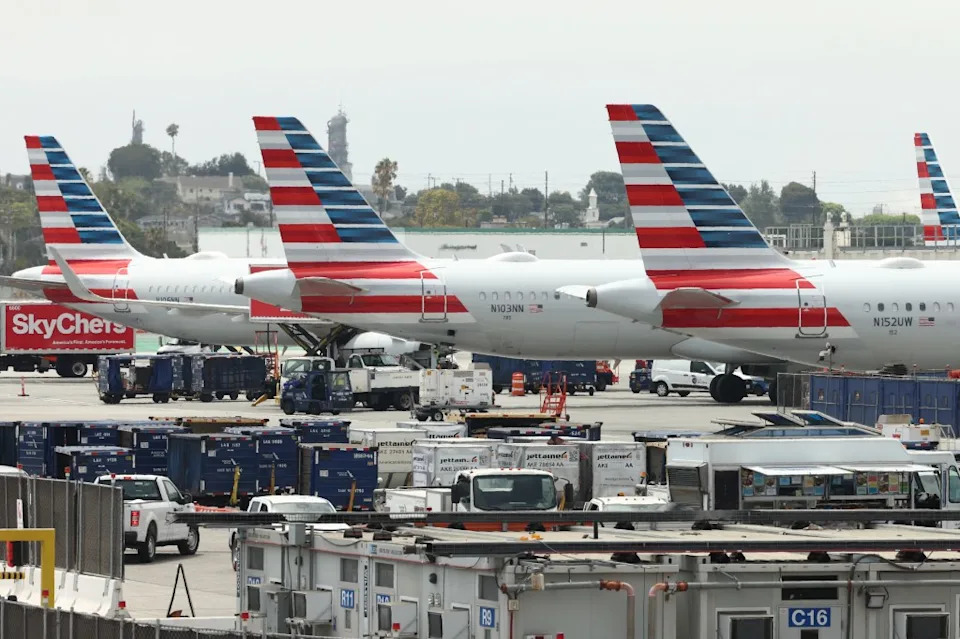
APFA said it is seeking additional details about how Me@Work operates and insists flight attendants must be able to review and contest performance-related information tied to their records. Jonathan Alcorn for CA Post
Company Position And Broader Business Context
American Airlines has told the union the platform is intended to help employees monitor their own performance and professional development rather than serve as a disciplinary tool, and the carrier may argue it has issued required notices and remains in compliance with applicable privacy rules.
The controversy arrives as American confronts mounting costs and a squeeze on profits. In its most recent quarter the carrier reported revenue of $16.74 billion (up 16.3% year over year), while net income plunged 88% to $71 million. Operating margin fell to 2.7% from 7.9% a year earlier. Premium ticket sales rose 19% and corporate bookings increased 26%, but surging jet fuel costs added roughly $2.2 billion to quarterly expenses after fuel spending jumped 83%. Management trimmed its full‑year earnings outlook to a range centered on break‑even (‑$0.65 to $0.65 per share), and the stock fell roughly 8% on the weaker forecast.
What’s Next
APFA says it is seeking more details about Me@Work’s algorithms, data sources and governance, and insists on the ability for flight attendants to inspect and challenge the data tied to their personnel files. Regulators in privacy‑sensitive jurisdictions such as California could weigh in if the union’s claims of insufficient notice or access prove valid.
Help us improve.