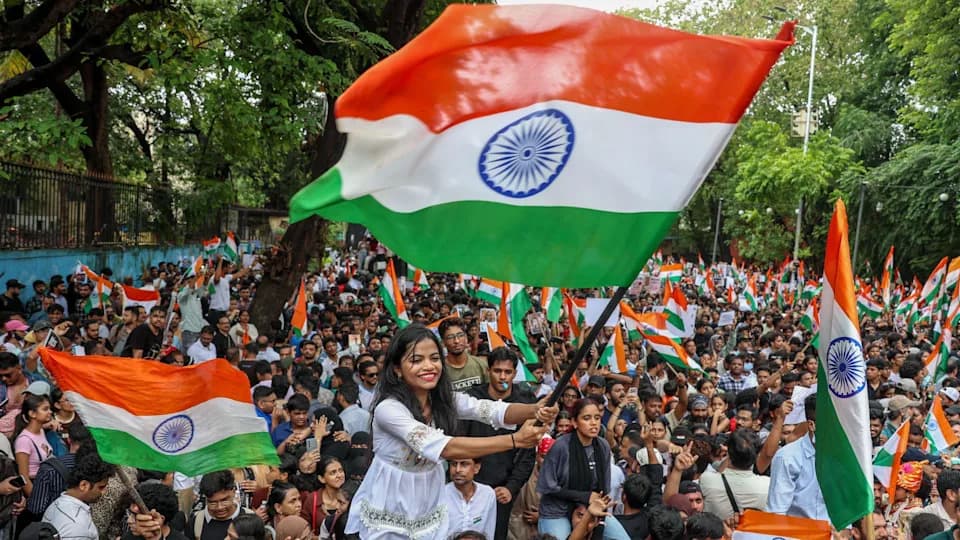
Sonam Wangchuk ended a 26-day hunger strike he began on 28 June to back the Cockroach Janta Party protests against alleged exam paper leaks and education-system failures. Police had removed him from the Jantar Mantar protest site citing a court order and poor health; Wangchuk said he lost at least 10 lb. The movement, driven largely by young people, demands the resignation of Education Minister Dharmendra Pradhan and broader accountability, while the government promises fast-track legal action and has pledged punitive measures for those involved in the leaks.
Indian Activist Sonam Wangchuk Ends 26-Day Hunger Strike Amid Nationwide 'Cockroach' Protests
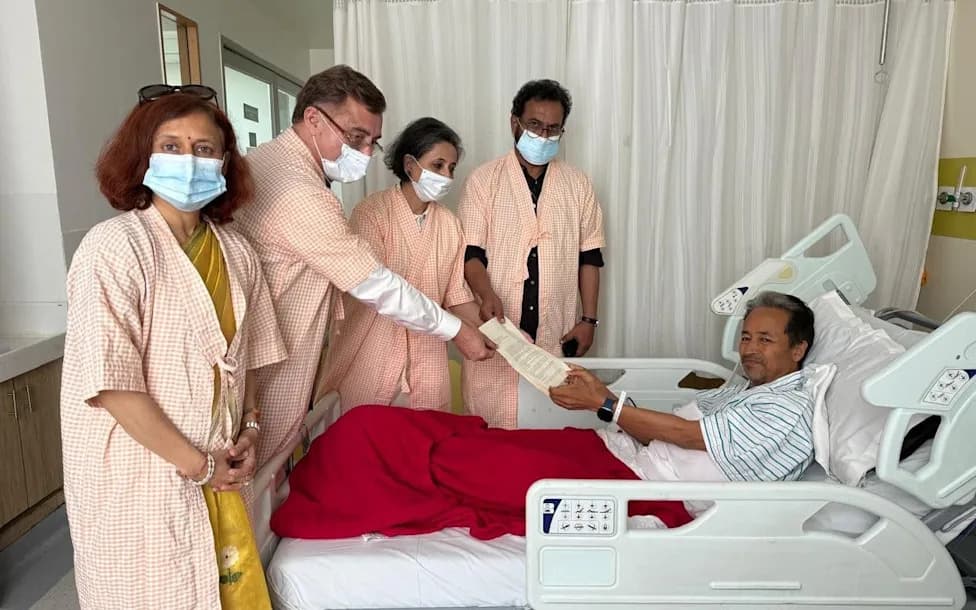
Sonam Wangchuk, posted an image from hospital where he was taken on Saturday - X
Sonam Wangchuk, the 59-year-old education activist, announced on Friday that he has ended a 26-day hunger strike he started on 28 June to support the nationwide Cockroach Janta Party (CJP) demonstrations. He said he halted the strike after "a long negotiation on various conditions" and to avert "possible violence in the country."
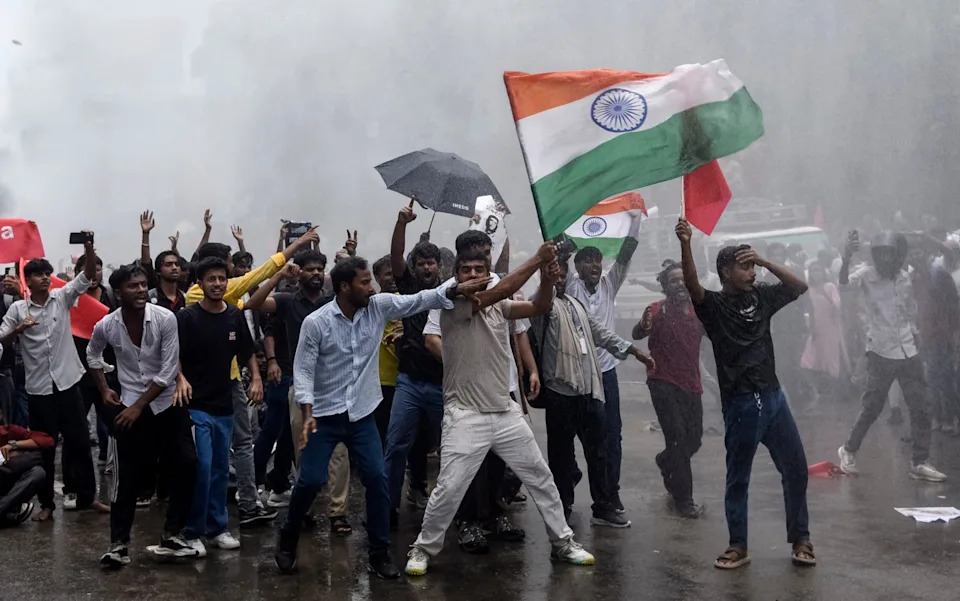
The exam paper leaks have inspired large protests across India - Getty Images
Background
Wangchuk launched the protest to pressure the government over alleged exam paper leaks and broader education reforms. One of his central demands was the resignation of Education Minister Dharmendra Pradhan after leaked test materials forced about two million students to retake examinations. Wangchuk said he had lost at least 10 lb (about 4.5 kg) during the strike.
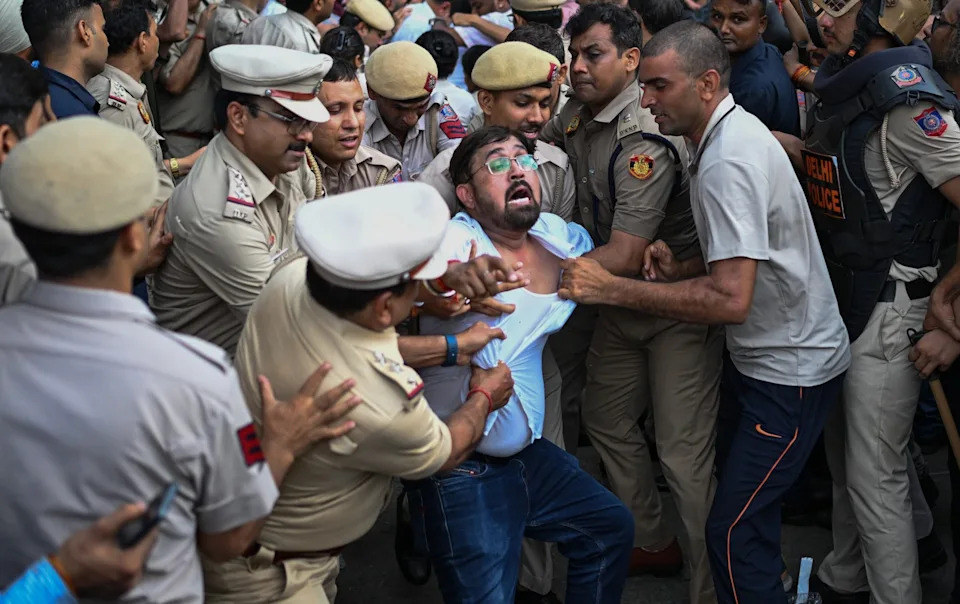
Police in New Delhi have been accused of heavy-handed tactics - Getty Images
What Happened At Jantar Mantar
Last weekend Wangchuk's wife said police had forcibly removed him from the protest camp at New Delhi's Jantar Mantar and taken him to hospital against his will. Authorities said they acted under a court order and cited Wangchuk's "deteriorating health condition." His withdrawal from the hunger strike coincides with thousands of pro-CJP demonstrators gathering in New Delhi and in other Indian cities.
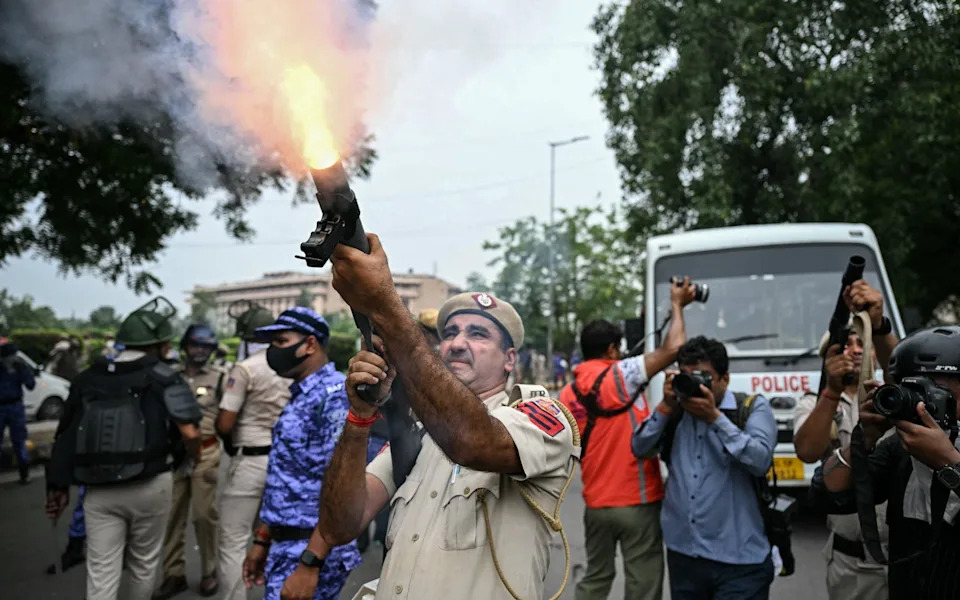
A police officer fires tear gas canisters towards protesters in New Delhi on Monday - Getty Images
Movement And Demands
What began as a satirical online movement — the Cockroach Janta Party — has grown into a major protest force, especially among young people. The CJP has millions of social media followers and has broadened its platform to include unemployment, opportunities for youth and complaints about what supporters call Prime Minister Narendra Modi's increasingly authoritarian style of governance. The group's founder, Abhijeet Dipke, has also pledged to begin a hunger strike in solidarity.
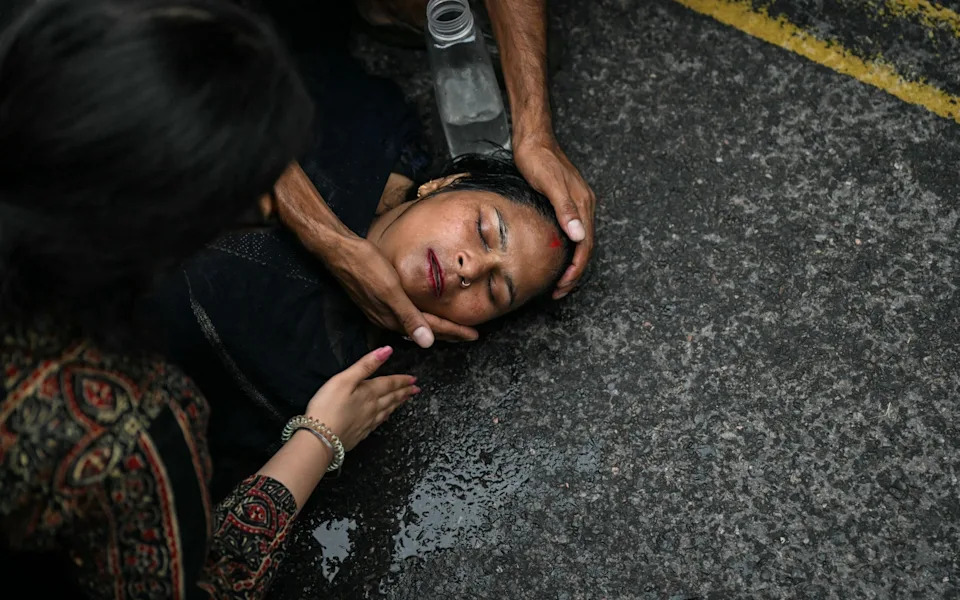
Protesters help a woman who fainted during a demonstration in the capital on Monday - Getty Images
Protests And Police Response
Crowds spilled onto the streets outside Jantar Mantar, clashing with riot police. Officers in New Delhi fired tear gas and used batons as some demonstrators attempted to march toward parliament. Human Rights Watch urged the Indian government to investigate alleged "unnecessary and excessive use of force," to allow peaceful protests and to stop suspending mobile internet services, which the group said puts people at added risk.
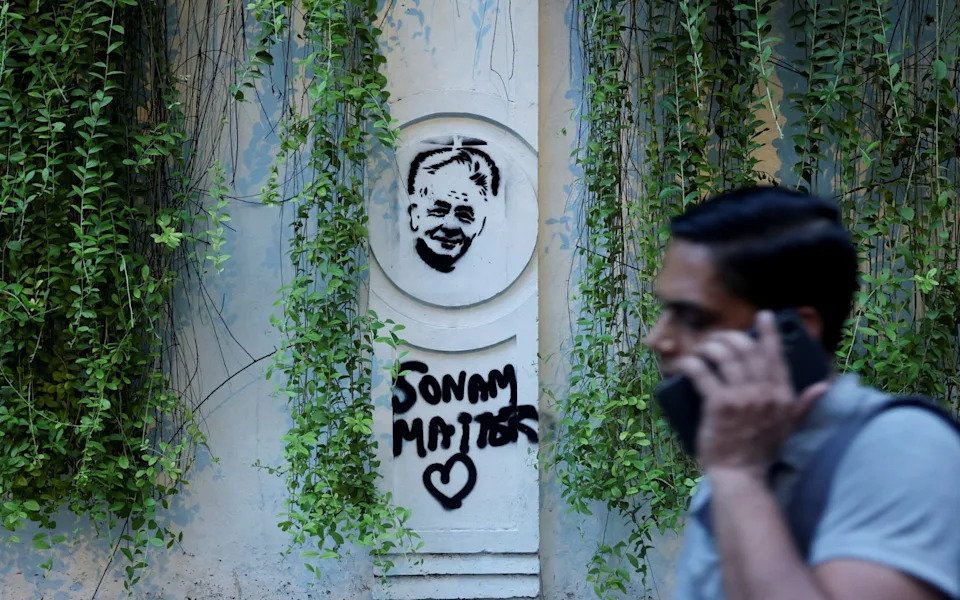
Mr Wangchuk has inspired protests over education reforms but also the economy and Modi's authoritarianism - Reuters
Government Reaction
Prime Minister Narendra Modi vowed "stringent punishment" for any officials involved in leaking exam papers. He wrote on social media that "nothing is more important than the welfare and future of our youth" and warned that "those who try to harm the future of our youth will not be spared." His statements did not directly mention Education Minister Dharmendra Pradhan, whose resignation remains a central demand of protesters.
The government announced plans to fast-track court proceedings against those implicated in the leaks and said the cabinet would discuss the matter. A late-night notification also transferred a senior education ministry bureaucrat to another department as part of a wider administrative reshuffle.
Key Facts: The exam irregularities include a leaked medical entrance paper that forced many students to retake tests and problems with an online marking system.
Wangchuk's decision to end the hunger strike may calm tensions temporarily, but the protests have crystallised wider frustration over education, employment prospects and governance. The CJP has vowed to continue pushing for systemic reforms and accountability.
Help us improve.