Quick Take: In mid-July Taco Bell moved to remove shredded iceberg lettuce after health officials linked a cyclosporiasis outbreak to the product. The chain coordinated rapid removals, rerouted supplies and ordered staff to discard suspect produce. Federal agencies report thousands of cases and more than 1,600 people who ate at Taco Bell tested positive; foot traffic and online sentiment turned decisively negative as investigations continued.
Inside Taco Bell’s Rush To Contain Lettuce-Linked Cyclosporiasis Outbreak And Protect The Brand
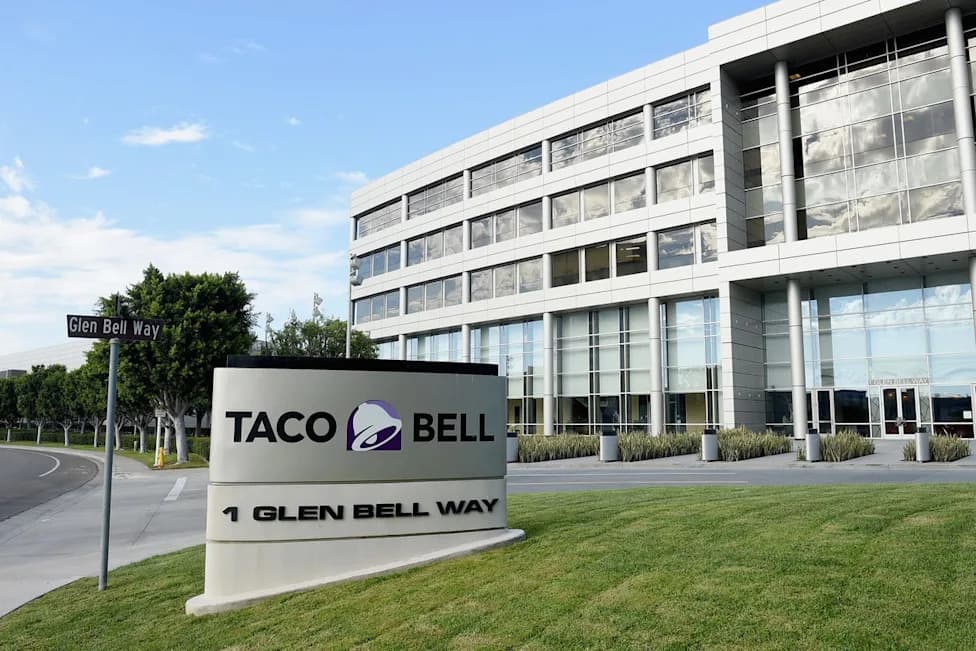
Inside the Taco Bell offices during the mad scramble to stop the ‘diarrhea’ lettuce outbreak and save the brand
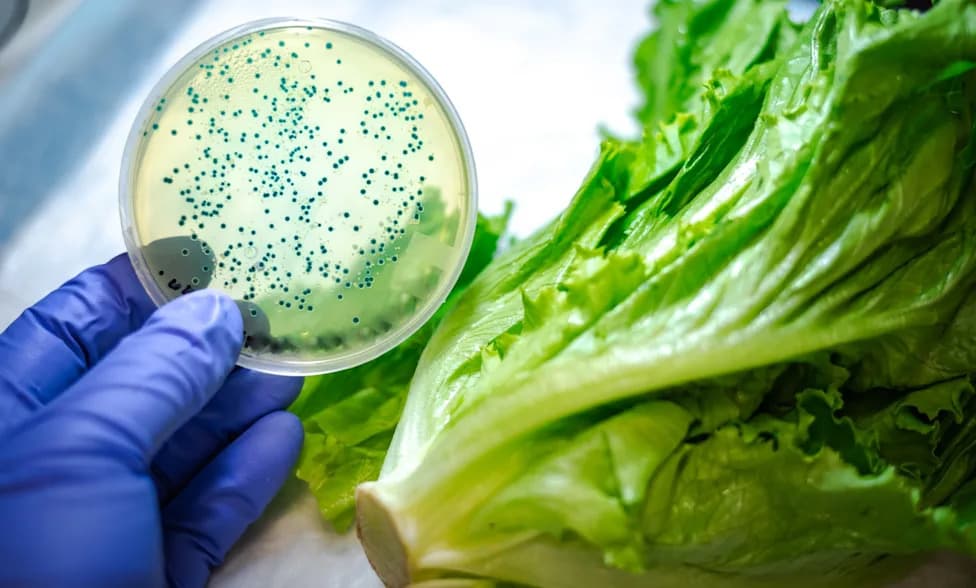
Taco Bell’s senior leadership moved quickly in mid-July to contain a large cyclosporiasis outbreak after public-health officials linked the illness to shredded iceberg lettuce served at the chain’s restaurants, according to reporting by the Wall Street Journal and other outlets. Some accounts described the symptoms as severe diarrhea; public-health authorities have attributed the illnesses to the parasite Cyclospora cayetanensis.
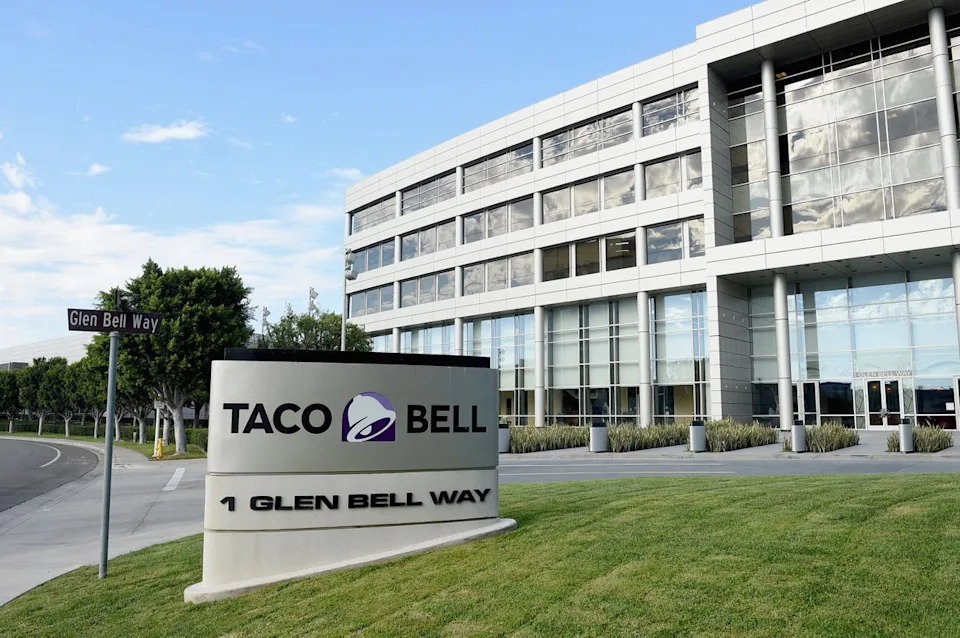
Taco Bell executives scrambled to stop this summer's cyclosporiasis outbreak linked to lettuce sold at their restaurants and save the Mexican food brand, according to a new report (Getty Images for Taco Bell)
Timeline And Immediate Actions
On July 16, Taco Bell announced it was immediately removing lettuce that was "potentially impacted" by the parasite. Officials had informed the company days earlier that lettuce supplied by Taylor Farms was a suspected source, prompting executives to coordinate with franchisees to rapidly remove and discard possibly affected produce. Many executives who were attending an off-site company event on July 14 returned to work and converged on Taco Bell’s Irvine, California, headquarters, where leadership ran virtual meetings to reroute supply trucks and dispatch staff to discard suspect cases.
Thousands of Americans have fallen ill from a cyclosporiasis outbreak linked to lettuce sold at Taco Bell in five states (Getty Images for Taco Bell)
Scope Of The Outbreak
Federal agencies reported a large outbreak. The Centers for Disease Control and Prevention (CDC) has recorded more than 4,100 confirmed cases and over 7,400 unconfirmed or probable cases since early May. On July 16 the Food and Drug Administration (FDA) reported that more than 1,600 people who tested positive for cyclosporiasis had eaten at Taco Bell.
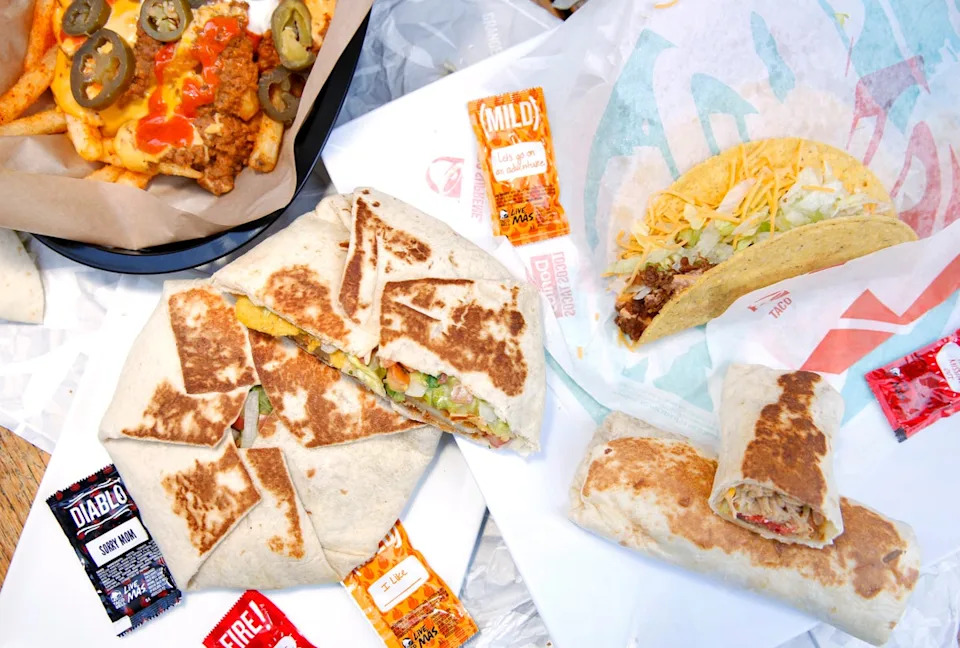
After Taco Bell was informed that lettuce from its supplier Taylor Farms was a suspected source of the outbreak, company executives reportedly worked with franchisees to hastily pull it from restaurants (Getty Images for Taco Bell)
Supplier And Testing Developments
Taylor Farms — the supplier identified in several reports — announced it was removing all iceberg lettuce sourced from central Mexico. Public-health officials initially reported a sample of Taylor Farms lettuce tested positive for Cyclospora, but later characterized that result as a "false positive" while investigations continued.
Business And Brand Impact
Data shared with The Independent by analytics firm Placer.ai indicated foot traffic at Taco Bell restaurants fell sharply, down about 30.9% on July 17 compared with the average for Fridays this year. Social sentiment also shifted: analytics cited by the Wall Street Journal (PeakMetrics) showed roughly half of online conversations about Taco Bell during the period were negative. Taco Bell’s communications focused on reassuring core menu fans; the chain posted messages encouraging customers to continue visiting after removing the affected lettuce and highlighted supportive fan comments in follow-up posts.
Public Guidance
The FDA advised consumers to avoid eating lettuce from Taco Bell or any other restaurant included in the Taylor Farms recall while health officials continued their investigation. The CDC and local public-health agencies have continued case tracking and outreach to affected communities.
What This Means: The episode illustrates how rapidly public-health alerts can force large restaurant chains to act across supply chains and franchise networks, and how such events can immediately affect customer traffic and brand perception.
Help us improve.