On July 22, a transmission fault in northern Virginia prompted multiple AI data centers to automatically disconnect, removing about 3 GW—roughly 3% of PJM’s load—and causing voltage and frequency disturbances that registered from Washington, D.C. to Chicago. The disturbance took about ten minutes to stabilize, far longer than typical millisecond‑scale events, and prompted household reports of flickering lights. Regulators and grid operators (including NERC and PJM) are developing stricter modeling, monitoring and cost‑allocation measures, while data centers and utilities adjust controls to reduce the risk of simultaneous trips.
When AI Data Centers Simultaneously Tripped: How a 3 GW Loss Sent a 1,000‑Mile Shock Through the Grid
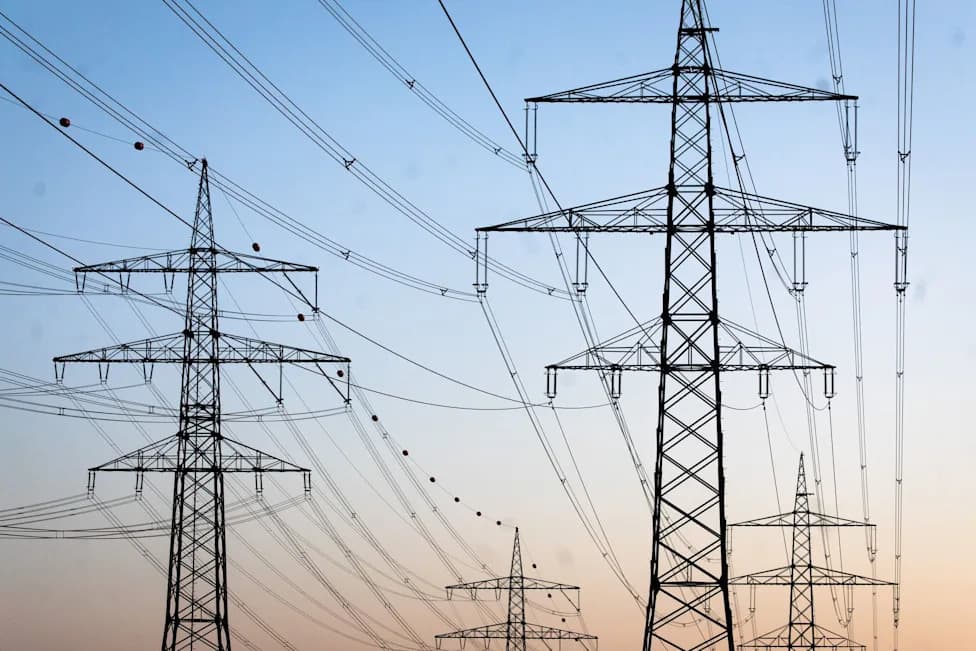
Image: Tara Energy
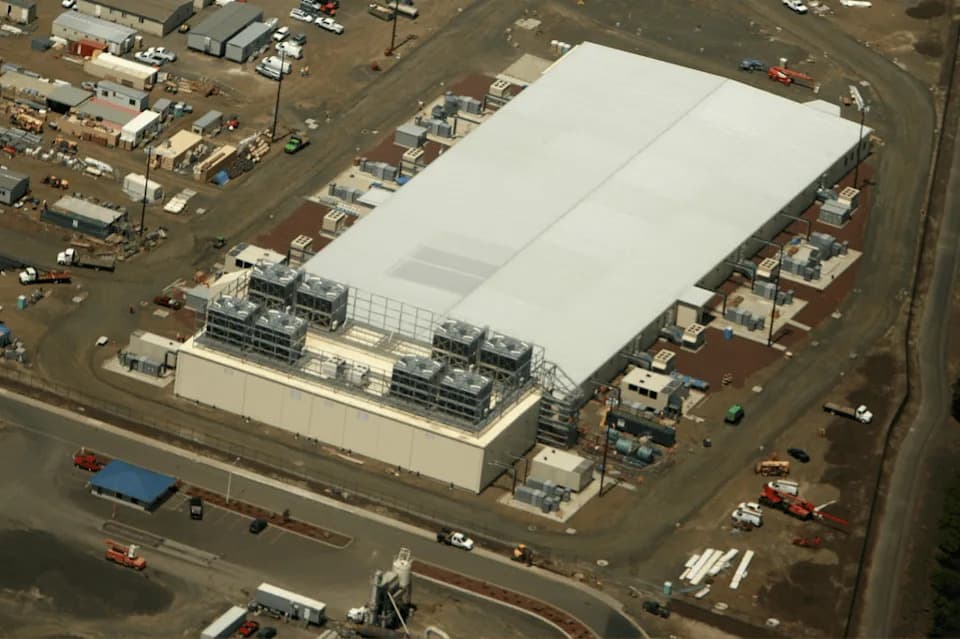
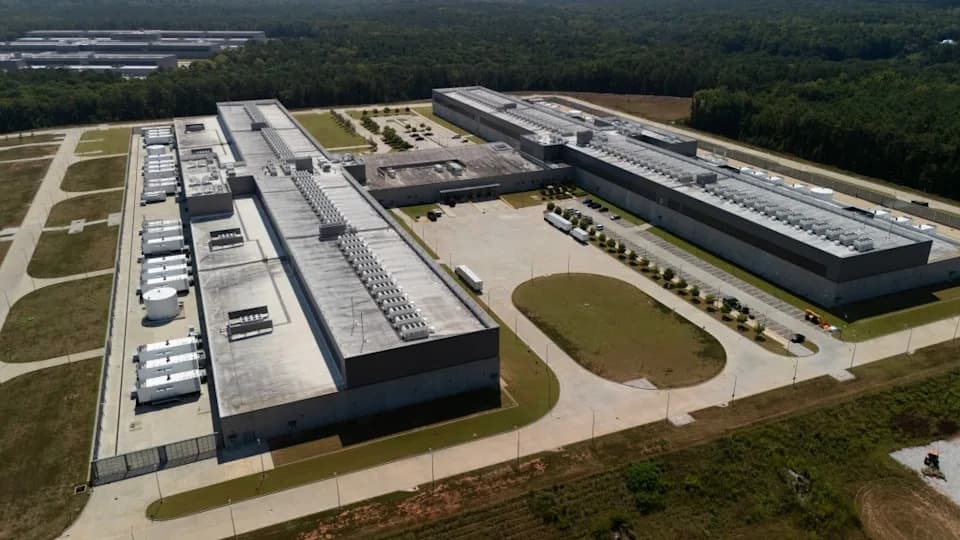
On the morning of July 22, a transmission-line fault in northern Virginia triggered an unexpected chain reaction: the internal protection systems at multiple AI-focused data centers automatically disconnected those facilities from the grid and switched them to on-site backup generation. The nearly simultaneous loss of load—more than 3 gigawatts, roughly 3% of PJM Interconnection’s demand at the time—produced voltage swings and a sudden frequency shift that rippled from Washington, D.C., all the way to Chicago and took about ten minutes to stabilize.
What Happened
Utility Dominion Energy told Reuters that facility control systems detected the fault and isolated their sites, activating backup power. PJM, the regional grid operator serving about 67 million people across the Mid‑Atlantic and parts of the Midwest, recorded a sharp frequency disturbance—an electrical analog to a cardiac arrhythmia. Bob Marshall, CEO of sensor-network firm Ting Labs, said the company’s 1.4 million sensors captured voltage anomalies stretching from D.C. to Chicago. While most grid disturbances are corrected in milliseconds, this event lasted on the order of minutes.
Why Sudden Load Loss Is Dangerous
Grid planners usually worry about not having enough supply. The reverse problem—gigawatts of load disappearing almost instantly—creates its own risks: the system becomes briefly over‑supplied, generator governors and control systems respond, and voltage and frequency can swing outside safe bounds. Those swings can damage equipment, trip additional protection systems, and in extreme cases cascade into wider outages.
Context And Precedent
This episode echoes an earlier incident in July 2024, when about 60 Virginia data centers tripped simultaneously and returned roughly 1,500 megawatts to the grid, prompting emergency measures and a NERC task force. Regulators and reliability organizations have since flagged synchronized data‑center disconnections as a growing threat as AI campuses expand toward gigawatt‑scale loads.
How Operators And Regulators Are Responding
There is a clear tension: grid operators want large facilities to "ride through" short disturbances and stay connected, while data‑center owners argue that tripping protects millions of dollars of sensitive computing and cooling equipment. To address this, the North American Electric Reliability Corporation (NERC) is developing mandatory modeling standards and a technical framework called PERC1, plus higher‑resolution monitoring requirements. PJM is pursuing regulatory reforms to allocate transmission and capacity costs more directly to data‑center developers, and some states (including Texas and Pennsylvania) are exploring rules that would allow utilities to curtail large commercial loads before residential customers during emergencies. Dominion Energy and several Virginia data‑center operators are also adjusting control systems so sites attempt to remain connected through brief faults rather than all tripping at once.
What This Means For Consumers
No formal widespread blackouts were declared after the July 22 event, but many households reported flickering lights and odd appliance noises. As policy and market changes are implemented—about who pays for transmission upgrades and how large facilities must behave during grid events—customers may see the costs reflected in electricity rates or in new utility rules intended to protect overall grid reliability.
Bottom Line: The invisible infrastructure behind AI services now has a very visible grid footprint. Preventing future disturbances will require technical standards, better monitoring, and changes to how costs and responsibilities are allocated among data centers, utilities, and ratepayers.
Help us improve.