The Assembly of States Parties, comprising 125 nations, is holding a special session in New York to vote on whether to remove ICC Chief Prosecutor Karim Khan following allegations of sexual misconduct he denies. Khan was suspended in June after an oversight committee found a "serious breach of duty," and he is barred from entering the U.S. because of sanctions tied to the court's Gaza investigation. The secret ballot is uncertain, with the Netherlands publicly backing removal amid concerns that the dispute has deeply divided and weakened the court.
Historic UN Vote Could Remove ICC Chief Prosecutor Karim Khan as U.S. Sanctions Keep Him From New York
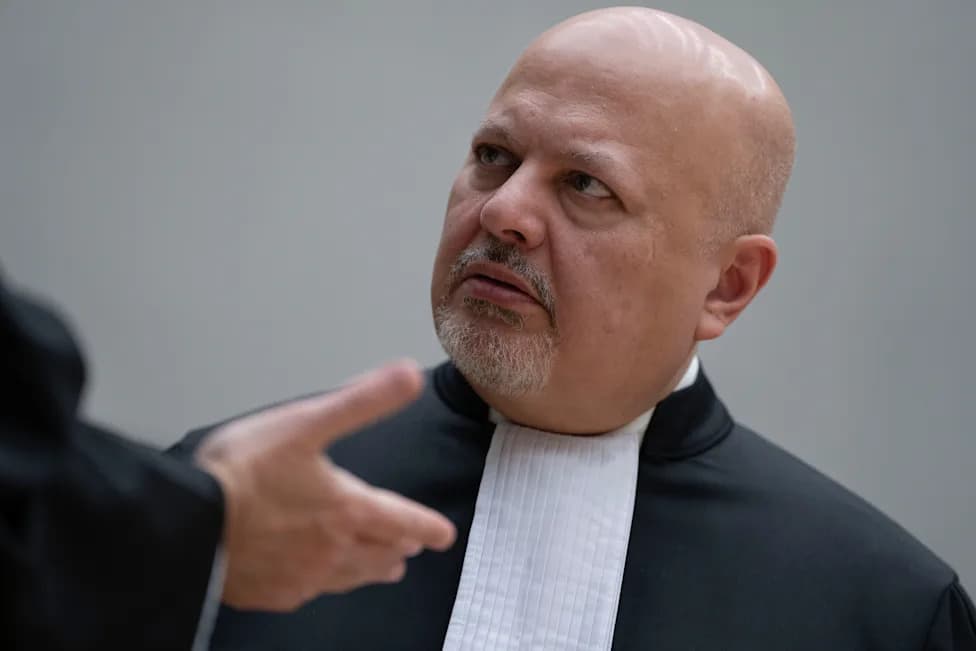
FILE - Chief Prosecutor Karim Khan talks before convening the International Criminal Court (ICC) in The Hague, Netherlands, March 14, 2025. (AP Photo/Peter Dejong, Pool, File)
Diplomats from 125 nations are meeting at United Nations headquarters in New York to decide whether to permanently remove Karim Khan, the embattled chief prosecutor of the International Criminal Court (ICC).
The British barrister, 56, was suspended from his duties in June after the ICC oversight executive committee found he committed a "serious breach of duty and serious misconduct" by engaging in a sexual relationship with a female aide and attempting to prevent her from pursuing complaints. Khan denies the allegations and disputes the committee's findings.
Sanctions and Absence From the Vote
Khan will not attend the closed-door Assembly of States Parties (ASP) session because he is barred from entering the United States after being sanctioned by the Trump administration over the ICC's investigation into alleged crimes by Israeli officials during the Gaza conflict. His lawyers have protested that his absence denies him a meaningful opportunity to be heard.
Division and Political Context
The case has become deeply politicized, particularly after the ICC issued 2024 arrest warrants for Israeli Prime Minister Benjamin Netanyahu and former Defense Minister Yoav Gallant on charges of crimes against humanity. The warrants prompted strong backlash, including multiple rounds of U.S. sanctions on Khan and other ICC staff.
"Political considerations have been folded into this, especially as it is the first time a prosecutor has pursued warrants against a western ally," said Iva Vukusic, a researcher at Utrecht University.
The process has widened divisions within the court. In April, a group of staffers in the prosecutor's office warned the oversight body that Khan's "leadership has been materially diminished." Last week, several Palestinian organizations accused the executive committee of "unwarranted political interference" and of subverting the disciplinary process.
What Comes Next
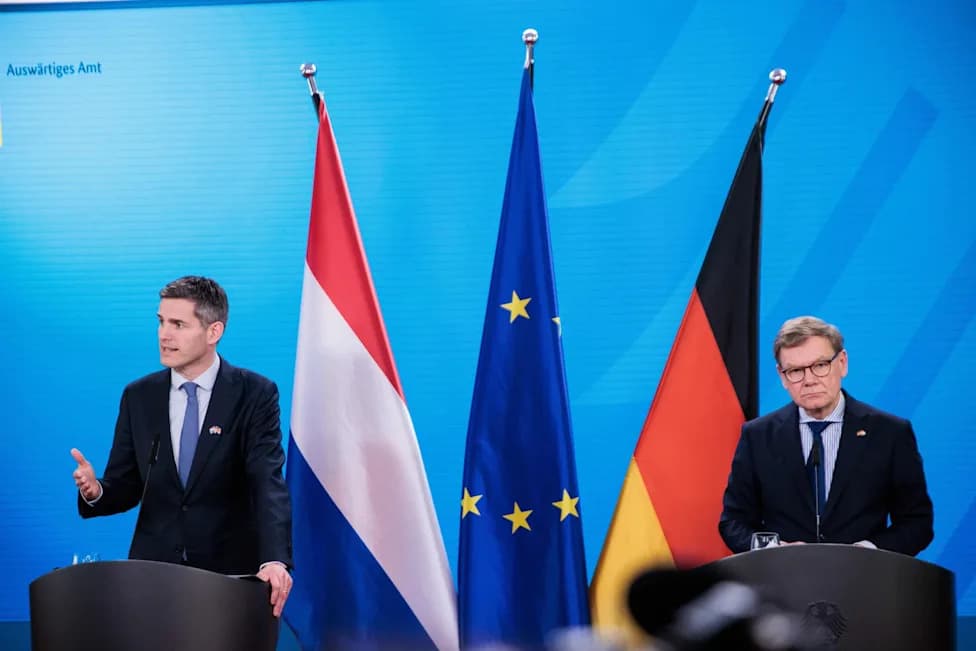
The secret vote will determine whether a majority of the ASP supports a resolution to remove Khan. The Netherlands, host state of the court, has publicly announced it will vote for removal; other states have not declared their positions. If removed, the Assembly will later elect a replacement. In the meantime, Khan's office is led by his two deputy prosecutors.
"Regardless of the outcome, the court is going to walk away bruised and battered and less able to face greater threats," Vukusic said.
Help us improve.