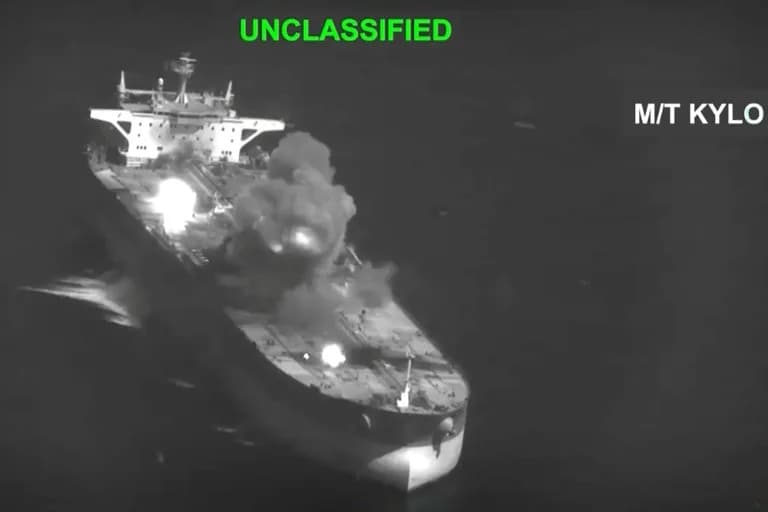
The US has stepped up action against Iran by sending a B-1 bomber from RAF Fairford to strike IRGC-linked targets, while Houthi forces attacked Saudi oil tankers in the Red Sea amid an ongoing maritime blockade. Analysts warn the Bab al-Mandeb could become a second Strait of Hormuz and note growing lethality in Iranian missiles. Former official David Schenker says a maritime blockade is a powerful US lever and urged measures to prevent escalation as tensions rise.
US Deploys B-1 Bomber Against IRGC As Houthis Strike Saudi Tankers — Region on Edge
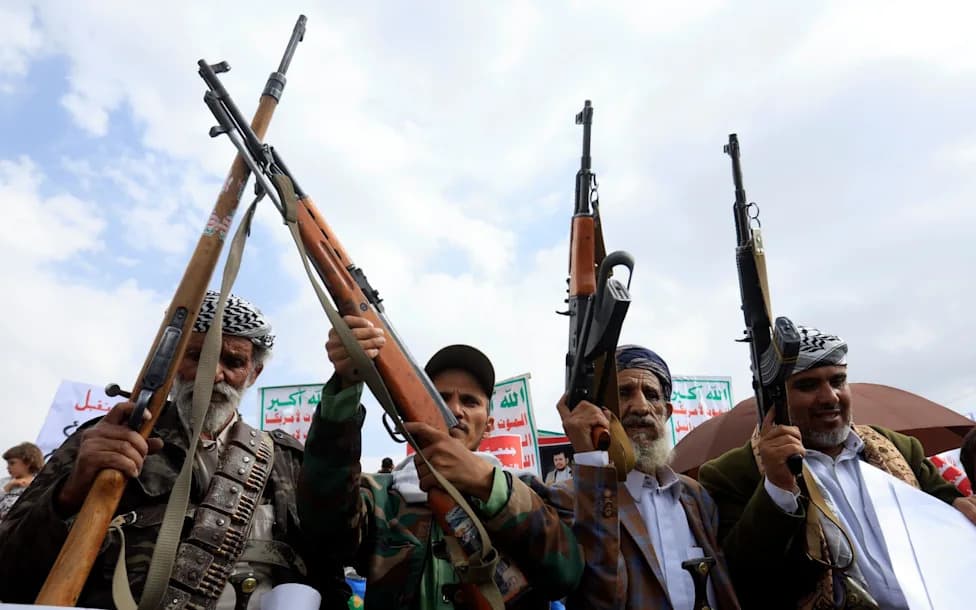
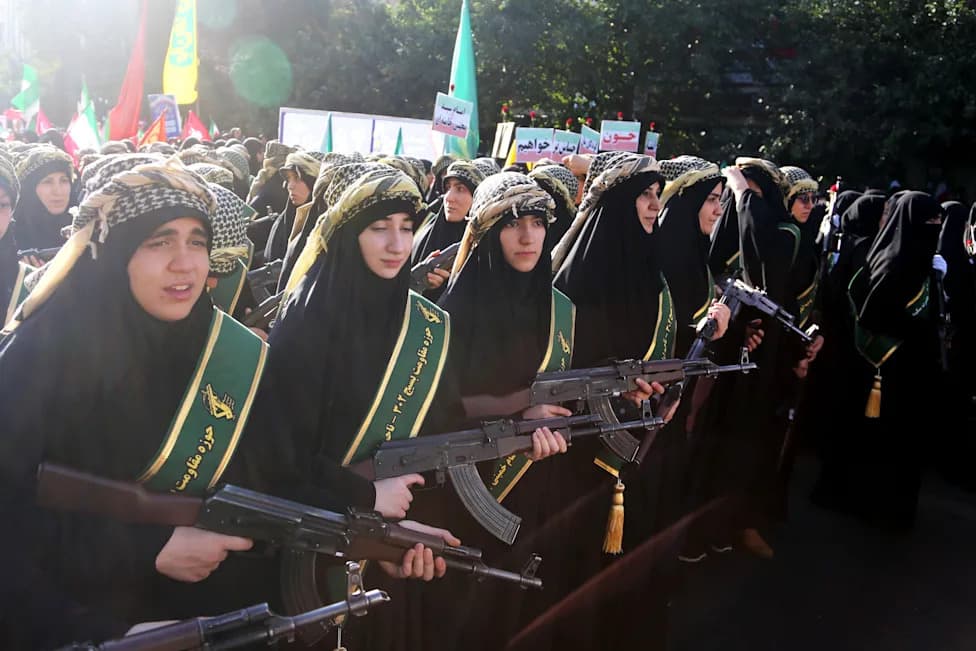
Houthi supporters hold up their weapons during a protest against Saudi Arabia, in Sana'a, Yemen, 17 July 2026 - YAHYA ARHAB/EPA/Shutterstock
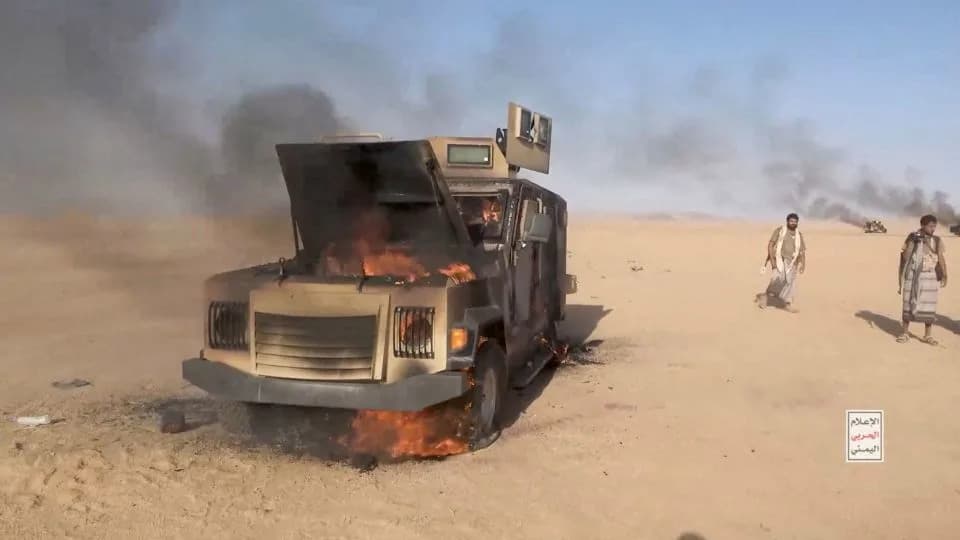
The United States has intensified military pressure on Iran after dispatching a B-1 long-range bomber from RAF Fairford to strike targets linked to the Islamic Revolutionary Guard Corps (IRGC). At the same time, Yemen’s Houthi movement — aligned with Tehran — launched missile attacks on Saudi oil tankers in the Red Sea as part of continued maritime harassment and a partial blockade.
What Happened
B-1 Strike: US forces deployed a B-1 bomber directly from RAF Fairford to hit sites associated with the IRGC. The move represents a notable escalation in long-range strike posture in the region.
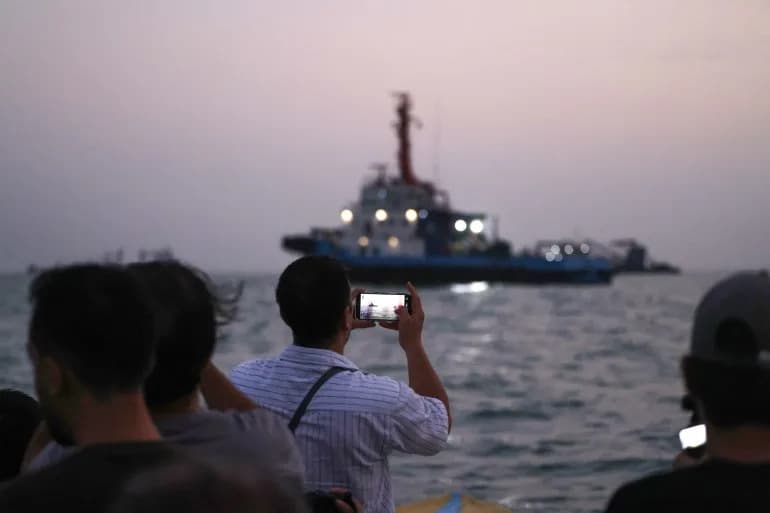
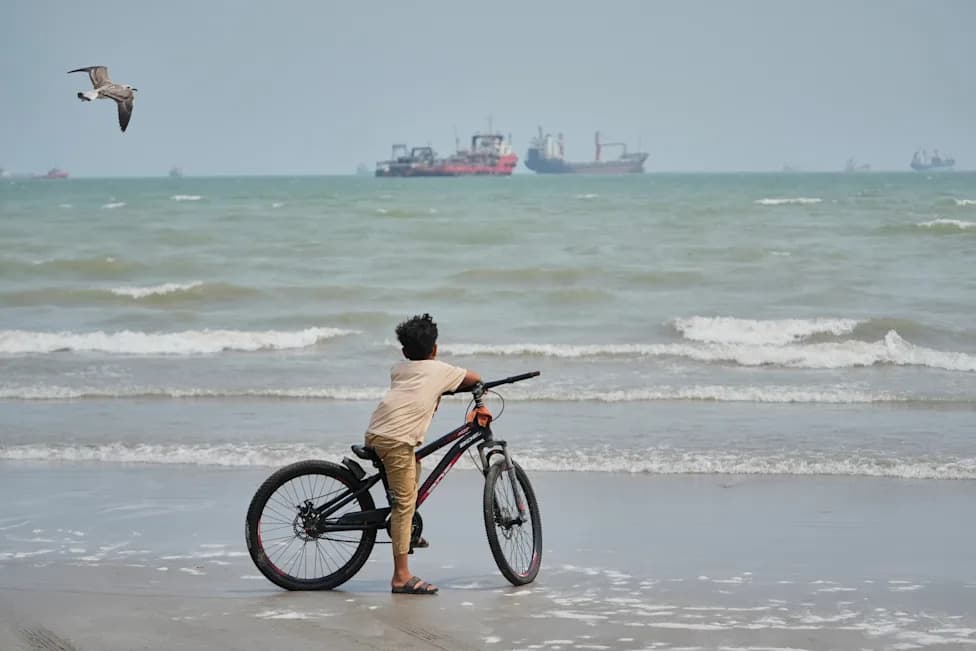
Houthi Attacks: Houthi forces have targeted commercial shipping in the southern Red Sea and Bab al-Mandeb strait, reportedly firing missiles at Saudi oil tankers and increasing the risk to a key global trade route.
Strategic Risks
Analysts and correspondents warn that the Bab al-Mandeb — the chokepoint between the Red Sea and the Gulf of Aden — could become a secondary Strait of Hormuz, where disruptions to oil shipments have wide international impact. Observers also note that Iranian missile capabilities have become more accurate and lethal, raising concerns about an expanding scope of confrontation.
Diplomatic Fallout
Tensions are further strained by diplomatic developments: Israel has expressed anger over a new US–Saudi civil nuclear agreement, which adds another layer to regional distrust and competition.
Expert Assessment
Former US Assistant Secretary of State for the Middle East David Schenker said a maritime blockade is one of the most potent levers available to the US administration. He also offered a single strategic recommendation aimed at preventing a broader escalation as the crisis risks spiraling out of control.
What Comes Next
The situation remains volatile. Policymakers face difficult choices between military pressure, protecting commercial shipping, and pursuing diplomatic channels to avoid an expanding conflict. International shipping companies and navies are likely to increase security measures through the Bab al-Mandeb and the wider Red Sea corridor.
Key takeaway: A combination of long-range US strikes, Houthi attacks on shipping, and diplomatic friction has pushed the region into a precarious phase with a heightened risk of wider escalation.
Help us improve.