The article details a series of Ukrainian drone strikes on Wildberries logistics hubs across several Russian regions, which destroyed large volumes of stock and killed at least nine people. Kyiv says the warehouses supplied frontline forces and drone components; Moscow denies Wildberries is a military supplier. Preliminary estimates put the company’s logistics losses at roughly 9–10% of capacity and sellers’ stock losses in the billions of rubles. Wildberries is exploring relief measures with Russian authorities while merchants report devastating business impacts.
‘Up in Smoke’: Ukrainian Drone Strikes on Wildberries Warehouses Deepen Economic Toll in Russia
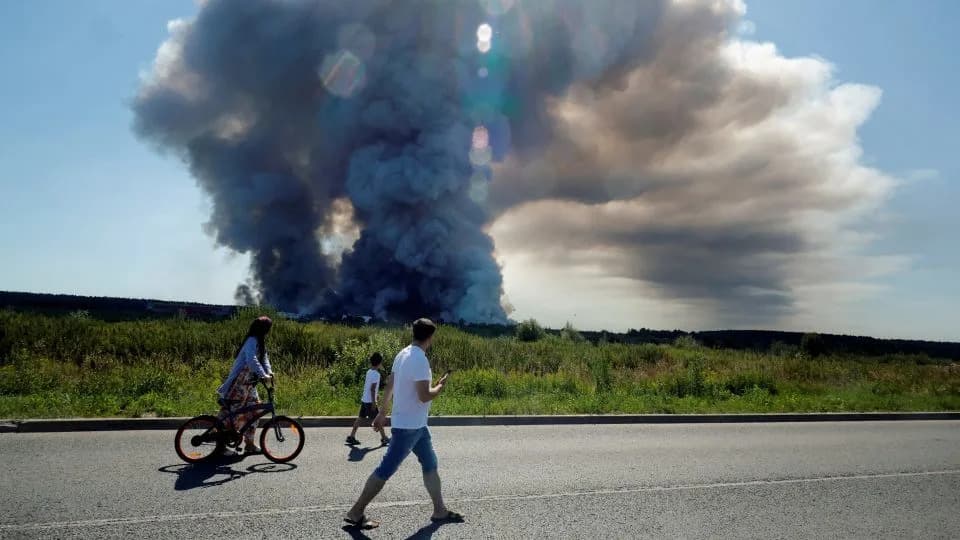
Local residents walk past the smoke of a fire at the Russian e-commerce firm Wildberries' logistics complexes in the town of Elektrostal outside Moscow on July 18. - Tatyana Makeyeva/AFP/Getty Images
Ukrainian drone strikes on distribution hubs belonging to Wildberries, Russia’s largest online retailer, have destroyed vast amounts of inventory, killed civilians and intensified the economic fallout of the war inside Russia. The attacks — reported across multiple regions — have disrupted sellers who rely on the platform and prompted discussions in Moscow about relief measures for affected businesses.
Damage and Casualties
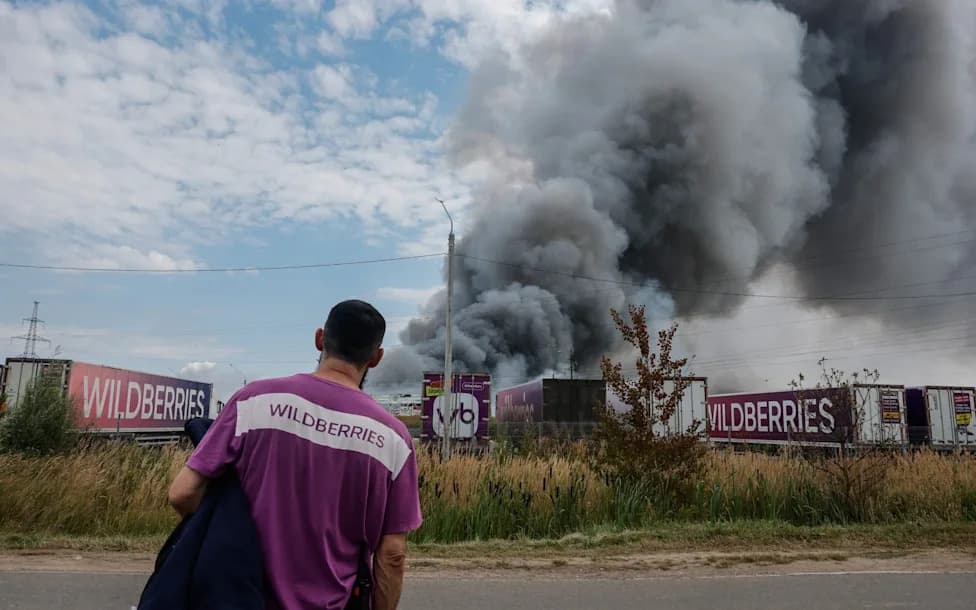
Over the weekend and in subsequent strikes, drones hit Wildberries logistics centers in Elektrostal (Moscow region), Kotovsk (Tambov region), Krasnodar and Stavropol regions, and state media reported a warehouse closure after an attack in Voronezh. Regional officials said the strikes have cost human lives: seven people were reported killed in Kotovsk, one in Elektrostal and at least one in the Krasnodar region, bringing the confirmed toll to at least nine fatalities.
Kyiv’s Justification and Moscow’s Response
Kyiv has acknowledged responsibility for strikes on large logistics facilities, saying the warehouses were used to supply Russia’s frontline forces and to store components used in drone production and navigation. President Volodymyr Zelensky spoke of “major logistics facilities” being struck, arguing they were legitimate military targets.

Russia's largest online retailer Wildberries CEO Tatyana Kim attends the St. Petersburg International Economic Forum (SPIEF) on June 5. - Olga Maltseva/AFP/Getty Images
The Russian government has denied that Wildberries supplies the military. At the same time, searches of the Wildberries platform returned listings for body armor, first-aid kits, rations and drone-related equipment (including FPV goggles and other components that can be adapted for battlefield use), a point highlighted by Ukrainian commentators supporting the strikes.
Economic Impact
Estimates of the financial and logistical damage vary. The Russian edition of Forbes reported that Wildberries may have lost up to 9% of its warehouse space and that restoring capacity could cost roughly 33 billion rubles (about $421 million). That report suggested sellers’ stock losses could be at least 150 billion rubles (about $1.9 billion). The business daily Kommersant estimated the strikes affected roughly 10% of Wildberries’ logistics capacity.
CNN and other outlets have sought comment from Wildberries about the financial impact and the allegations that its facilities were used to supply the Russian military.
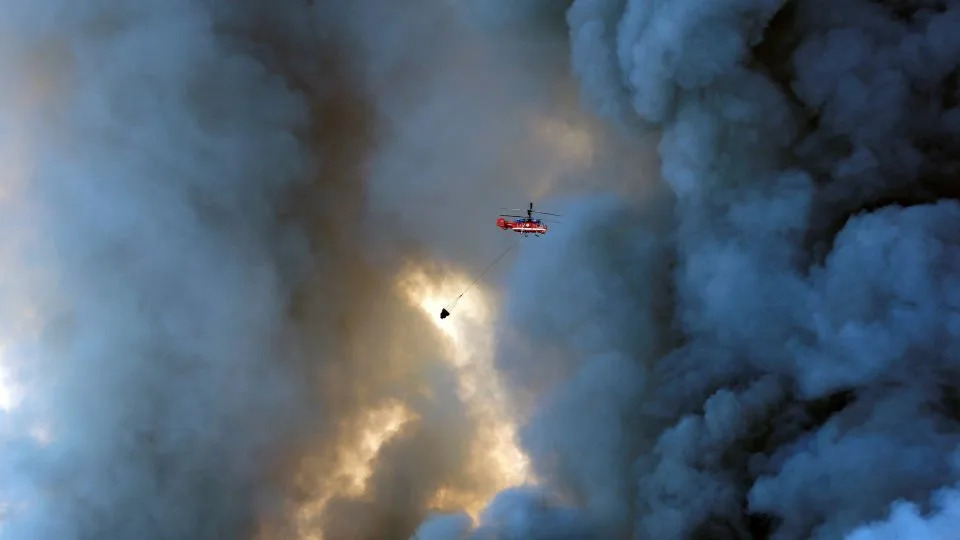
A firefighting helicopter attempts to extinguish a fire at the Russian e-commerce firm Wildberries' logistics complexes in the town of Elektrostal outside Moscow on July 18. - Tatyana Makeyeva/AFP/Getty Images
Impact on Sellers and Marketplace Operations
Independent sellers who use Wildberries for distribution have posted on social platforms about severe business losses. One fashion retailer said roughly 40% of their business “went up in smoke,” while others described being forced by altered marketplace rules to hold larger volumes of stock in Wildberries warehouses. Several merchants also said Wildberries updated its terms of service to disclaim liability for damage caused by drone attacks.
Wildberries founder Tatyana Kim told business daily RBC the company was discussing potential measures with Russian authorities — including possible tax deferrals or other easing mechanisms through the Federal Tax Service — to support sellers affected by the strikes.
Public Reaction and Context
The strikes have sparked sharply divided reactions. Many Russians expressed dismay and anger at the attacks on a consumer platform that hosts small and medium-sized businesses. Ukrainian commentators countered that the strikes are a direct response to Russia’s full-scale invasion in 2022 and that logistics hubs supporting military supply chains are legitimate targets.
“Wildberries is no longer just an online marketplace for clothing and household goods,” wrote a Ukrainian commentator, highlighting listings for protective and drone-related equipment on the platform. Another Ukrainian voice urged Russians to look to their government for responsibility for the war and its consequences.
What Comes Next
Authorities and the company are weighing relief options for affected sellers, while the strikes are likely to factor into continuing debates over the reach of the war, economic vulnerabilities inside Russia and the targeting of logistics networks in modern conflict. The human and business losses underscore how the conflict’s consequences are spilling into everyday commerce far from the front lines.
Help us improve.