About 595,000 Israelis aged 18–22 are expected to vote for the first time in the election for the 26th Knesset, representing roughly 8.7% of the electorate and marking the largest wave of new voters since statehood. The total electorate is projected to reach about 6.8 million, up 9.4% from 2022. Jerusalem will see the biggest absolute increase, while many small communities and areas with large haredi or Arab populations show the highest proportions of first-time voters. Women slightly outnumber men among newcomers, and the haredi sector is the single largest contributor to electoral growth.
Israel Prepares for Record Wave of First-Time Voters — 595,000 Young Citizens to Join 26th Knesset Election
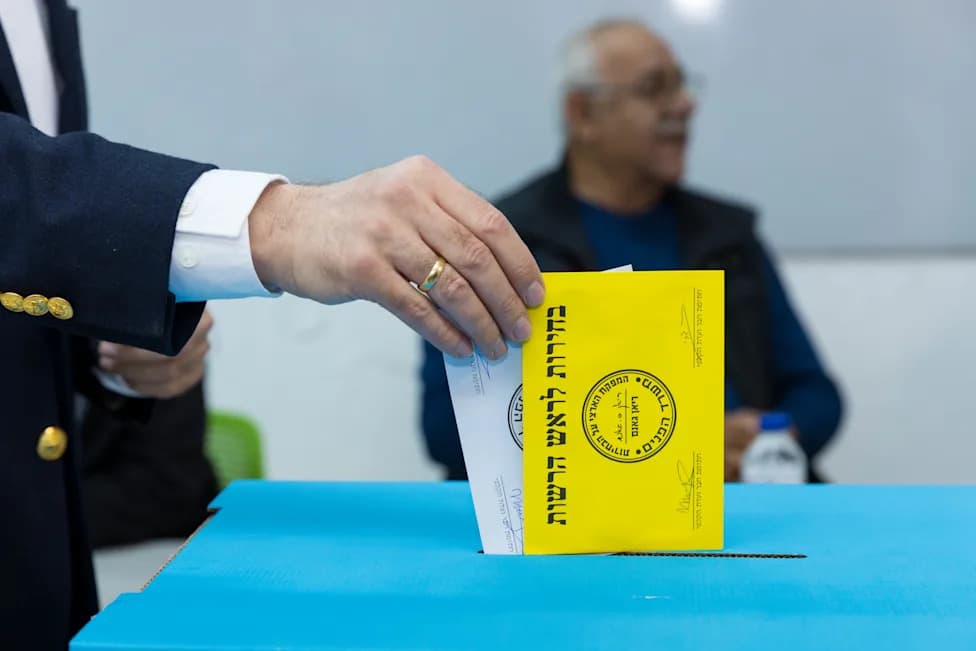
(Illustrative) A man casts his ballot at a voting station on the morning of the municipal elections, in Ashdod, February 27, 2024 (photo credit: Liron Moldovan/Flash90)
An unprecedented cohort of young Israelis is set to vote for the first time in the election for the 26th Knesset. Points Location Intelligence estimates roughly 595,000 citizens aged 18–22 — about 8.7% of all eligible voters — will be first-time voters, the largest influx of new voters since the founding of the state.
The study projects the total electorate will reach approximately 6.8 million eligible voters, an increase of about 9.4% from the November 2022 election, when roughly 6.2 million Israelis could vote. Analysts warn this demographic surge could alter political dynamics in several regions and among specific sectors.
Where New Voters Are Concentrated
In absolute numbers, Jerusalem is expected to see the largest rise, with around 60,000 first-time voters — about three times the number forecast for Tel Aviv-Jaffa (roughly 20,000). Other cities with notable increases include Bnei Brak (~19,000), Haifa (~15,000), Petah Tikva (~14,000), Rishon Lezion (~13,500), Ashdod (~13,000) and Beersheba (~12,000).
Measured by proportion rather than raw totals, many small communities show the most dramatic renewal: Kfar Kesef leads with new voters comprising 69% of eligible residents, followed by Beit Berl (64%), Migdal Oz (53%) and Kerem B'Yavneh (50%). Among major cities, Elad stands out: first-time voters are expected to make up about 24% of its eligible electorate.
Sector and Gender Breakdown
The analysis highlights clear sectoral differences. The haredi sector is the primary engine of electoral growth: approximately 105,000 new voters come from the haredi community, equal to about 16% of that sector's eligible voters — nearly double the national average. New voters represent about 12.2% of eligible voters in the religious-Zionist sector and roughly 10.6% in the Arab sector; areas without a dominant sectoral affiliation register around 7%.
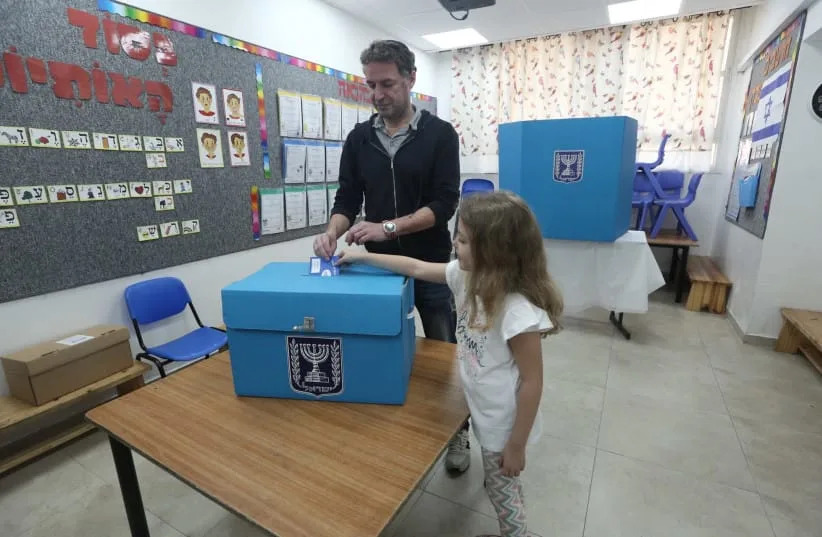
(Illustrative) A child helps cast a vote by placing a ballot in a box in Jerusalem's Baka neighborhood, April 9th, 2019 (credit: MARC ISRAEL SELLEM/THE JERUSALEM POST)
In absolute terms, more than 118,000 young Arab Israelis are expected to vote for the first time — the largest raw total among sectors. The religious-Zionist sector accounts for roughly 35,000 first-time voters.
Women constitute a slight majority of newcomers: an estimated 303,000 women (50.9%) versus 292,000 men (49.1%). This female majority holds across most sectors — about 54% of first-time voters in the haredi sector are women, and roughly 52% in both the Arab and religious-Zionist sectors.
Socioeconomic Patterns and Political Implications
The Points analysis finds a link between socioeconomic status and rates of electoral renewal. Middle- and upper-socioeconomic communities generally show lower shares of new voters (around 7–8%), while higher renewal rates appear in many communities with large haredi or Arab populations, often classified in lower socioeconomic clusters.
“The upcoming election is expected to be significantly influenced by the entry of hundreds of thousands of new voters into the voting population. The data show that the haredi and Arab publics continue to display the highest rates of electoral renewal in Israel, while in the larger and more established cities, the rates at which new voters are joining are significantly lower,” said Yafit Ben Haim, CEO of Points.
Ben Haim added that parties are increasingly using demographic and geographic data to identify which communities and groups are producing new voters, what motivates them and which issues resonate — factors she said will be decisive heading into the October 2026 election.
Overall, the influx of nearly 600,000 first-time voters makes this autumn's election unusually dynamic: regional concentrations of new voters and sectoral growth — particularly in the haredi and Arab communities — could reshape campaign strategies and outcomes in close races.
Help us improve.