An appeals court in South Korea overturned the March murder conviction of a woman identified as Kwon in a widely reported case involving a newborn’s death, while upholding murder findings against two doctors but reducing their sentences. Prosecutors had alleged the infant was born alive at 36 weeks, frozen and later died; hospital records were said to be falsified to show a stillbirth. The appeals court found reasonable doubt that Kwon knew the baby would be born alive after hearing that a broker had told her the infant would be stillborn. Human rights groups say the case highlights gaps in South Korea’s post-2019 abortion rules and are urging clearer regulation and access to safe abortion services.
Appeals Court Acquits Woman in South Korea Over Newborn’s Death; Doctors’ Convictions Upheld With Reduced Sentences
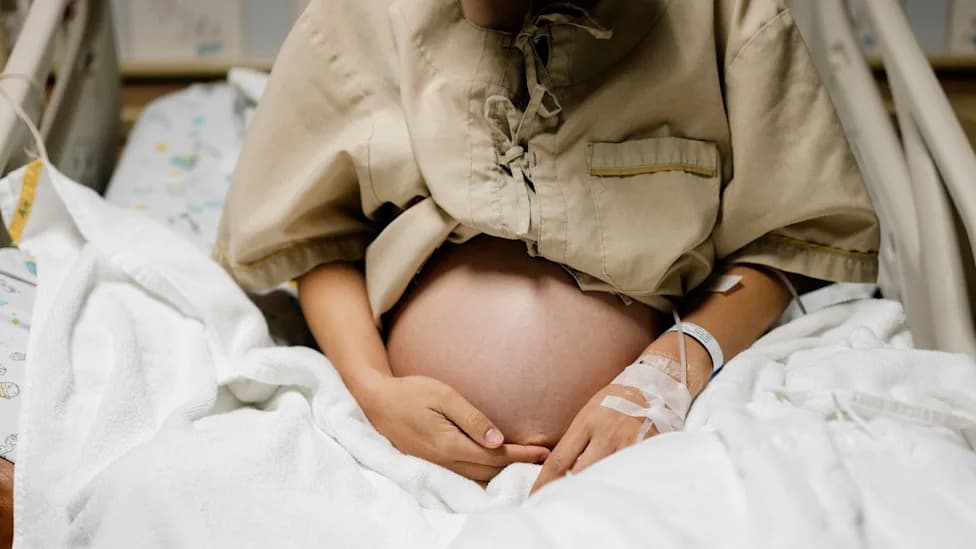
The case shocked South Korea in 2024, when the woman posted a YouTube video about terminating her pregnancy at 36 weeks (file image) [Getty Images]
A South Korean appeals court has acquitted a woman who was convicted in March of murdering a baby delivered in hospital, while upholding murder convictions for two doctors but reducing their prison terms. The case has drawn widespread attention and reignited debate over South Korea’s unclear post-2019 abortion regulations.
Warning: This article contains details some readers may find distressing.
What the Court Decided
The defendant, identified only by her surname, Kwon, had been sentenced in March to a three-year suspended jail term after being convicted alongside two doctors. On appeal, the court overturned Kwon’s conviction, finding reasonable doubt that she knew the infant would be born alive and later killed. The two doctors’ murder findings were maintained, but their jail terms were reduced: the surgeon’s sentence was cut from four years to two-and-a-half years, and the hospital director’s term was lowered from six years to four years.
Allegations and Trial Details
Prosecutors said Kwon sought to terminate her pregnancy at 36 weeks and that the infant was delivered by Caesarean section alive, placed in a freezer and later died. They also alleged hospital staff falsified medical records to indicate a stillbirth. During the trial both doctors admitted responsibility for the infant’s death.
Kwon’s defense maintained she did not know the baby would be killed after removal from her womb. The appeals court highlighted testimony that a broker had told Kwon the child would be stillborn, creating reasonable doubt about what she knew or expected at the time.
Context: Law, Policy and Public Reaction
The case emerged publicly in 2024 after Kwon, then in her 20s, posted a YouTube video saying she had sought to terminate the pregnancy at around 36 weeks. The video provoked public outrage, a criminal complaint from the health ministry and a police investigation.
Although South Korea decriminalized abortion in 2019, lawmakers have not established clear limits on gestational age for terminations. The Constitutional Court that struck down the old ban recommended Parliament allow abortions up to 22 weeks, but follow-up legislation stalled amid political opposition and by 2021 no new regulatory framework had been enacted. Courts have cited this legal vacuum in earlier decisions, including when Kwon received leniency at initial sentencing.
Heekyoung Cho, executive director of Amnesty International Korea, welcomed the acquittal but warned the legal gap leaves pregnant people without clear protections or reliable access to reproductive healthcare. "The government must implement measures to remove barriers to accessing safe abortion as well as to provide proper regulations on abortion service provision," she said.
During the trial Kwon said she discovered the pregnancy at about seven months and pursued termination because she lacked stable income and feared congenital defects after consuming alcohol and smoking earlier in the pregnancy.
Why It Matters
The case is widely seen as precedent-setting: it was the first time murder charges were pressed against a woman who sought a late-stage termination and against the doctors involved. The appeals court ruling underscores the legal and ethical complexity that has emerged in South Korea since the 2019 decision, and has intensified calls for clear statutory rules governing abortion care and late-term pregnancy management.
Help us improve.