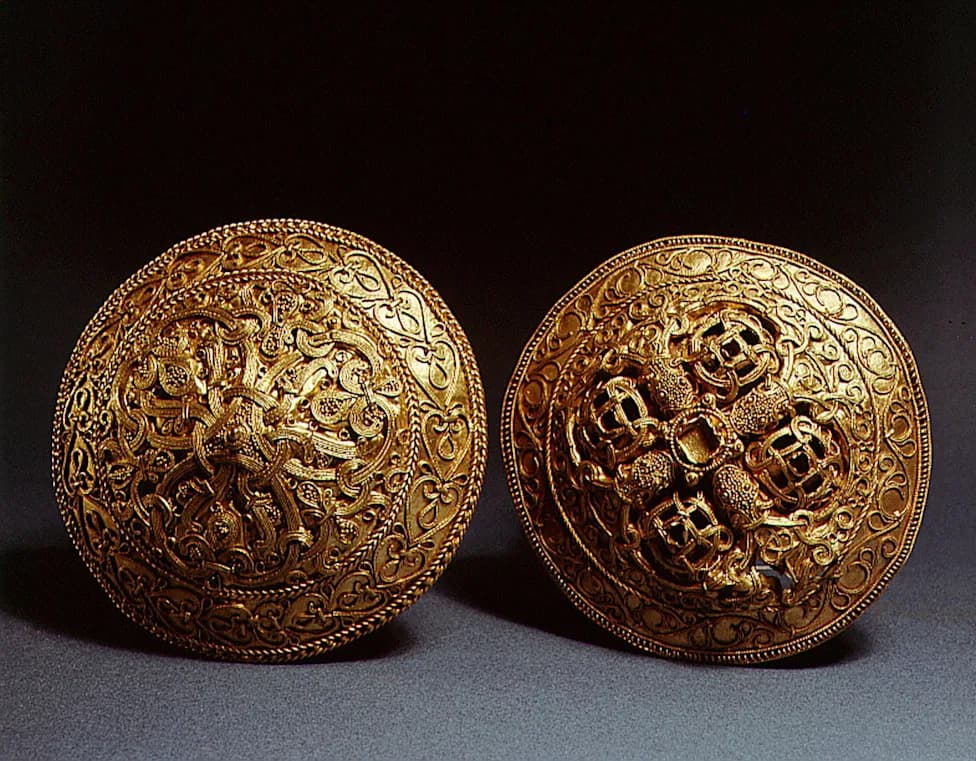
New ancient DNA analysis of 142 individuals from Scandinavian churchyards shows that people buried side by side were rarely close relatives. Shared graves often contained unrelated adults and children, suggesting that religious practices, social ties or circumstances of death — not kinship — shaped burial choices. The study also finds clear gendered burial patterns from childhood and highlights "Lady 56," a woman linked genetically to others and buried with a pilgrim scallop shell.
DNA Study Upends Assumption That Viking-Age Graves Contained Families
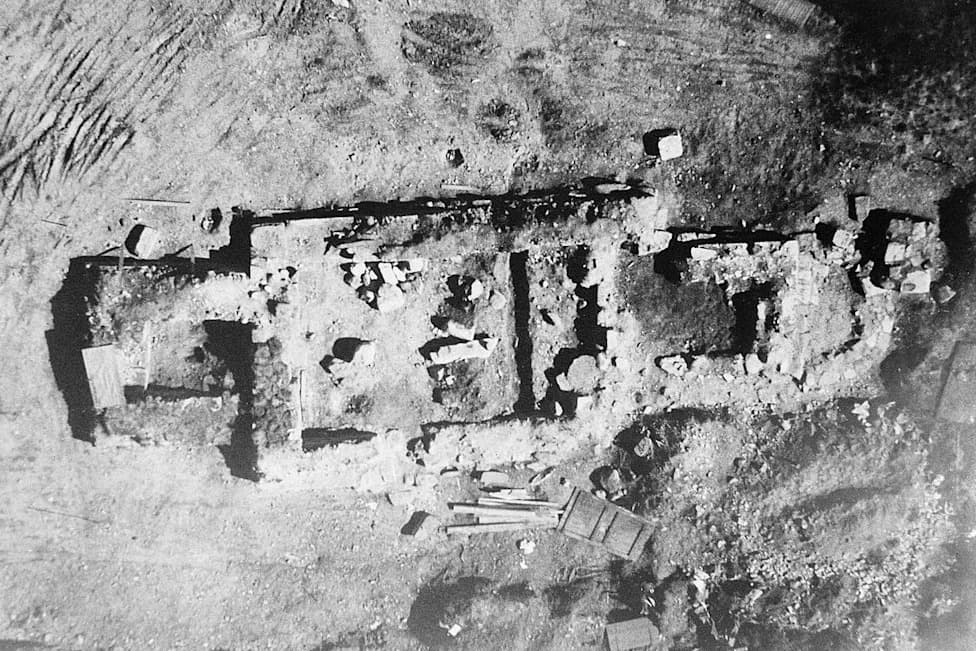
DNA study challenges key assumption about Viking burials
A new analysis of ancient DNA has challenged the long-standing belief that people buried together in Viking-age and medieval Scandinavian graves were typically close relatives. The study, published in Science Advances, examined genetic material from 142 individuals excavated from churchyards at Västerhus (Jämtland), Sigtuna (near Stockholm) and Fjälkinge (Skåne).
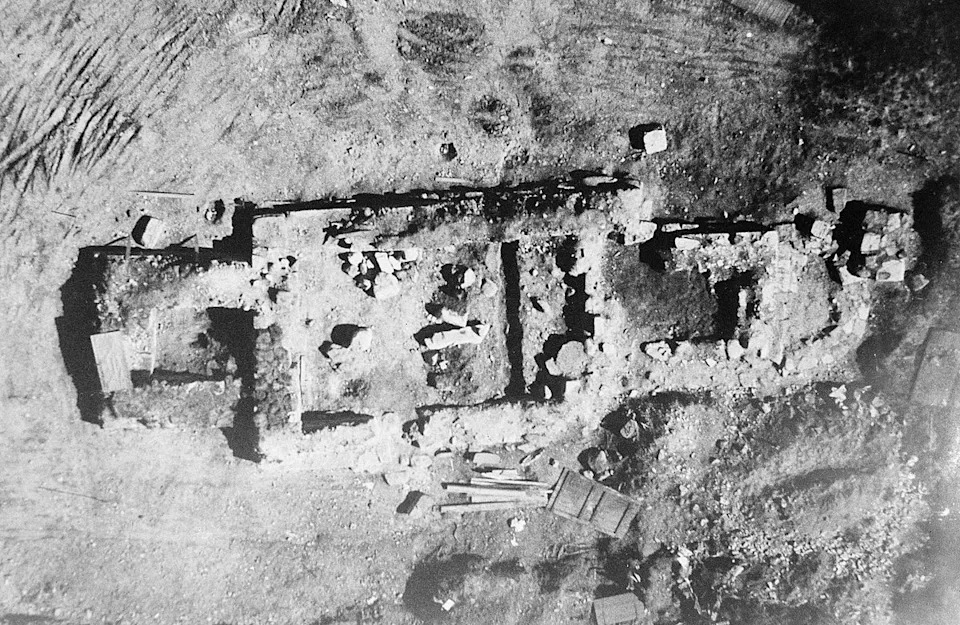
The Västerhus church ruin (Riksantikvarieämbetets arkiv)
Contrary to expectations, the researchers found that close kin seldom shared the same grave. Roughly 60 children and adolescents were included among those buried in shared graves, and in most cases these juveniles were not biologically related to the adults laid beside them.
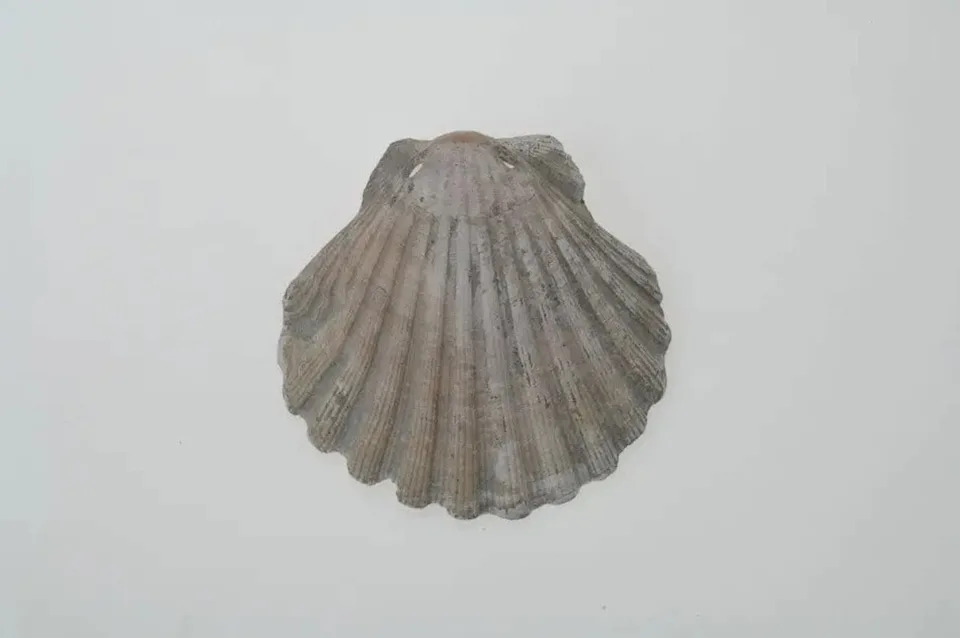
A pilgrim shell found at the Västerhus cemetery (Christer Åhlin/Historiska Museet)
Burial Patterns Driven By Social and Religious Practice
The authors argue that joint burials were more likely shaped by religious customs, social ties, membership in the same community, or the circumstances surrounding a person’s death rather than by family relationships. These findings force a rethink of archaeological interpretations that equated side-by-side adult-and-child burials with parent–child relationships.
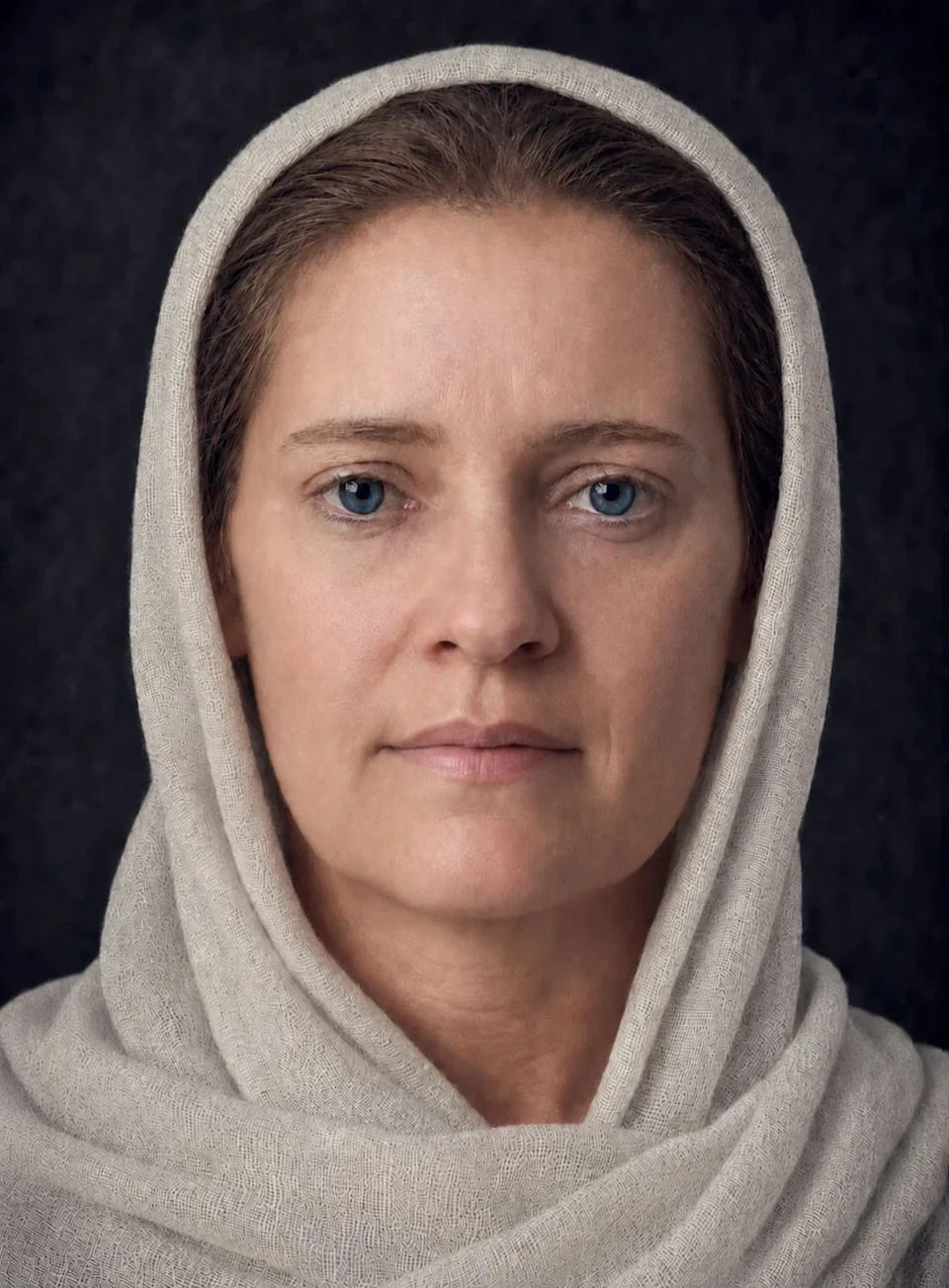
Forensic facial reconstruction of one of the key Västerhus individuals analysed in the study (Oscar Nilsson/Stockholm University)
“We often assumed that adults and children sharing a grave were parents and children or other close family members. In most cases, that was not what we found,” said Maja Krzewińska, one of the study’s authors.
The research team used ancient DNA to test hypotheses that archaeologists had debated for generations. As co-author Anna Kjellström explained, genetic evidence provided the long-awaited tool to verify whether burial proximity reflected kinship.
Gendered Burial Practices Evident From Childhood
The study also found clear gendered organization in the churchyards. Men and women were generally placed on opposite sides of the cemetery; boys were buried on the male side and girls on the female side. This indicates that these communities recognized and enforced gender distinctions from early childhood rather than treating children as a single undifferentiated group.
“The children weren't treated as a separate category,” said Anders Götherström of Stockholm University. “In death, they appear to have been treated according to the same social and religious principles as adult men and women.”
Notable Individual: "Lady 56"
One notable case at Västerhus, catalogued as "Lady 56," stood out because her DNA linked her to several other individuals in the churchyard, allowing partial reconstruction of a family network. Archaeologists also found a scallop shell in her grave — a recognised symbol of pilgrimage to Santiago de Compostela in northwestern Spain — suggesting she may have completed a major medieval pilgrimage and returned to Scandinavia before her burial.
The new genetic evidence does not dismiss the possibility of kin-based burials entirely, but it shows that archaeologists must consider a broader range of social, religious and situational explanations when interpreting burial arrangements from the Viking and medieval periods.
Help us improve.