Researchers have confirmed a previously undocumented primate in the Democratic Republic of the Congo and formally named it Colobus congoensis, locally known as the Likweli. The team published their findings in PLOS One after fieldwork, genetic analysis and acoustic recordings conducted between 2018 and 2022. They documented 114 sightings across more than 650 square miles and recommend the species be listed as Endangered due to habitat loss, hunting and growing human pressures.
Orange-Mouthed 'Likweli' Confirmed as New Colobus Species — Scientists Urge Endangered Status
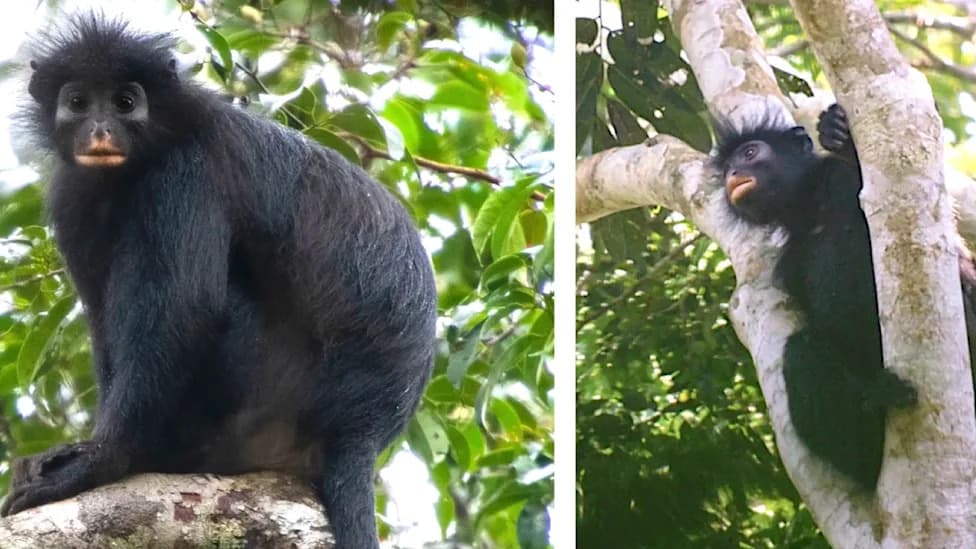
Photo Credit:Image© 2026 by Hart et al. is licensed under
Scientists have formally confirmed that an unusual monkey long known to local communities in the Democratic Republic of the Congo is a species new to science. The primate has been named Colobus congoensis, though the Balanga people have called it the Likweli for generations.
The animal was first noticed in a blurry photograph taken in 2008. A multidisciplinary research team has now published a full description of the species in the peer-reviewed journal PLOS One, based on field observations, genetic analysis and acoustic recordings.
Key Findings
The Likweli is distinctive for its conspicuous orange-coloured mouth and loud, “frog-like” calls. Between 2018 and 2022, researchers recorded 114 sightings of the monkey across more than 650 square miles (over 1,600 km²) of forest in and around Lomami National Park, DR Congo. The team also collected genetic samples and interviewed residents from 52 villages to document local knowledge and distribution.
Why Researchers Consider It a Separate Species
Multiple lines of evidence — unique vocalizations, morphological features, and genetic differences — support recognition of the Likweli as a distinct Colobus species. With this addition, taxonomists now recognize six Colobus species native to Africa.
Conservation Concerns
The study's authors recommend listing Colobus congoensis as Endangered. Habitat loss, hunting, and increasing human activity in and around its forest home pose immediate threats. New primate discoveries are rare, and the species’ limited range and ongoing pressures make early protective measures urgent.
Broader Significance
Primates play a vital role in forest ecosystems: they help maintain forest structure, disperse seeds, and support biodiversity. Healthy tropical forests also store carbon, support rainfall patterns, and help stabilize local climates — benefits that communities rely on for food, water and resilience to environmental shocks.
This discovery highlights the importance of combining scientific methods with local knowledge. The Balanga communities' familiarity with the Likweli was instrumental in locating populations and informing the research — illustrating that effective conservation often depends on the people who live alongside these landscapes.
Help us improve.