What happened: Scientists inoculated about 5,300 young American elms on a 28‑acre Vermont plot on May 19, 2026, to find trees that tolerate Dutch elm disease. Why it matters: Identifying tolerant parents will enable a genetically diverse seed orchard and long‑term floodplain restoration. Timeline: Trees will be monitored for at least two years; selected parents will be cloned and may take 10–15 years to produce seed for large‑scale restoration.
The Deadly Test That Could Bring Back the American Elm: Inside a 28‑Acre Dutch Elm Disease Trial
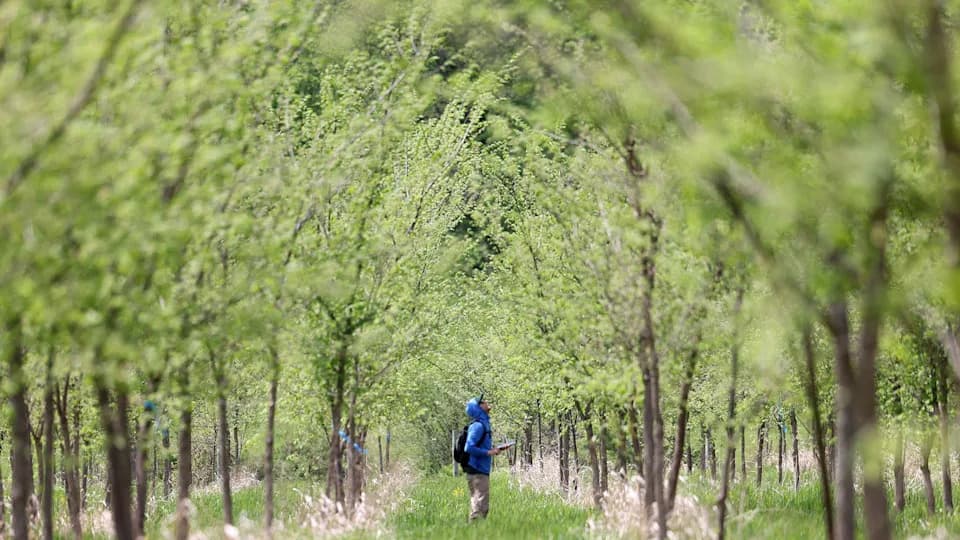
A research specialist with the University of Vermont records information young elm trees that have been inoculated with Dutch elm disease on May 19, 2026.
After more than a decade of preparation, researchers deliberately infected a 28‑acre stand of young American elms in Benson, Vermont, to identify the rare trees that can tolerate Dutch elm disease (DED). The goal: find parents whose offspring can be used to rebuild genetically diverse, disease‑tolerant elm populations in floodplains and river corridors.
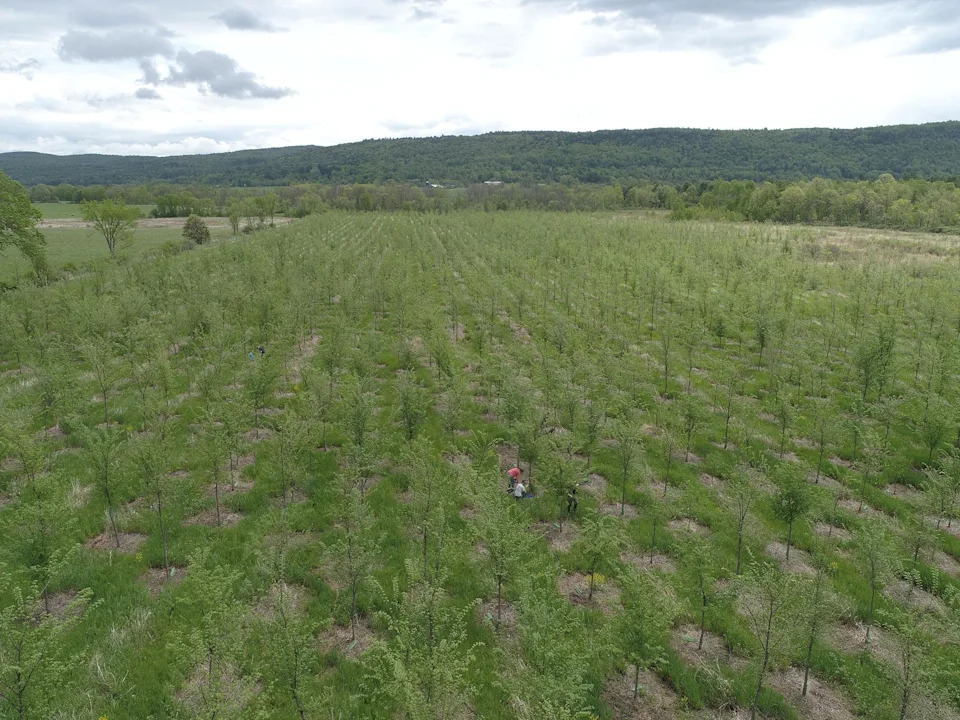
Researchers inject experimental elms with Dutch elm disease at a test site in Benson Vermont.
How The Trial Worked
On May 19, 2026, teams inoculated roughly 5,300 saplings. Field crews measured a precise drilling depth, made a small wound in each trunk and injected two teaspoons of a clear suspension containing about 100,000 spores of the DED fungus. Each treated tree was marked with orange paint and logged in a field app; a few control trees received only water. Researchers will monitor tree health, recording symptoms such as wilting, discoloration and epicormic shoots (stress sprouts) as the season unfolds.
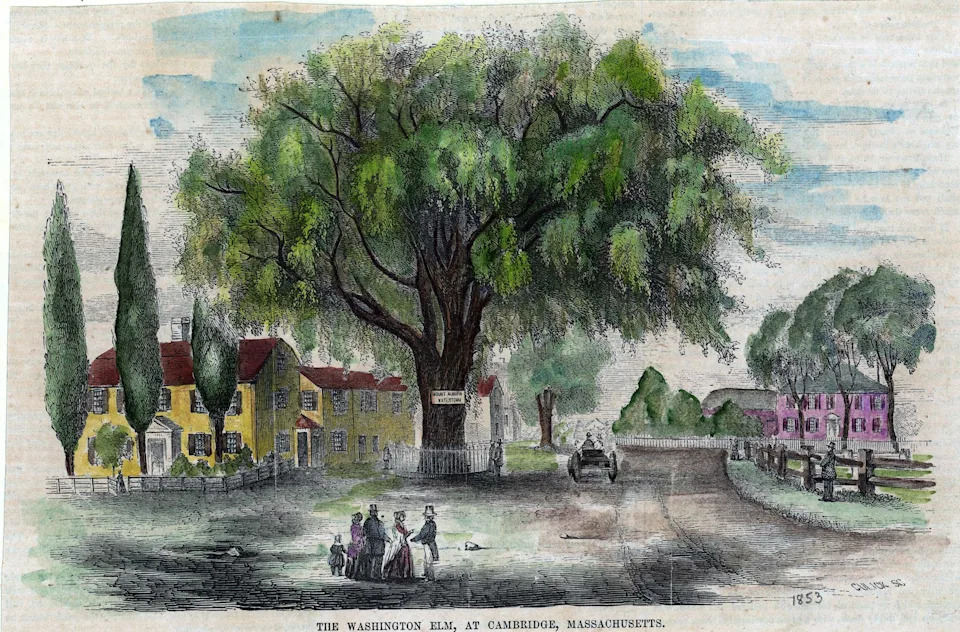
An 1853 colored engraving of the Washington Elm in Cambridge, Massachusetts.
Why This Matters
American elm (Ulmus americana) once dominated floodplains from the Canadian Maritimes to East Texas with vase‑shaped canopies that provide shade, habitat and flood mitigation. Elms can mature quickly and live for centuries, helping slow and absorb floodwaters — a growing need as climate change increases extreme storms and floods. Restoring elms would also recover niche habitat for species adapted to elm leaves and canopy structure.
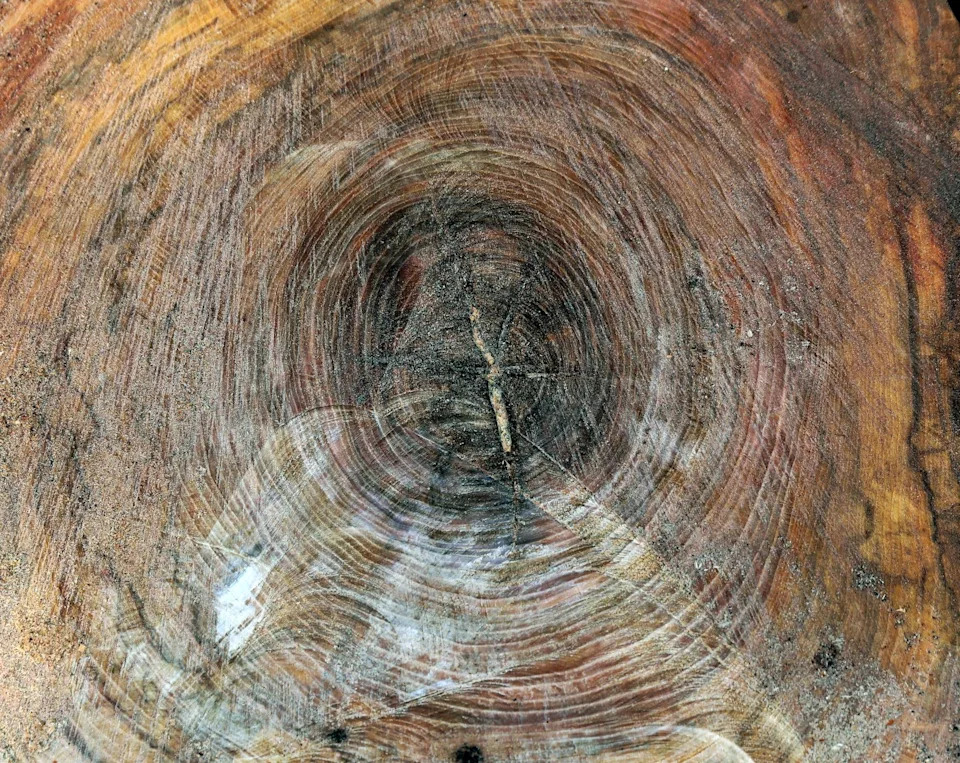
Rings are pictured in the trunk of an elm tree in Boston in 2017. Planted in the 1880s, the tree was taken down after succumbing to Dutch elm disease.
History Of The Plague And Past Efforts
DED, caused by fungi in the Ophiostoma group, was described in 1922 and spread worldwide, reaching North America within decades. A more aggressive strain, Ophiostoma novo‑ulmi, arrived mid‑20th century and is blamed for killing an estimated 100 million elms. Past breeding efforts (including the U.S. National Arboretum's selections that produced cultivars such as 'Valley Forge' and 'New Harmony') demonstrated that tolerance exists but that available cultivars provide limited genetic diversity and sometimes structural weaknesses.
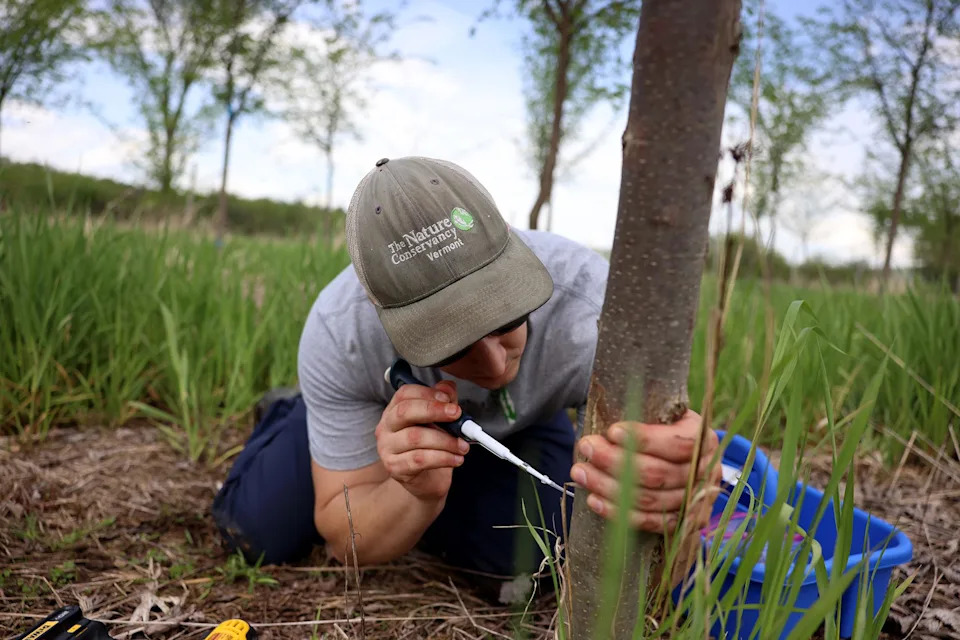
A conservation information manager for The Nature Conservancy injects a young elm with Dutch elm disease on May 19, 2026.
Selection Strategy And Timeline
This trial builds on decades of collecting survivor cuttings and traditional crossbreeding. Scientists gathered material from survivor trees across New England, raised offspring (about 53 parental lines were used) and planted test cohorts in Vermont and Ohio. After at least two years of monitoring, researchers will identify the parents whose progeny show the strongest, most consistent tolerance. The best candidates will be cloned and planted in a new "super" seed orchard; it may take another 10–15 years for those trees to produce seed at scale.
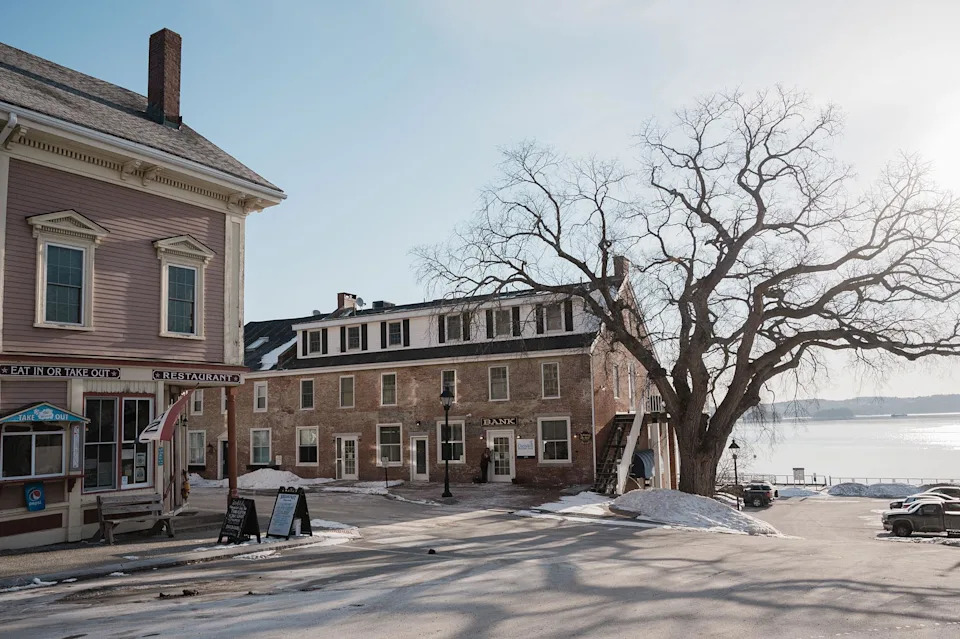
An old-growth elm trees that survived Dutch Elm Disease grows in Castine, Maine, as seen in February 2022.
Standards, Ethics And Risks
Researchers emphasize they are selecting for tolerance — the ability to survive repeated exposures — rather than absolute immunity. For floodplain restoration they aim for a much higher standard than many current cultivars: closer to 97 percent survival under repeated challenge, rather than the ~90 percent often cited. Scientists also stress avoiding past mistakes: restored elms should not recreate a monoculture. Diversifying tree species in landscapes remains a key safeguard against future pests and pathogens.
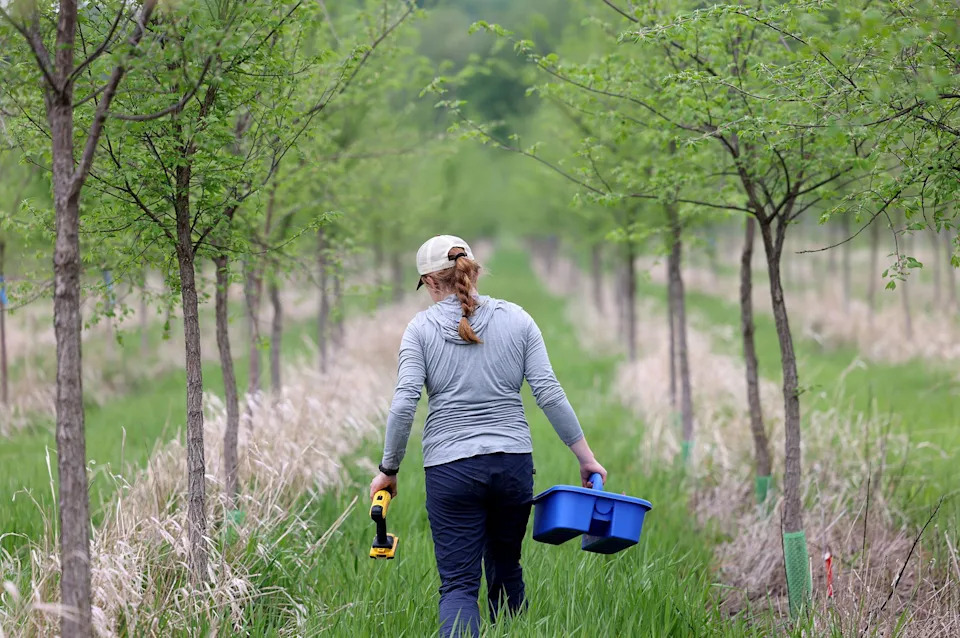
A land management fellow with Thee Nature Conservancy walks down a row of young elms as she works to inoculate each one with Dutch elm disease on May 19, 2026.
The trial has emotional and ethical dimensions. Field scientists described feeling a pang of remorse as they inoculated young trees, but say the sacrifice is aimed at preserving the species and repairing a kind of moral injury caused by near‑extinction.
Initial assessments showed a range of responses to inoculation, with roughly 800 trees not yet showing symptoms several weeks after injections — an early and cautiously hopeful sign. The site is protected by fencing to prevent deer browsing while the experiment proceeds. For now, veteran elms like the local "Benson tree" keep watch as researchers test whether a new generation of tolerant American elms can arise from this deliberate and carefully monitored trial.
"There's kind of like a moral injury of extinction," one researcher said, describing the motivation behind this difficult but hope‑filled experiment.
Help us improve.