The Ebola outbreak in the Democratic Republic of Congo has become the fastest on record, with nearly 2,500 cases and over 1,000 deaths caused by the Bundibugyo strain, which currently has no approved vaccine. Experts warn that about 80% of new Ebola cases were previously untracked, and a Phase One vaccine trial at the University of Oxford began two weeks ago. In New York City, a Legionnaires' cluster on the Upper East Side has reached 82 cases and five deaths; live Legionella was identified in 34 cooling towers, and source confirmation may take weeks.
Ebola Deaths Top 1,000 as Congo Outbreak Surges; NYC Legionnaires Cluster Reaches 82 Cases — Expert Explains

Ebola deaths top 1,000, NYC Legionnaires cases hit 82: Doc explains both outbreaks
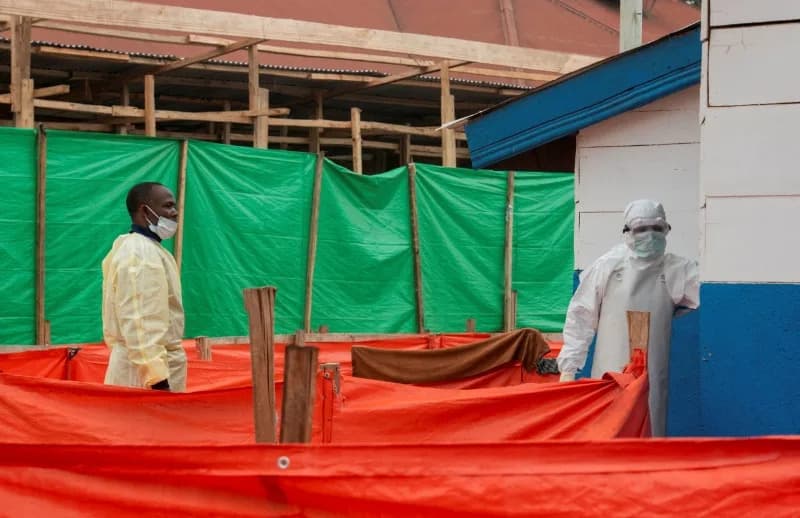
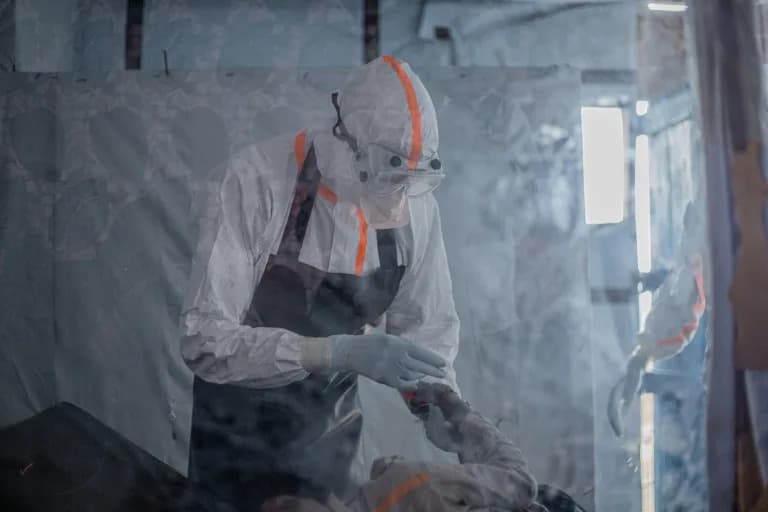
The Ebola outbreak declared on May 15 in the Democratic Republic of Congo has accelerated into the fastest-moving Ebola epidemic on record, health authorities say. Officials report nearly 2,500 suspected and confirmed cases and more than 1,000 deaths, with over 700 patients currently hospitalized or isolated.
Ebola Situation in the DRC
According to the Africa Centers for Disease Control and Prevention and the DRC Ministry of Health, the epidemic is being driven by the Bundibugyo strain. Unlike the Zaire strain involved in many past outbreaks, Bundibugyo currently has no approved vaccine or proven treatment, complicating response efforts.
“This is a perfect storm of multiple different factors colliding together,”
said Dr. Syra Madad, an infectious-disease epidemiologist at the Harvard Belfer Center. She told NewsNation reporter Jesse Weber that the virus appears to have circulated for weeks before being reported to the World Health Organization, shortening the time health teams had to respond. Ongoing armed conflict and large-scale displacement in affected regions have also made containment and contact tracing much harder.
Dr. Madad warned that about 80 percent of newly confirmed cases are not on any known contact list, a sign that undetected chains of transmission are spreading within communities. A Phase One vaccine trial targeting the Bundibugyo strain began at the University of Oxford two weeks ago, but experts say it is unlikely to affect the current outbreak in the near term.
Legionnaires' Cluster on New York City’s Upper East Side
Separately, New York City health officials continue to investigate a cluster of Legionnaires' disease on the Upper East Side. The city has recorded 82 cases and five deaths since the cluster was confirmed three weeks ago; eight patients remain hospitalized. Officials reported no new cases in the past 10 days.
Legionnaires' disease is a bacterial pneumonia caused by Legionella spp., typically transmitted through contaminated water systems rather than person-to-person. City investigators say they have found live Legionella bacteria in 34 cooling towers across 33 buildings, and those towers have since been cleaned. Determining the precise source requires culturing bacteria and genetically or bacteriologically matching isolates to patient samples — a process that can take weeks.
Public Health Implications
Public-health experts emphasize continued surveillance, rapid testing, and clear communication with affected communities. For Ebola, the combination of an unfamiliar strain, delayed detection, insecure environments and high numbers of unlisted cases increases the risk of continued spread. For Legionnaires', authorities recommend maintenance of building water systems and timely testing to prevent further cases.
Help us improve.