When Najwa Abu Atiwi regained consciousness on October 11, 2024, after weeks in a coma, her first wish was simple and human: to see her own face. The 42‑year‑old from Nuseirat camp in central Gaza sensed something had changed but did not yet know how severely an air strike had altered her appearance.
Family members and medical staff delayed showing her the extent of her injuries until they felt she could cope. Only later did doctors explain that she had lost one eye and that the other had suffered internal bleeding and damage. Severe facial fractures and wounds left her feeling like a stranger in the mirror.
“I looked at myself and did not recognise who I was. I felt as if I was looking at someone else,” Najwa says.
Surgeries, Reconstruction and Ongoing Limits
Najwa has undergone multiple operations. Surgeons have placed metal plates and meshes to stabilise facial bones, but she still struggles to open her jaw, speak clearly and eat normally. Her diet is largely restricted to soups, juices and liquids while she waits for additional specialised care.
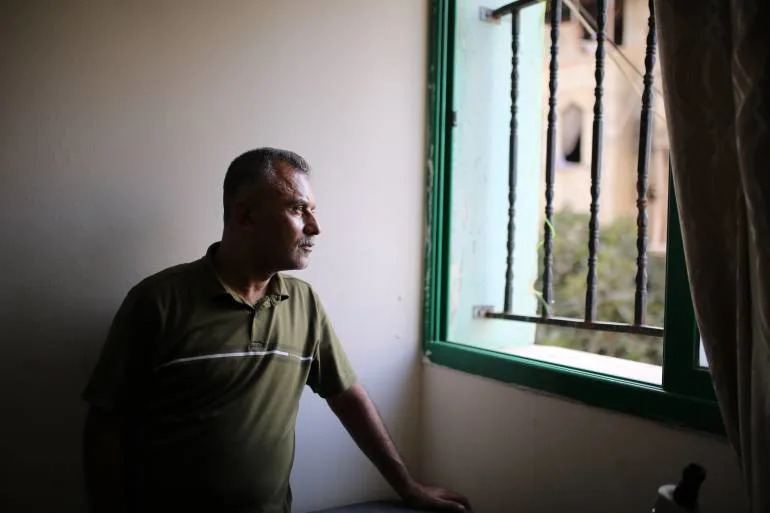
Dr Ayman Saidam says that Najwa will struggle to receive the treatment she needs in Gaza, because of the medical supply shortages in the enclave [Lina Ghassan Abu Zayed/Al Jazeera]
Dr Ayman Saidam, a consultant in oculoplastic surgery, describes her wounds as among the most complex he has treated: loss of the right eye, torn eyelids and orbital fractures that also leave the remaining eye at risk. He stresses that reconstruction must begin with maxillofacial restoration—rebuilding the skeleton of the face and jaw—before cosmetic or prosthetic work such as an artificial eye can be considered.
“Facial reconstruction is staged and depends on the success of each prior operation,” Dr Saidam says. “In Gaza, we have skilled clinicians, but repeated shortages of equipment, implants and essential medical supplies slow or block many treatment stages.”
Barriers To Further Care
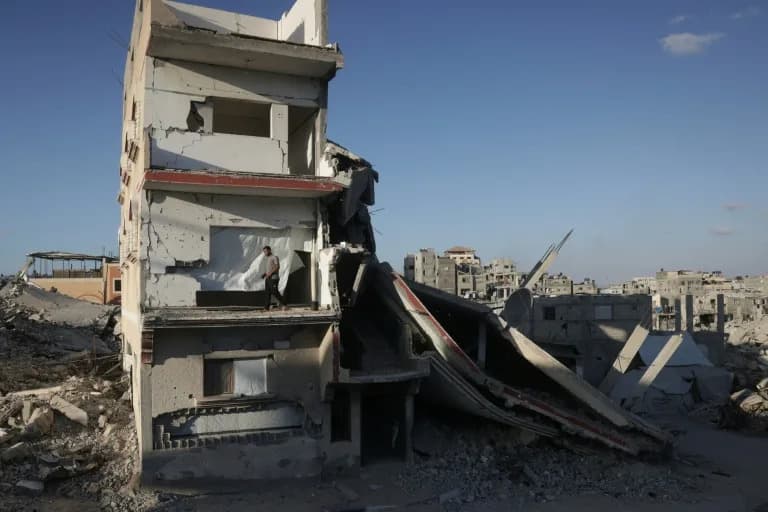
Doctors have referred Najwa for procedures unavailable locally, but she must wait for permission to travel outside Gaza. Medical teams and aid agencies cite restrictions on imports and persistent damage to health infrastructure as key obstacles to delivering specialised reconstruction and long‑term rehabilitation to many patients.
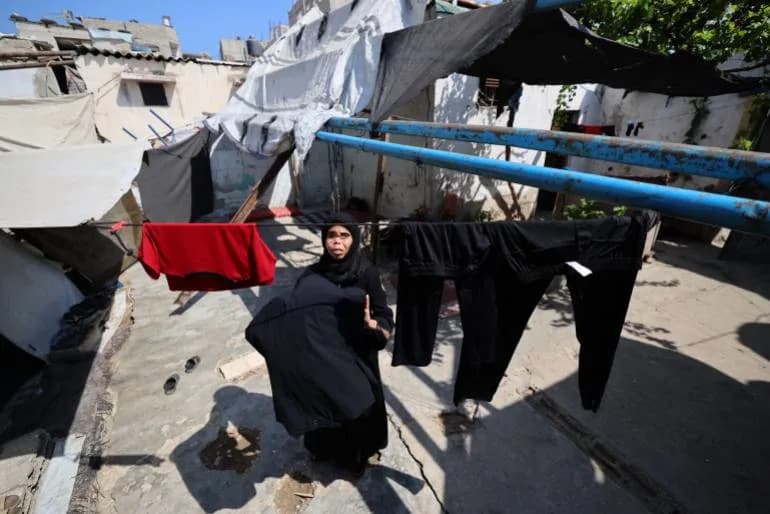
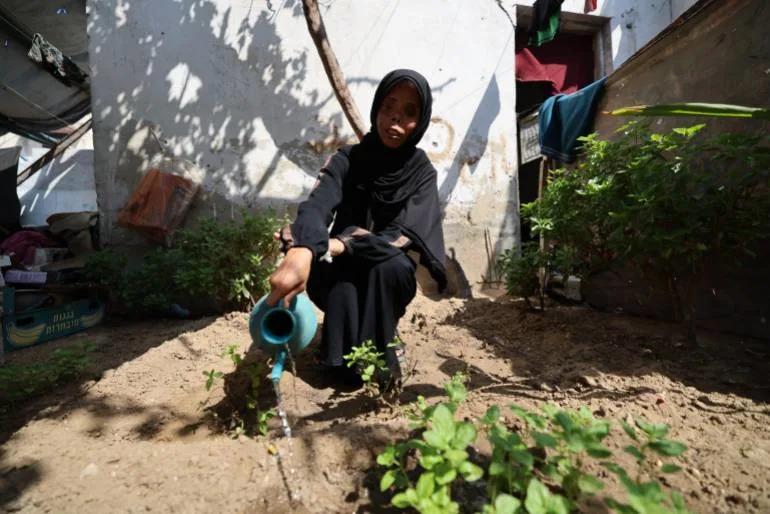
Najwa Abu Atiwa is trying to move on with her life, but she is struggling to get past the suffering she has faced [Lina Ghassan Abu Zayed/Al Jazeera]
According to World Health Organization figures cited in reporting on Gaza, about a quarter of recorded injuries there are life‑changing, and more than 50,000 people require long‑term rehabilitation services, including amputations, severe burns and complex blast trauma.
Psychological Impact
Najwa’s physical injuries were compounded by a deeper loss: her six‑year‑old daughter, Hajar, died in the same strike that brought Najwa to hospital. Najwa spent weeks in intensive care and dreamed of her child, repeatedly asking caregivers whether Hajar was safe; she was later told the child had been killed. She never had a chance to say goodbye.
Dr Hassan Abu Shawish, a psychologist at Deir el‑Balah Mental Health Clinic, says Najwa’s case is particularly complicated because it combines severe physical trauma, bereavement and a dramatic change in appearance. Survivors with facial disfigurement often face PTSD, depression, anxiety and body‑image disturbance; psychological care is essential alongside surgical reconstruction.
Life After the Strike
Before the strike Najwa worked, socialised and was surrounded by family. Now she is rebuilding daily life while carrying deep grief and ongoing functional limitations. She dreams of her daughter and holds on to hope that further treatment will restore some function, appearance and confidence.
“I want to return to my previous life and regain the beautiful personality I used to know in myself,” Najwa says.
Her story is one of many in Gaza: complex, staged medical care, enormous psychological costs and major gaps between needs and available local capacity. For Najwa and thousands like her, the path to recovery is long and depends as much on access to specialised care and supplies as on skilled clinicians.