Deb and Jay MacDonald of Regina were identified as the two people killed in a bear attack at their remote McTavish Lake cabin. RCMP responded on July 15 to the fly-in site about 56 miles (90 km) north of La Ronge, and conservation officers later located and euthanized the bear believed responsible. Officials stressed that remoteness can delay emergency help and urged visitors to secure food, remove attractants, carry bear spray and maintain a communication plan.
Regina Couple Identified After Rare Fatal Bear Attack at Remote Saskatchewan Cabin
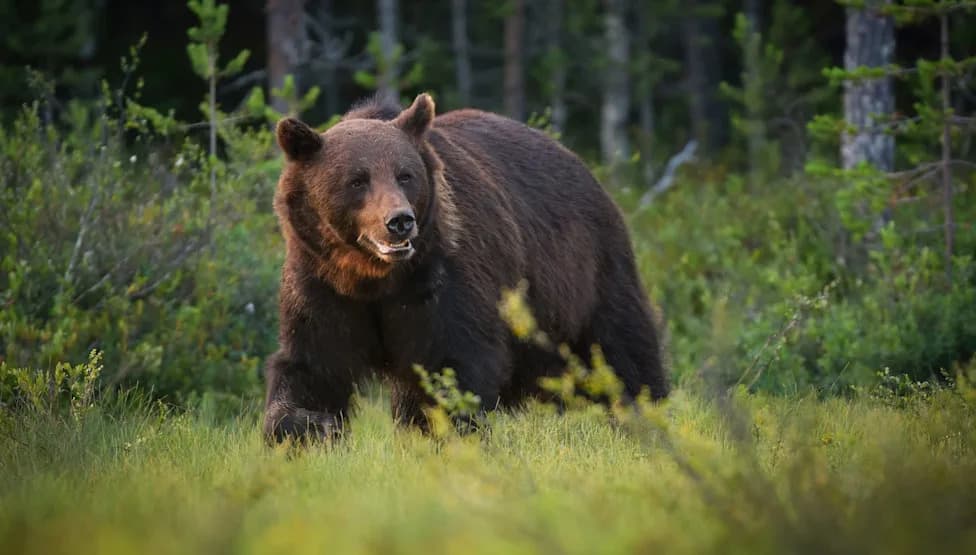
Photo Credit: iStock
Canadian authorities have identified the victims of a deadly bear attack at a remote cabin on McTavish Lake as Deb and Jay MacDonald of Regina. The couple were found dead after La Ronge RCMP responded to a call for service on July 15 at the fly-in site about 56 miles (90 km) north of La Ronge.
Details of the Incident
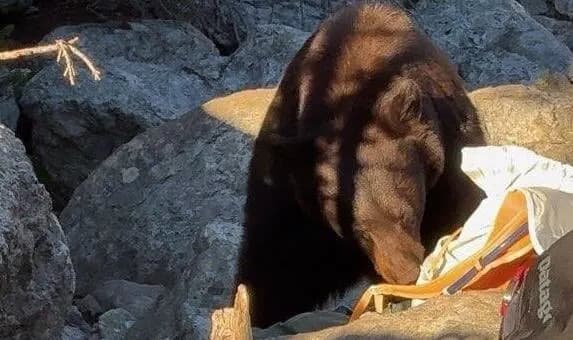
Local investigators determined a bear was involved in the attack. Conservation officers later located the animal believed to be responsible and euthanized it, which officials say is standard when a wild animal is considered an ongoing public-safety risk. Authorities initially withheld the victims' names while inquiries were ongoing.
Why Remote Locations Increase Risk
McTavish Lake is accessible only by air, and such remoteness can delay emergency response and limit access to immediate medical care. Fatal bear attacks are rare, but when they occur they are among the most serious dangers for people in isolated outdoor settings.
Preventing Dangerous Encounters
Many conflicts occur when people enter or remain in bear habitat, and attractants—cabins, campsites, food waste, fish remains and poorly stored supplies—can draw bears to human areas. Wildlife officials and experts recommend:
- Store food securely in approved containers or well-sealed locations away from sleeping areas.
- Remove garbage promptly and never leave fish or animal remains near campsites or cabins.
- Keep cooking areas clean and avoid leaving attractants outdoors.
- Carry bear spray and know how to use it; make noise when moving through dense brush or low-visibility terrain.
- Have a communication plan and consider satellite devices where cell service is limited.
According to WTHR 13, this is the second fatal bear attack reported in Saskatchewan this year. Authorities have described Saskatchewan as established black-bear habitat, but they have not publicly confirmed the species or motive in this incident.
No single precaution eliminates risk entirely, but reducing attractants and preparing for emergencies can significantly lower the odds of a tragic encounter.
Help us improve.