The House narrowly approved its fiscal 2027 NDAA, backing a $1.15 trillion Pentagon package amid fierce debate over U.S. operations in Iran. The bill passed 216-212 and includes a proposed rename of the Defense Department, a 5%–7% military pay raise, higher active-duty troop levels and a mandate to revert nine Southern base names per 2023 recommendations. Lawmakers remain divided over costs and war funding as the measure heads to House-Senate negotiations and a potential presidential signature.
House Approves $1.15 Trillion NDAA in Narrow Vote Amid Debate Over Iran War
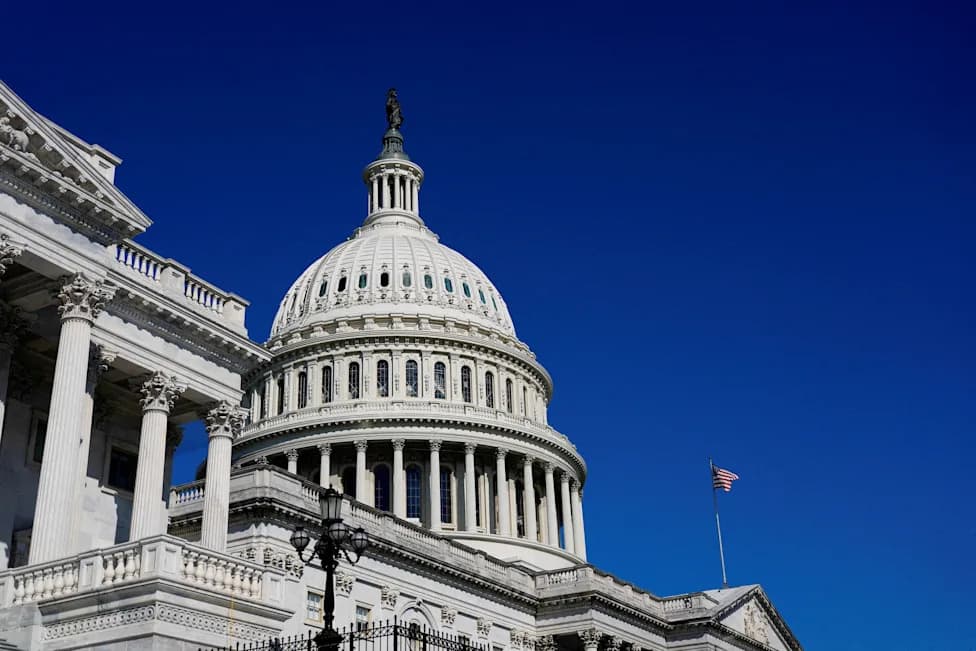
A view of the dome of the U.S. Capitol building on Capitol Hill in Washington, D.C., Sept. 19, 2025. (Kent Nishimura/Reuters)
The U.S. House of Representatives narrowly approved its version of the fiscal 2027 National Defense Authorization Act (NDAA) on Wednesday, endorsing a $1.15 trillion Pentagon policy and spending package as lawmakers sparred over U.S. involvement in the war in Iran.
The measure passed 216-212, with three members abstaining. A large majority of House Republicans (209) supported the bill while 205 Democrats voted against it; seven Republicans and six Democrats broke with their party. The legislation now moves to inter-chamber negotiations with the Senate before a final compromise can be sent to the White House.
Key policy provisions in the House bill include a proposed directive that would have the Department of Defense adopt an official name change to the "Department of War," a 5%–7% pay increase for military service members, an expansion of active-duty force levels, and a mandate to revert the names of nine Southern military bases to the recommendations issued in 2023 to remove Confederate honorifics.
Supporters argued the package is necessary to maintain U.S. military readiness and national security at home and abroad. Critics countered that the bill’s size and continued financing of the Iran war risk worsening the federal deficit and burdening taxpayers during a period of economic strain.
"Most of that [new deficit] spending is for President Trump's Iran war, a reckless decision with absolutely no plan on how to achieve victory," said Rep. Brendan Boyle (D-Pa.), the House Budget Committee ranking member, during floor debate.
"The Democrats have gone on time and time again with this unprecedented obstruction," said Rep. Jodey Arrington (R-Texas), the Budget Committee chair, accusing Senate Democrats of blocking that chamber's version last week.
Defense Secretary Pete Hegseth told senators the Iran conflict has cost the Department of Defense about $37.5 billion to date; he appeared before the Senate seeking roughly $67.1 billion in supplemental funding for the Iran war and other DoD needs.
What happens next
Each year the House and Senate pass separate NDAA texts; negotiators from the respective Armed Services committees then reconcile the bills into a compromise version that must be voted on again in both chambers. If the final text is approved by Congress, it will be sent to President Trump to sign into law or to veto.
The NDAA has historically been considered "must-pass" legislation and has become law for 65 consecutive years, but this year's proposal faces heightened partisan division over budget size, ongoing military operations in Iran, and foreign assistance to partners such as Israel and Ukraine.
Reporting contributed by Reuters.
Help us improve.