The Grappler is a bumper-mounted net designed to stop fleeing vehicles and reduce deadly police chases, but fewer than 1,000 units are in service across roughly 70 U.S. agencies. Upfront costs are about $7,000 per cruiser plus mounting, while each deployment requires a $325–$400 single-use net. Departments balance these costs and operational limits — welding to specific cruisers, a ~5-minute reload time and limited unit numbers — against alternatives like GPS darts, while pursuit policies cap Grappler use at conservative speeds.
The Grappler: The Bumper-Mounted Net That Can End Pursuits — So Why Don’t More Police Use It?
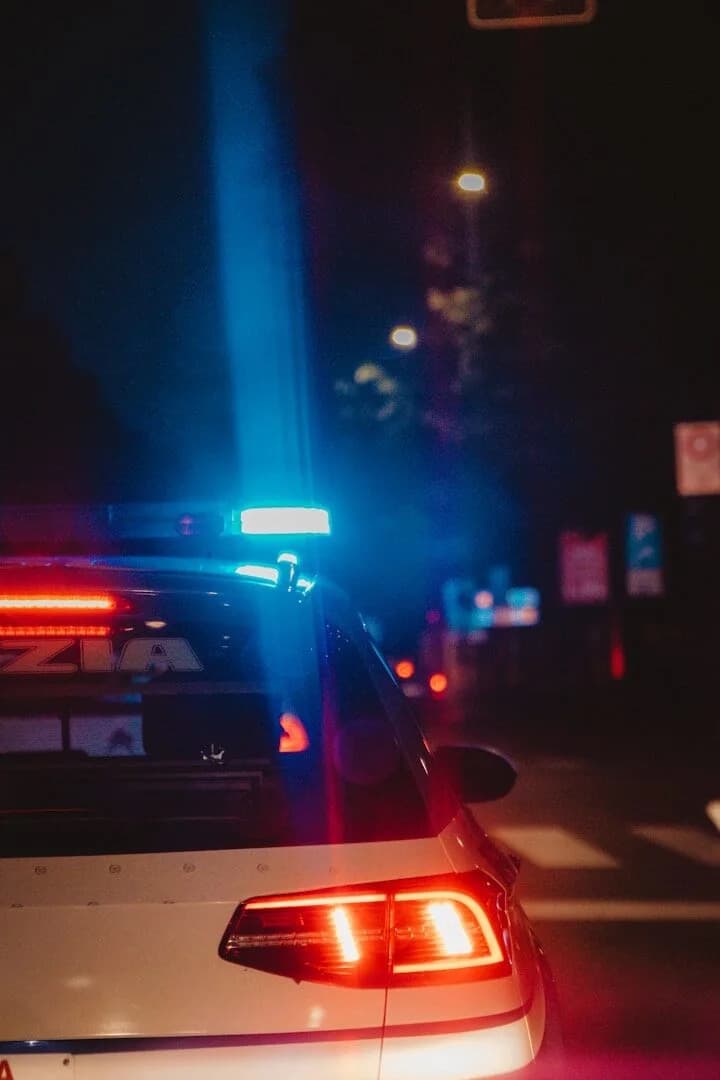
The Grappler Was Built To End Deadly Police Chases. Almost Nobody Actually Has One
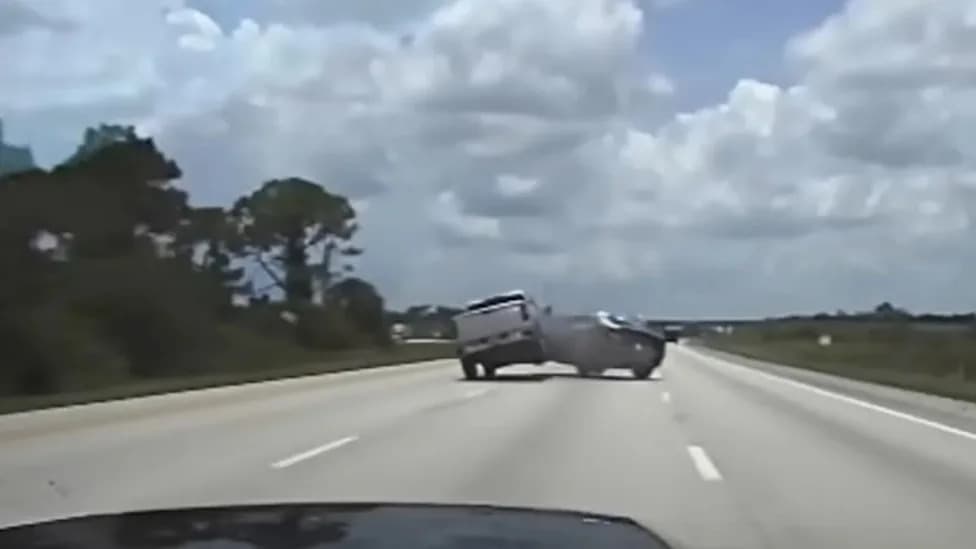
In June 2023 in Mesa, Arizona, an Arizona Department of Public Safety sergeant used a bumper-mounted device called the Grappler Police Bumper to wrap nylon webbing around a fleeing suspect's rear tire and stop a pursuit after the driver had struck a pedestrian. The dashcam clip is dramatic, but the video is only the opening scene of a more complex story about cost, logistics and policy.
From Garage Prototype To Tactical Product
Stock Enterprises, based near Phoenix, produces the Grappler. Founder Leonard Stock says the idea began after watching a televised chase end badly for an innocent motorist; he welded a prototype to his pickup and tested it on a desert road. The company went beyond building a net launcher: it designed the unit to resemble a bull bar so it can be mounted on marked or unmarked cruisers without immediately signaling its purpose. Stock Enterprises also does not publish a public list of customers and shares deployment details only with verified government contacts, arguing concealment prevents suspects from adapting.
Costs And Consumables
The upfront hardware and training cost reported to Thurston County, Washington, is about $7,000 per cruiser, plus roughly $600 for mounting. Those are largely one-time capital expenditures, but the net is single-use: replacement webbing runs about $325 to $400 per deployment. That recurring charge distinguishes the Grappler from many classic tactics — a PIT maneuver has no consumable cost, and spike-strip elements are cheap — and inserts a per-deployment line item into the calculus of whether to deploy the device.
Alternatives And Tradeoffs
Thurston County compared the Grappler with StarChase, a GPS dart-tagging system that lets deputies track a fleeing vehicle remotely. StarChase costs about $5,642 per unit plus roughly $1,500 per vehicle per year for tracking darts. The county sheriff called the Grappler "more rudimentary," which accurately captures the contrast between a bumper-mounted net and remote tracking technology. In many real-world chases, however, pursuits still end in roadside collisions rather than with high-tech interventions.
Policy, Speed Limits And Safety
Public demos for the Grappler showcase highway-speed scenarios, sometimes with targets going above 100 mph. Agencies that adopt the device tend to constrain use more tightly. Frisco, Texas, notes that at 45 mph a Grappler-engaged vehicle needs roughly 225 feet to stop, a distance departments must plan for; several agencies, including the New Mexico State Police, advise against deploying the device above 45 mph because risk increases. That gap between marketing claims and departmental use-of-force policy underscores how demonstrations and operational guidance differ.
Why Departments Hesitate
By Stock Enterprises' account, roughly 1,000 Grappler units are in service at about 70 U.S. agencies. That sounds sizable until it is compared with nearly 18,000 state and local law-enforcement agencies nationwide. Departments that decline Grapplers typically cite training demands, response timelines and budget constraints rather than doubts about the device's effectiveness. Practical limits matter: a Grappler must be welded to a specific patrol car ahead of time, takes about five minutes to reload after each use, and many agencies buy only one or two units. That makes availability opportunistic — the right cruiser must be in the right place at the right time for the Grappler to be used.
Context: Pursuit Fatalities And Tradeoffs
A federal analysis published in JAMA Network Open using NHTSA's Fatality Analysis Reporting System found police pursuits killed an average of 423 people per year in the U.S. from 2009 through 2023. The adjusted fatality rate rose roughly 2 percent annually even as overall U.S. traffic deaths leveled off; nearly 90 percent of fatal pursuit crashes occurred on ordinary city streets, 70 percent happened at night, and about 4 percent of those killed were uninvolved bystanders. Those are the local, everyday tragedies that departments hope new tools can reduce.
Every Tool Has Risks
No pursuit-intervention is risk-free. Reporting has documented dangerous outcomes from reverse-PIT counterattacks, spike strips that spun stolen vehicles into uninvolved drivers and other unintended harms. The Grappler's selling point is that, compared with other options, documented injuries tied to its use appear relatively low — but tradeoffs in cost, coverage and policy remain.
Bottom Line
The Grappler can and has ended dangerous pursuits cleanly. Yet its limited adoption reflects a mix of per-use costs, pre-positioning constraints, training requirements and conservative policy choices. The dramatic dashcam moment — a net swallowing a tire — is only the start. The pursuit truly ends later, when a supervisor approves a replacement-net invoice, a city or county decides to fund the device, and a department accepts the practical limits of a tool that only helps when it happens to be nearby.
Help us improve.