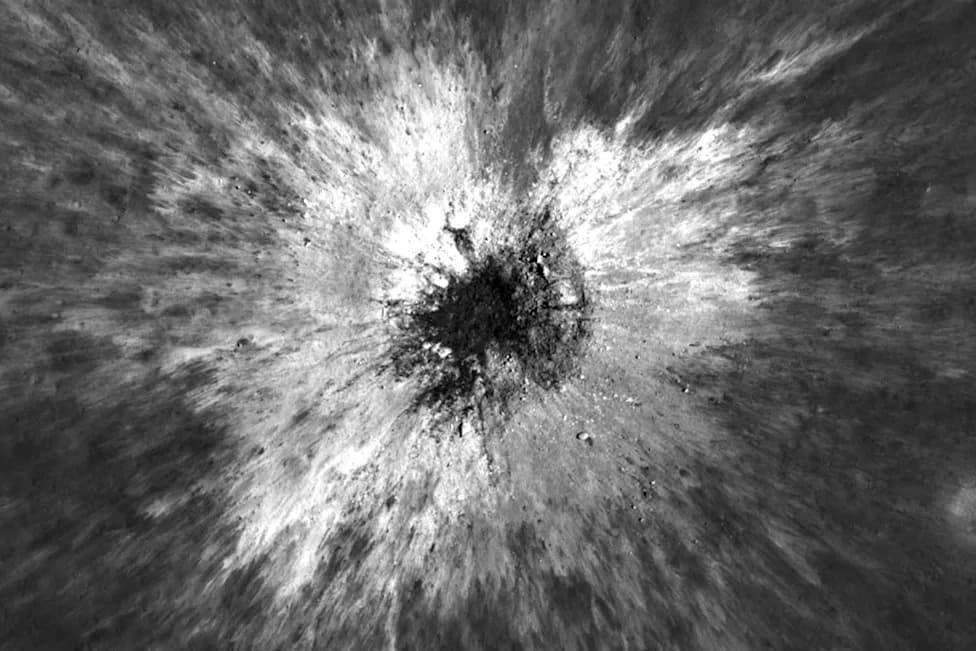
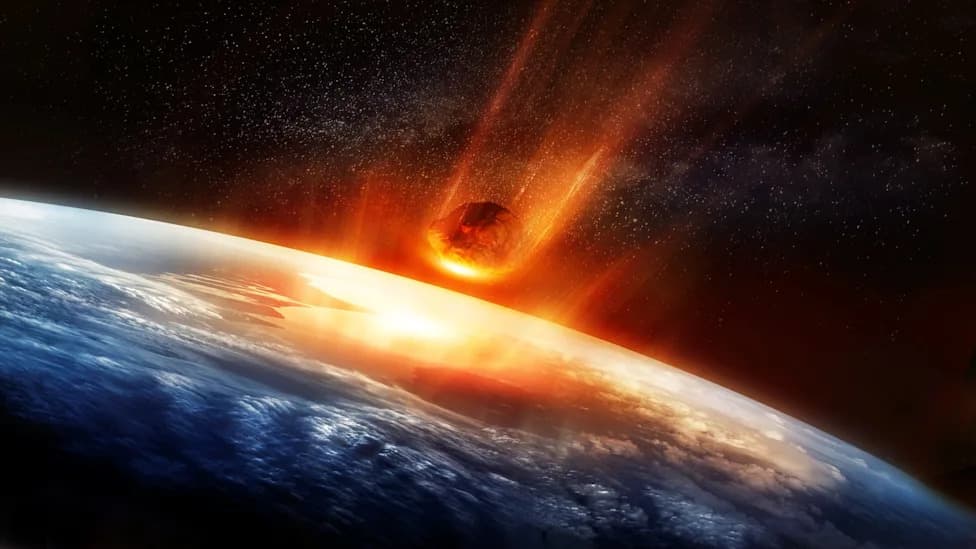
An amateur astronomer, Joël Lapointe, spotted a 15.5-mile-wide circular depression on Google Maps while planning a trip in late 2023. Field teams that visited the remote Quebec site in 2025 found shatter cones and impact melt rock—evidence indicating a meteorite strike that likely occurred about 390 million years ago. The structure, named Uhackatik after consultations with the Ekuanitshit Innu Council, may be one of the largest craters identified recently. Researchers will present findings at the Meteoritical Society meeting in Germany and continue laboratory analyses before publishing a full report.
Google Maps Hike Route Reveals Massive 390-Million-Year-Old Meteorite Crater in Quebec

A Google Maps search may have uncovered an ancient meteorite crater
An ordinary Google Maps search for hiking routes led an amateur astronomer to a remarkable geological find: a roughly 15.5-mile-wide (about 25 km) circular depression in Quebec that researchers now say is likely an ancient meteorite impact crater.
How It Was Found
Joël Lapointe, an amateur astronomer from Quebec, noticed the striking round feature while planning a camping and road trip through the Côte-Nord region in late 2023, according to the Canadian Press. The formation lies roughly 62 miles (100 km) north of the town of Magpie. After failing to find the feature in known crater databases, Lapointe contacted researchers, which set a formal investigation in motion.
Field Investigation And Evidence
The discovery reached Gordon Osinski, a planetary geologist at Western University who oversees the Impact Earth database, where the public can submit possible crater reports. Although initially skeptical, Osinski and other researchers visited the remote site in 2025 by float plane and conducted detailed fieldwork under very rugged conditions.
Scientists reported finding shatter cones—cone-shaped fractures in rock formed by intense shock waves—and well-preserved impact melt rock, material created when the heat and pressure of an impact briefly melt surrounding rock. These features are widely accepted as definitive evidence of an ancient meteorite strike.
Name, Age And Significance
Following consultations with the Ekuanitshit Innu Council, researchers named the structure Uhackatik. Preliminary dating suggests the crater formed about 390 million years ago, during a period when primitive amphibians populated Earth and long before dinosaurs, mammals or humans existed.
Scientists note that well-preserved ancient craters are rare because erosion and tectonic activity typically erase impact signatures over hundreds of millions of years. If confirmed, Uhackatik would be among the larger impact structures identified in recent years and offers valuable comparisons for craters on the Moon, Mars and other rocky worlds.
Next Steps
Researchers plan to present details of the discovery at the 88th Annual Meeting of the Meteoritical Society in Germany in August. Laboratory teams continue microscopic and geochemical analyses of collected rock samples to gather additional evidence before publishing a full peer-reviewed report.
“This was one of the most arduous expeditions I’ve ever done,” said Gordon Osinski, reflecting on the challenging fieldwork. Joël Lapointe added: “It’s not every day that an ordinary citizen finds a 390-million-year-old crater.”
Citizen Science Highlight
The find underscores the role that attentive members of the public can play in scientific discovery. Public reporting platforms like Impact Earth help connect amateur observations with professional follow-up and analysis.
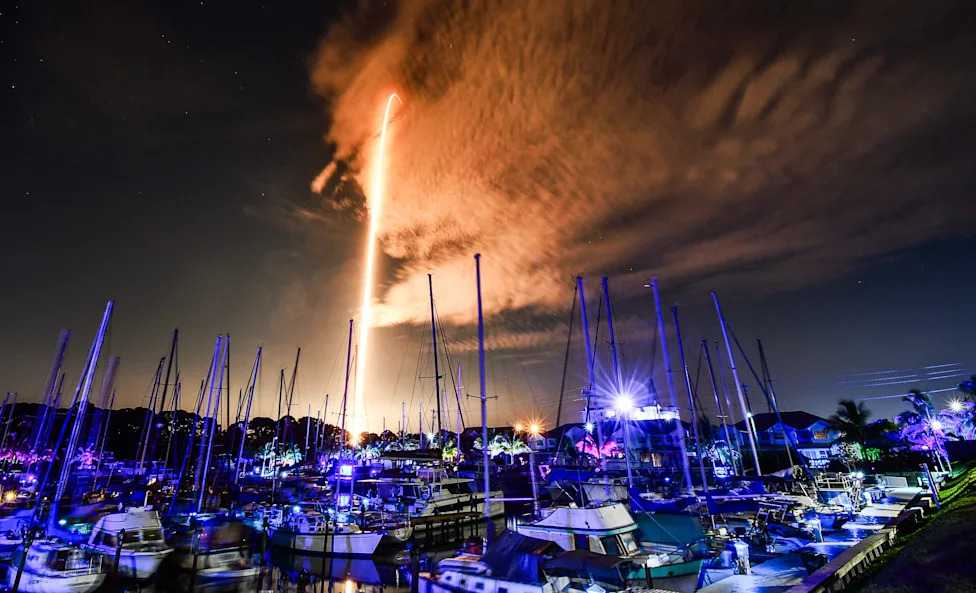
NASA and SpaceX teamed up to launch a Dragon spacecraft packed with science investigations, supplies and equipment to the International Space Station. Launch was at 2:45 a.m. Sunday, Aug. 24, 2025, from Launch Complex 40 at Cape Canaveral Space Force Station.(Malcolm Denemark/USA TODAY NETWORK)
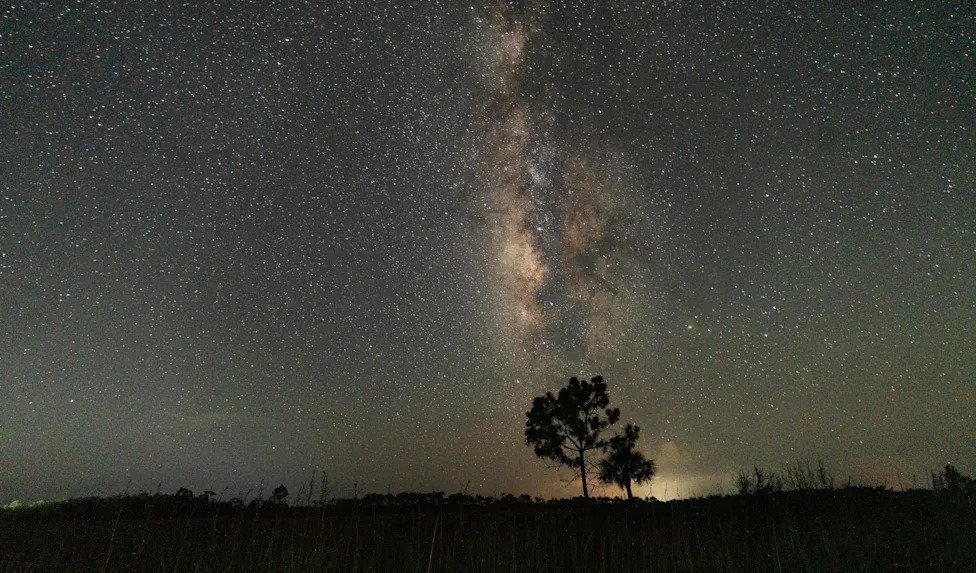
The Milky Way is seen over the Everglades on Wednesday, July 30, 2025. Photographed from Wagon Wheel Road near Turner River Road looking south to southwest.(Andrew West/USA Today Network)
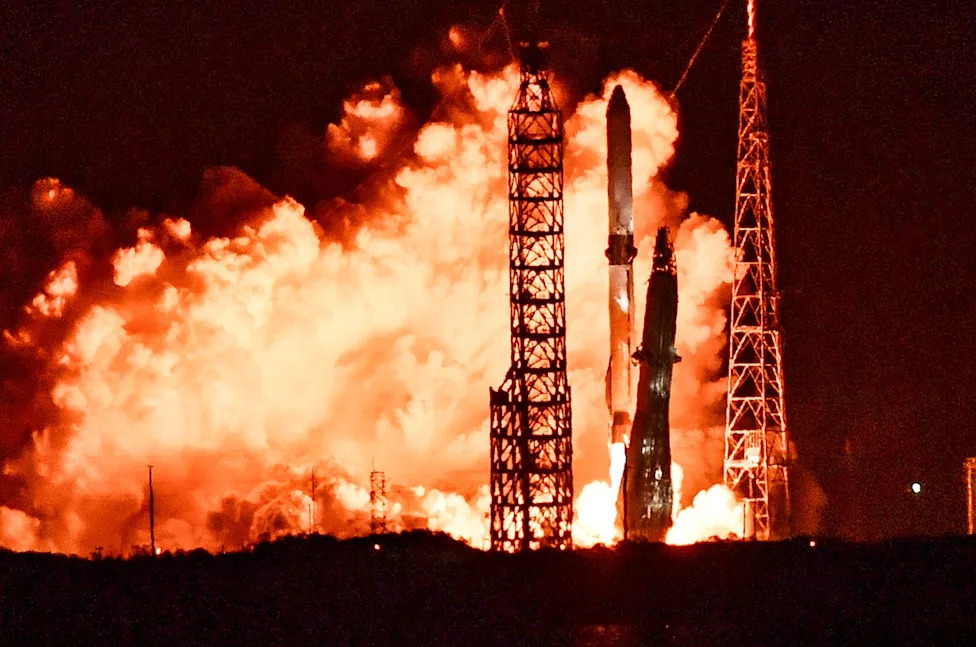
A Blue Origin New Glenn rocket lifts off on its inaugural launch from Cape Canaveral Space Force Station on Thursday, Jan. 16, 2025.(Craig Bailey/USA TODAY NETWORK)
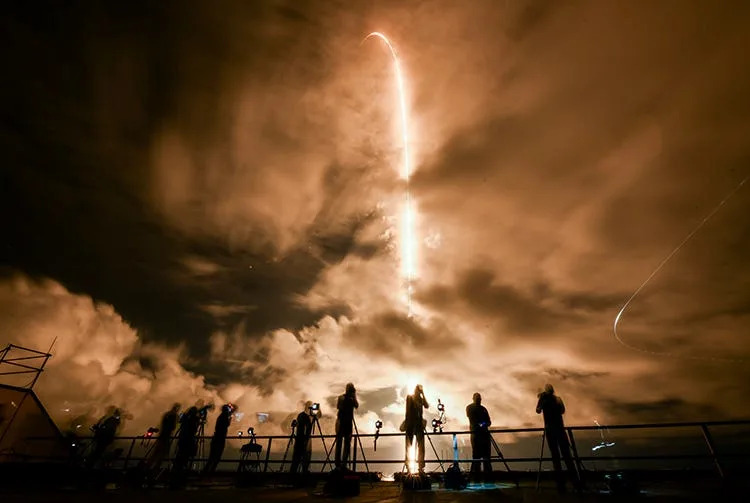
A SpaceX Falcon 9 rocket lifts off from Kennedy Space Center, FL, Tuesday morning, Sept. 10, 2024, carrying the crew of Polaris Dawn into space.(Craig Bailey/USA TODAY Network)
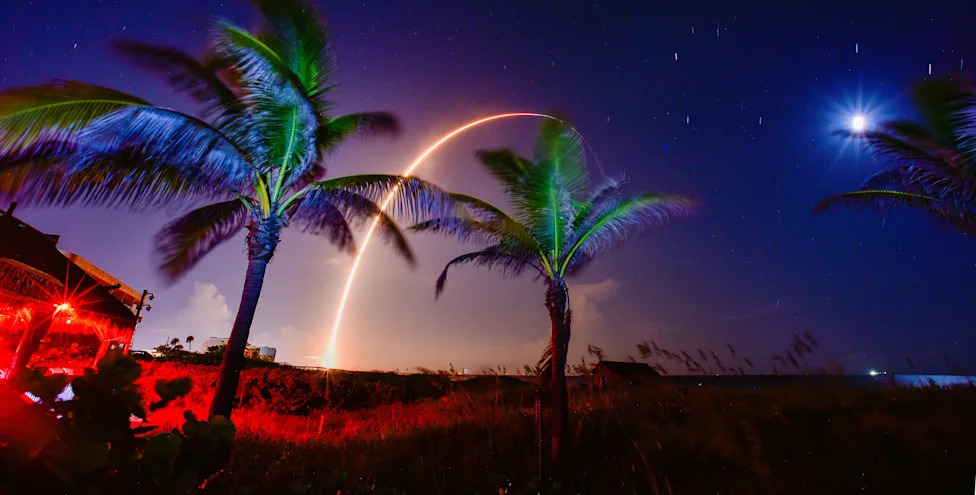
Launch of a SpaceX Falcon 9 rocket from Launch Complex 40 at Cape Canaveral Space Force Station on Wednesday, August 28th at 3:48 a.m. EDT. The rocket will launch a batch of 21 broadband satellites into low earth orbit.(MALCOLM DENEMARK/USA TODAY Network)
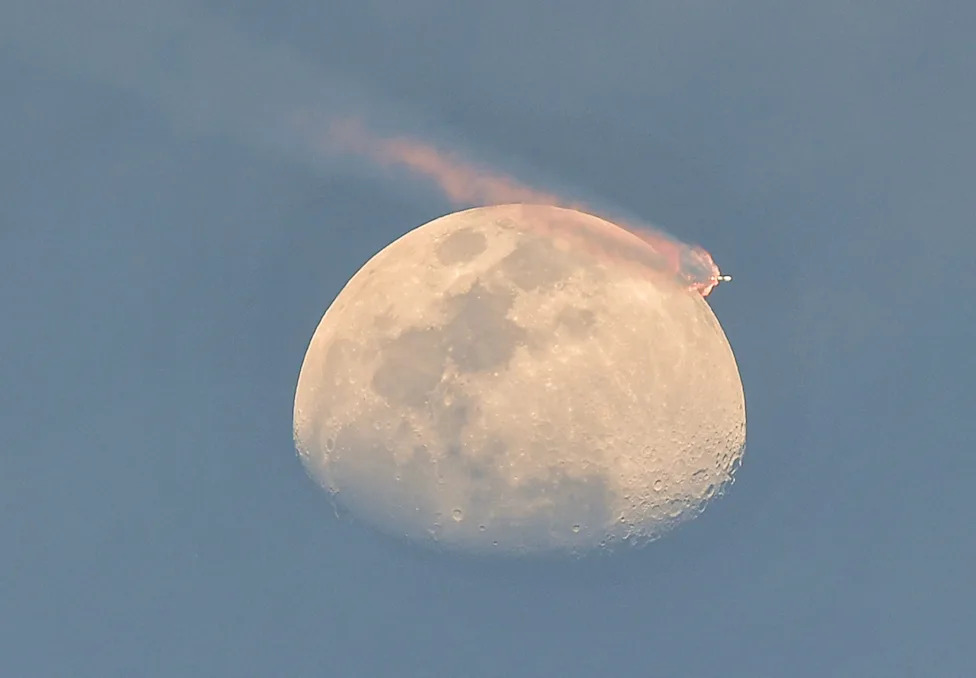
A SpaceX Falcon 9 rocket passes in front of the moon after liftoff from Cape Canaveral Space Force Station, Fla. on April 18, 2024. The rocket is carrying 23 Starlink satellites.(Craig Bailey/USA TODAY NETWORK)
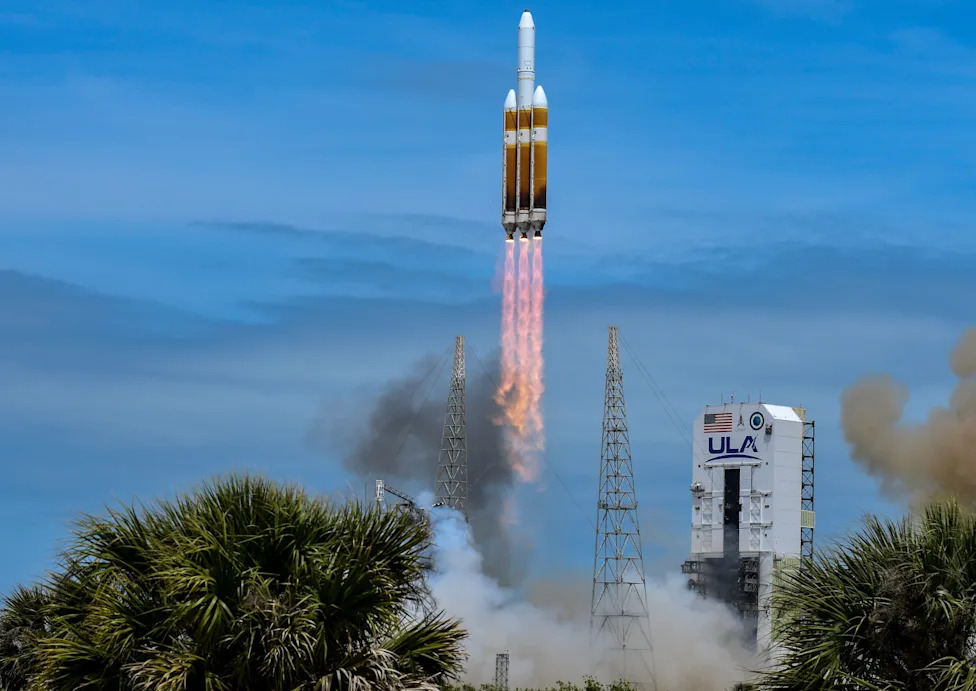
A United Launch Alliance Delta IV Heavy leaps from its launch pad at Cape Canaveral Space Force Station on Tuesday, April 9, 2024.(Craig Bailey/USA TODAY NETWORK)
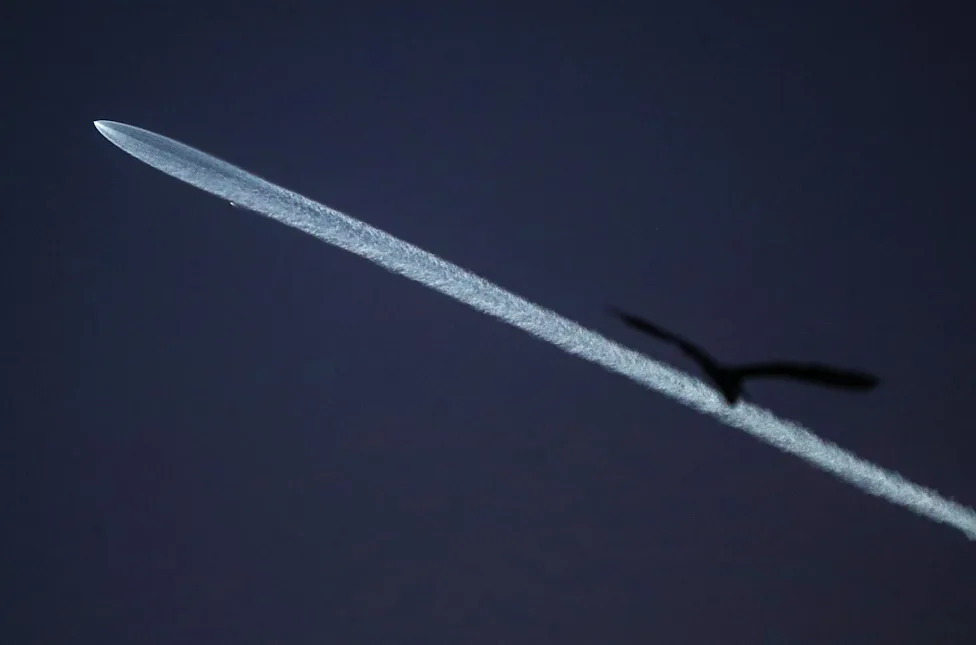
A bird passes in front of the SpaceX Falcon 9 rocket as it launches into low-Earth orbit over Southern California, April 1, 2024.(Jay Calderon/USA TODAY NETWORK)
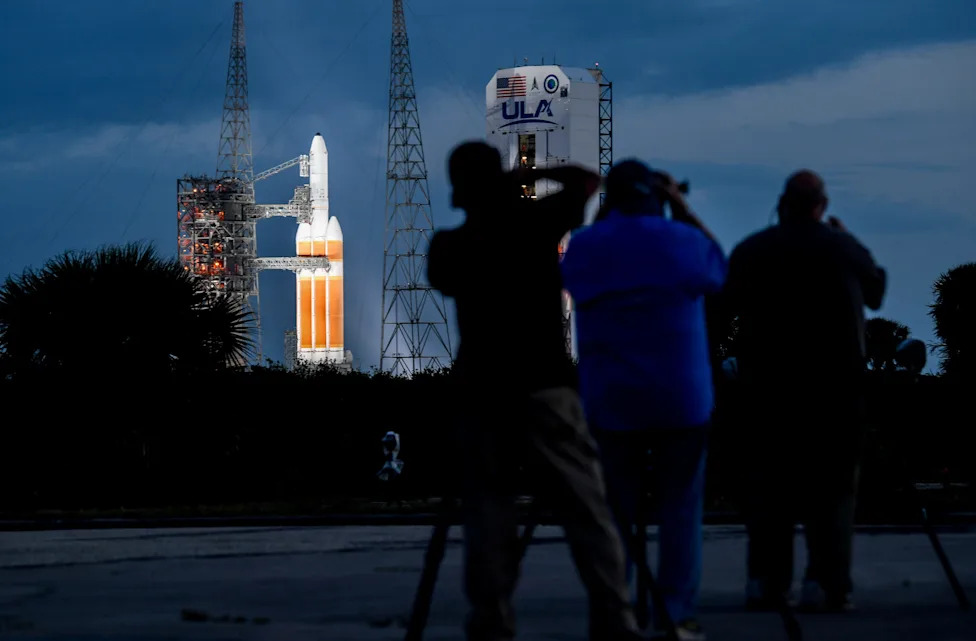
Members of the media watch and photograph a United Launch Alliance Delta IV Heavy as the service tower rolls back in preparation for launch on Thursday, March 28, 2024, from Cape Canaveral Space Force Station.(Craig Bailey/USA TODAY Network)
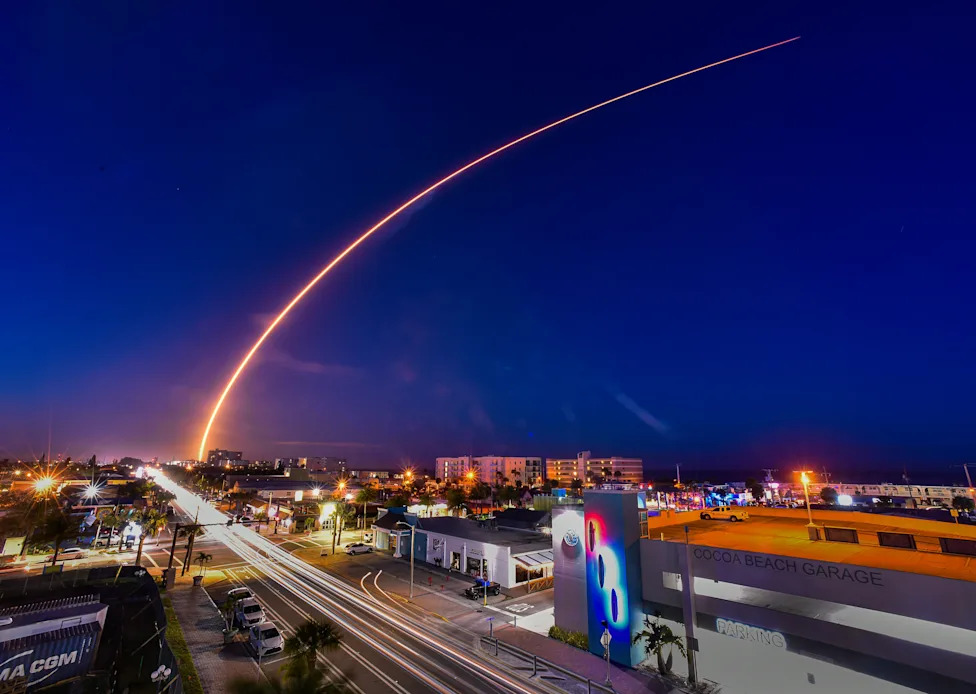
Launch of a SpaceX Falcon 9 rocket from Launch Complex 40 at Cape Canaveral Space Force Station on Monday, March 4, 2024. The rocket is carrying Starlink satellites on Mission 6-41. Rocket viewed over the skyline of Cocoa Beach.(MALCOLM DENEMARK/USA TODAY NETWORK)
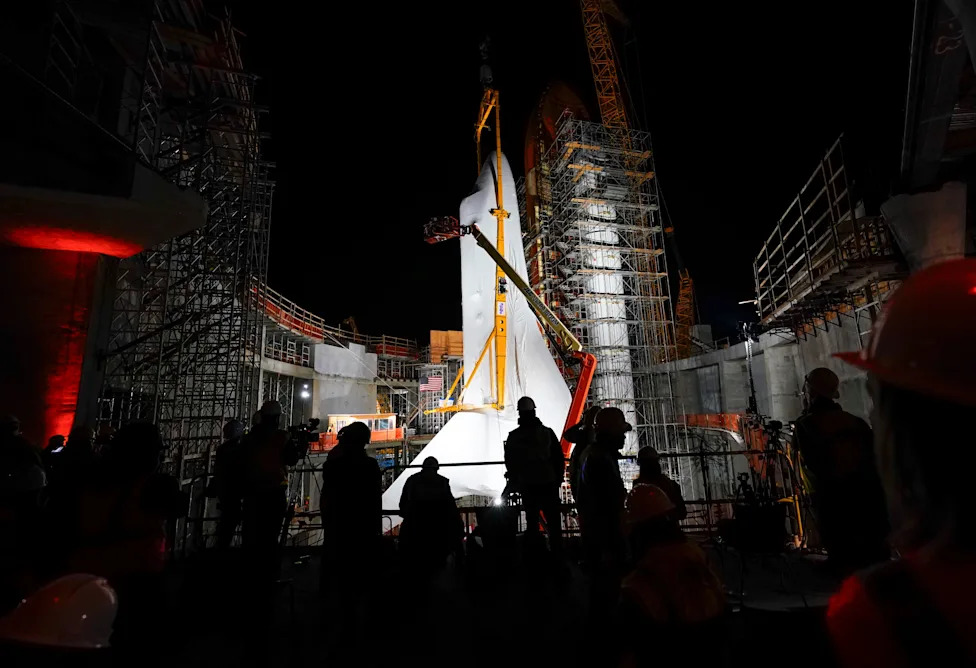
The retired space shuttle Endeavour is hoisted into place for display at the California Science Center in Los Angeles on Jan. 29, 2024. The space shuttle flew its final mission in May 2011.(Robert Hanashiro/USA TODAY)
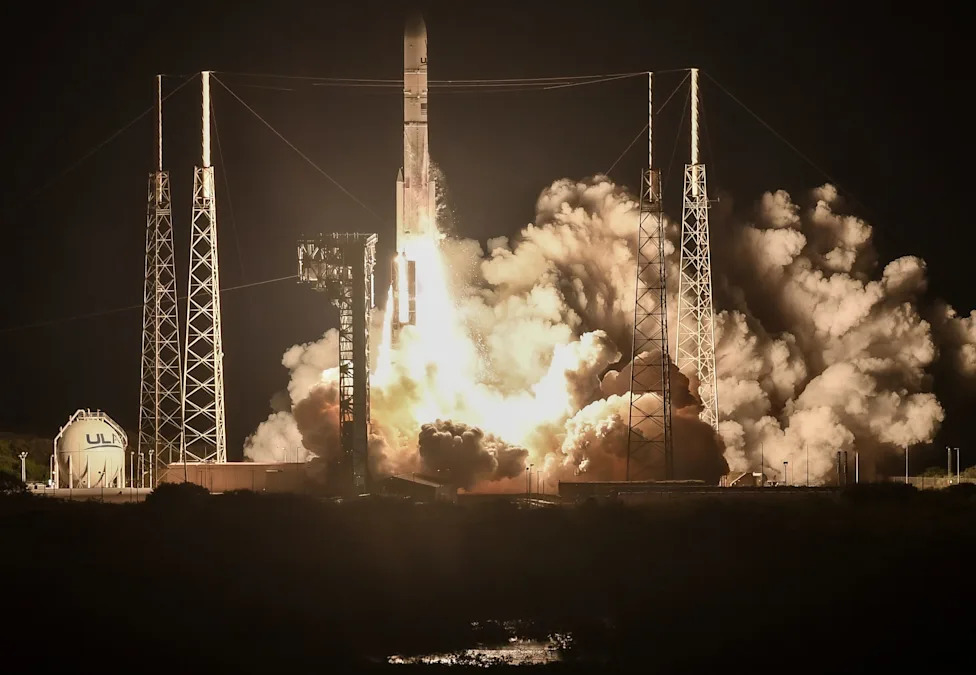
A United Launch Alliance Vulcan rocket lifts off from Cape Canaveral Space Force Station on Monday, Jan. 8, 2024. This is the inaugural launch of the rocket, carrying Astrobotic's lunar lander.(Craig Bailey/USA TODAY Network)
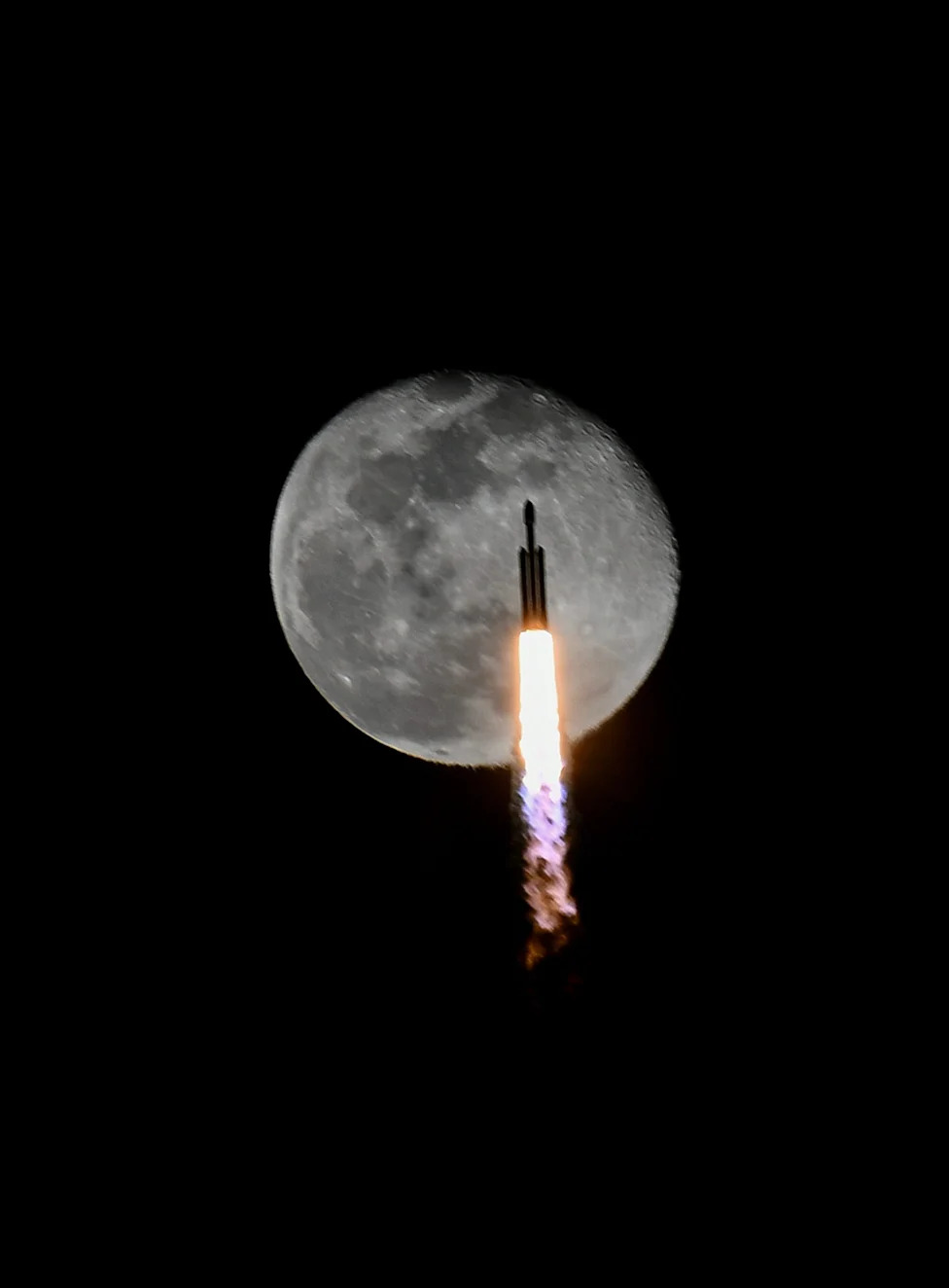
A SpaceX Falcon Heavy rocket flies across the face of the moon after liftoff from Kennedy Space Center, FL, Thursday, December 28, 2023.(Craig Bailey/USA TODAY NETWORK)
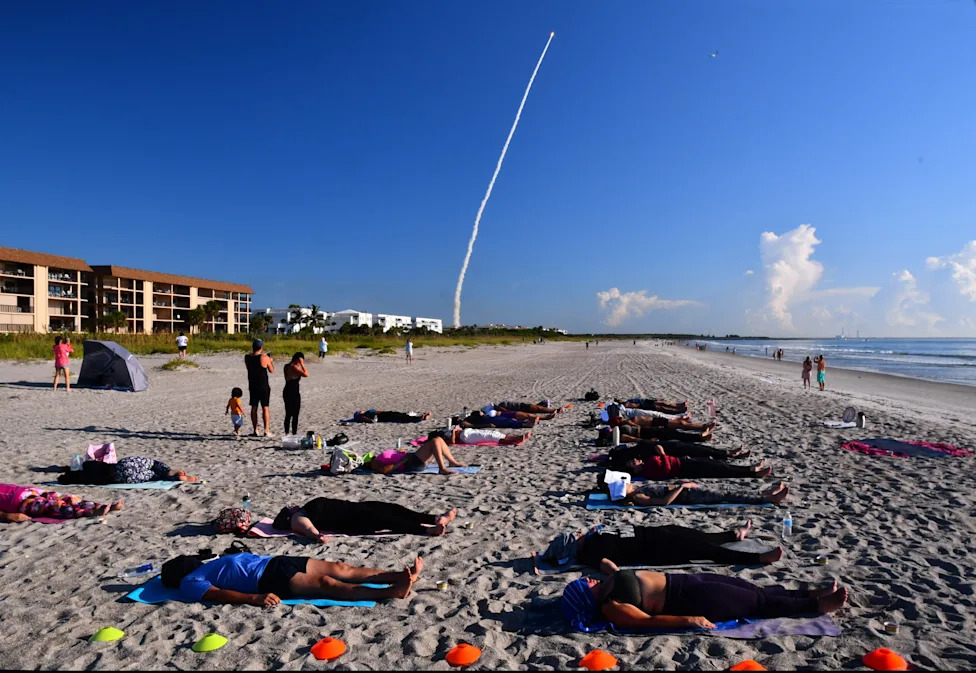
A yoga class in Cape Canaveral seems oblivious to the launch of a ULA Atlas V rocket on the SILENTBARKER/NROL-107 Mission for the Space Force and the National Reconnaissance Office. The rocket launched from Launch Complex 41 at Cape Canaveral Space Force Station.(MALCOLM DENEMARK/USA TODAY NETWORK)
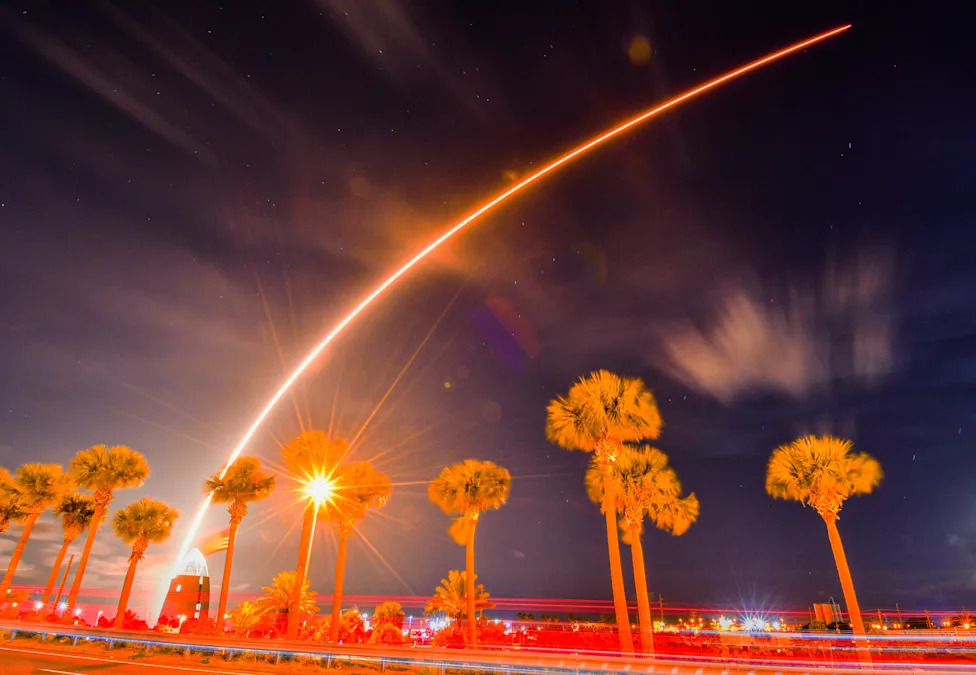
Launch of a SpaceX Falcon 9 rocket carrying 21 Starlink satellites on its 6-12 mission, launched from Launch Complex Pad 39A at Kennedy Space Center on Sunday, Sept. 3rd.(MALCOLM DENEMARK/USA TODAY Network)
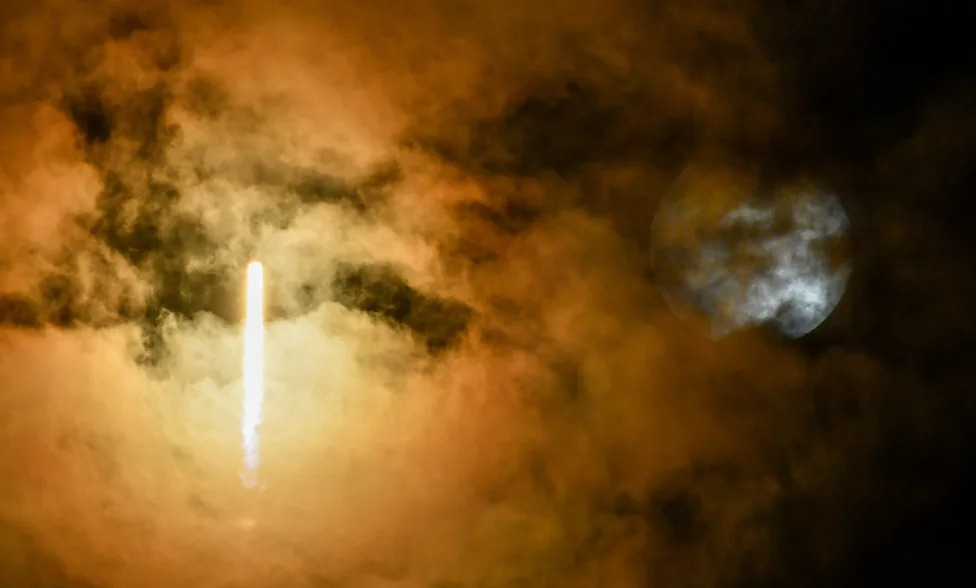
A SpaceX Falcon 9 rocket lifts off from Cape Canaveral Space Force Station, FL, Thursday, Aug. 31, 2023.(Craig Bailey/USA TODAY NETWORK)
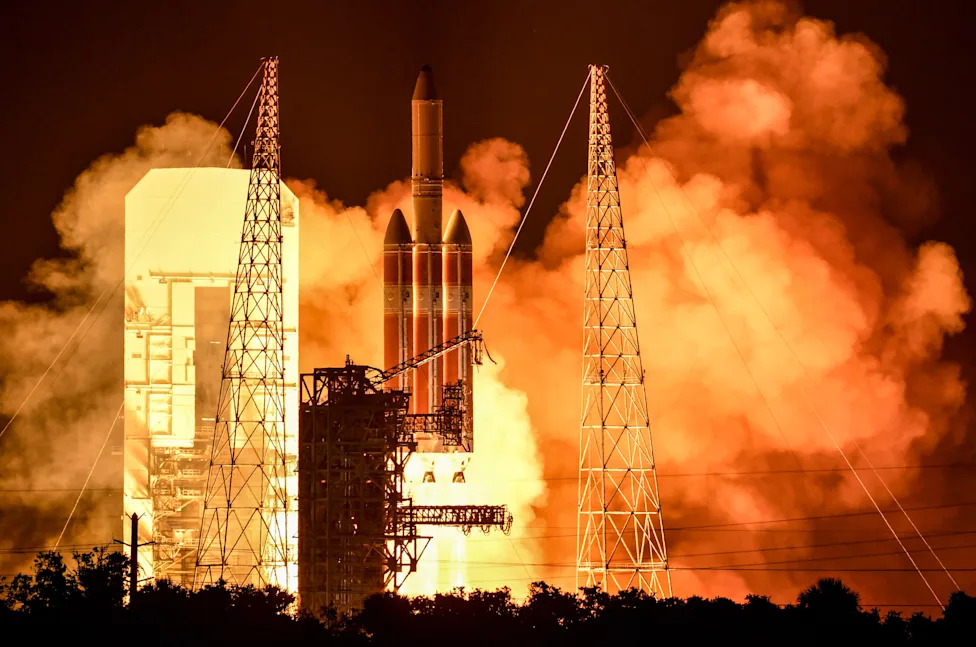
United Launch Alliance Delta IV Heavy lifts off from Cape Canaveral Space Force Station, FL, Thursday, June 22, 2023, carrying a payload for the National Reconnaissance Office.(Craig Bailey/USA TODAY NETWORK)
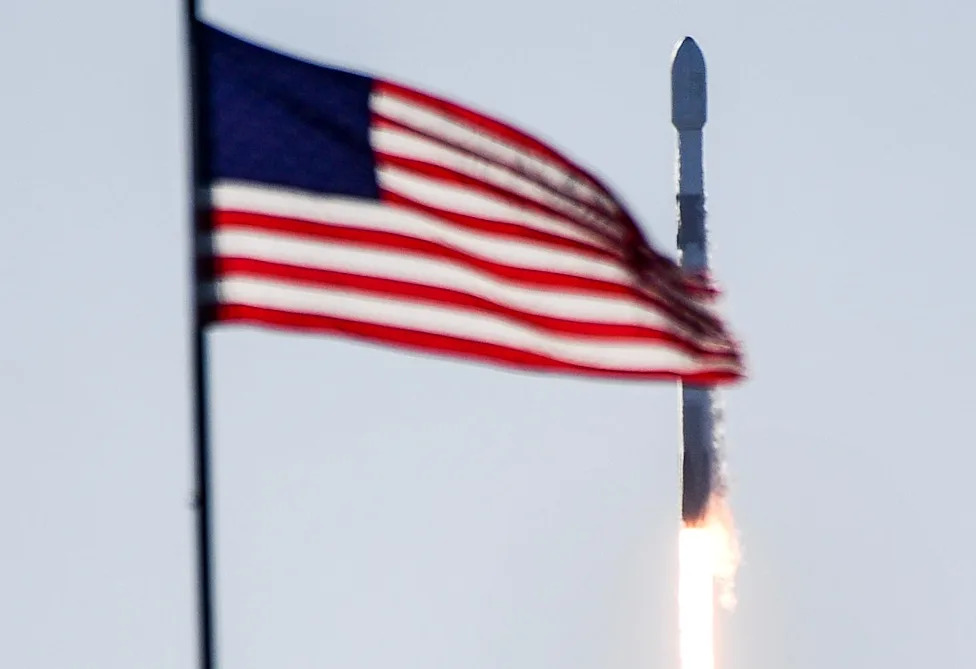
A SpaceX Falcon 9 rocket lifts off from Cape Canaveral Space Force Station, FL, Sunday, June 4, 2023.(Craig Bailey/USA TODAY)
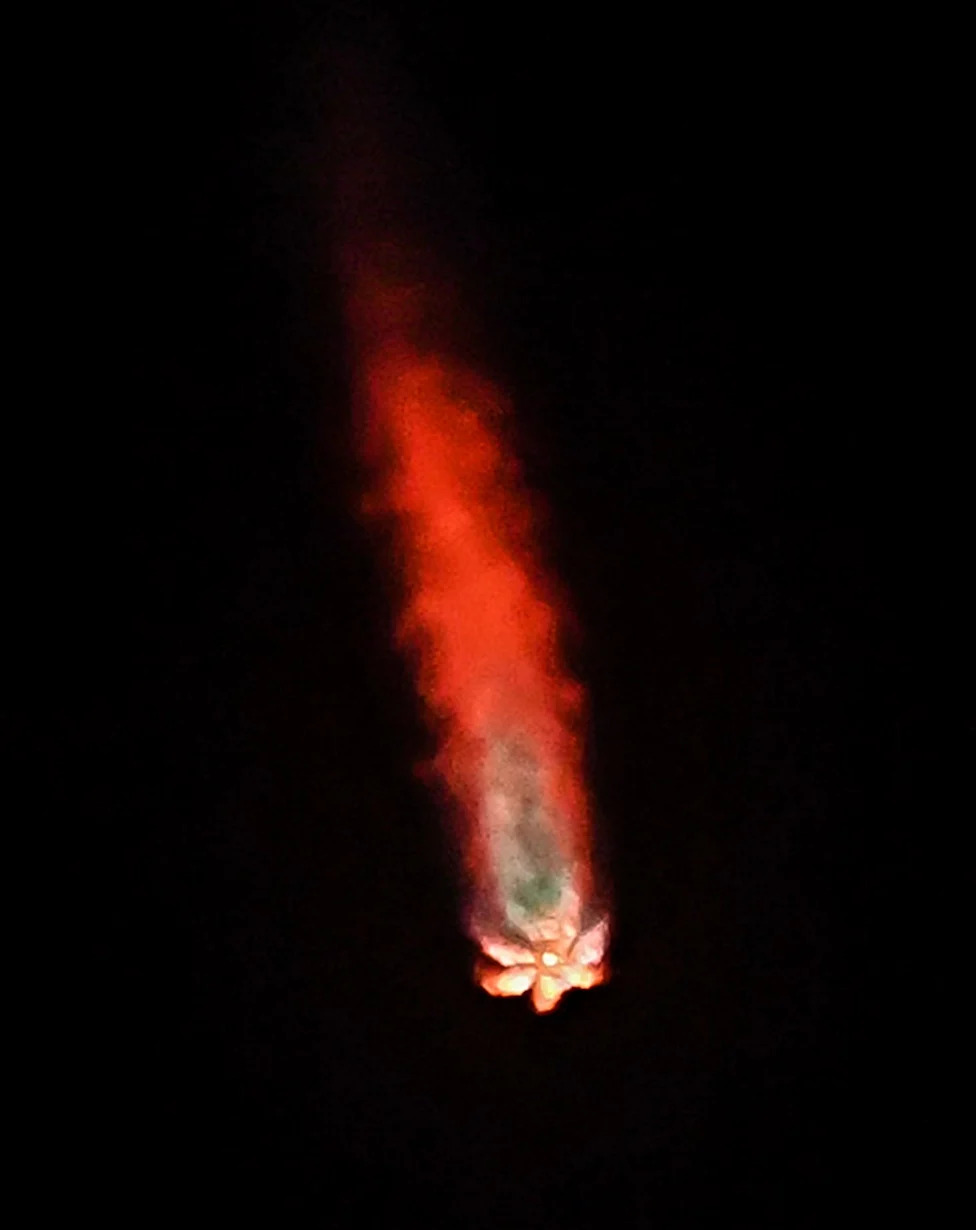
A SpaceX Falcon 9 rocket lifts off from Cape Canaveral Space Force Station on Sunday, May 14, 2023, carrying a batch of Starlink satellites.(Craig Bailey/USA TODAY)
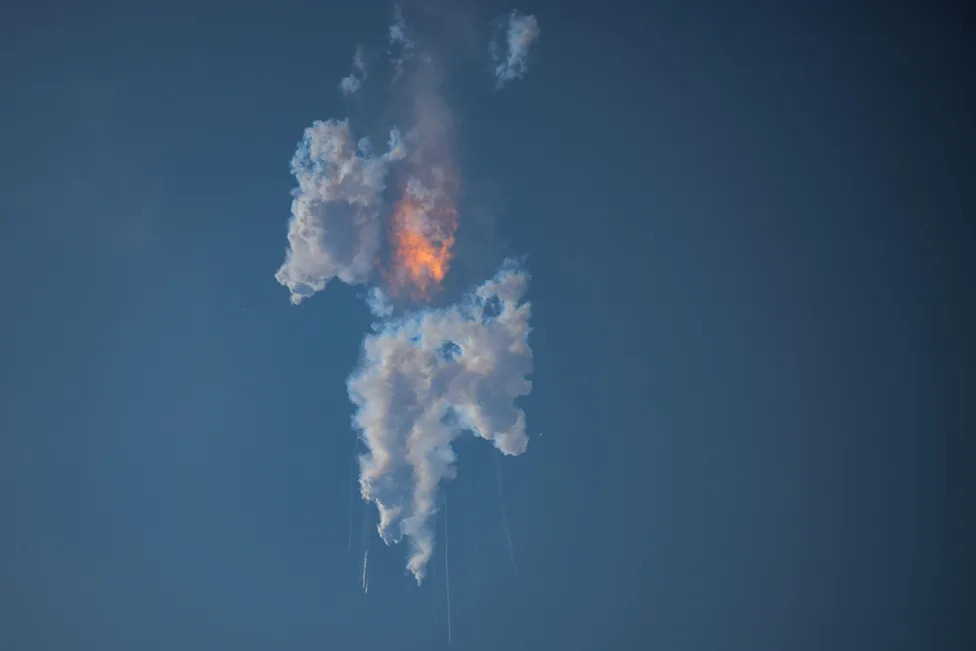
The SpaceX Starship explodes after launch for a flight test from Starbase in Boca Chica, Texas, on April 20, 2023.(PATRICK T. FALLON/AFP via Getty Images)
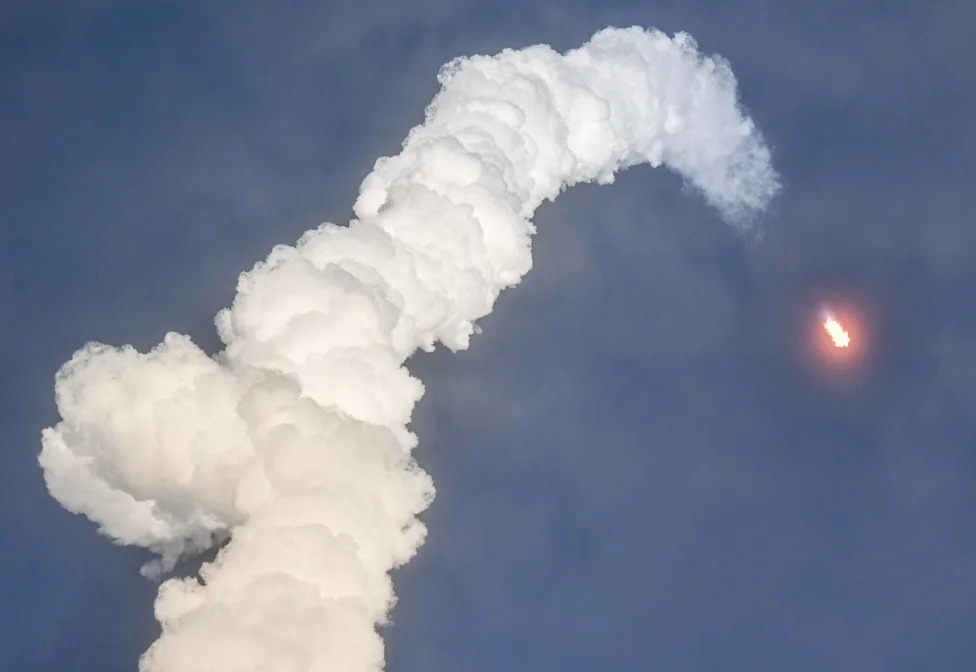
A SpaceX Falcon 9 rocket lifts off from Cape Canaveral Space Force Station, FL, Monday, Feb. 27, 2023.(Craig Bailey/USA TODAY Network)
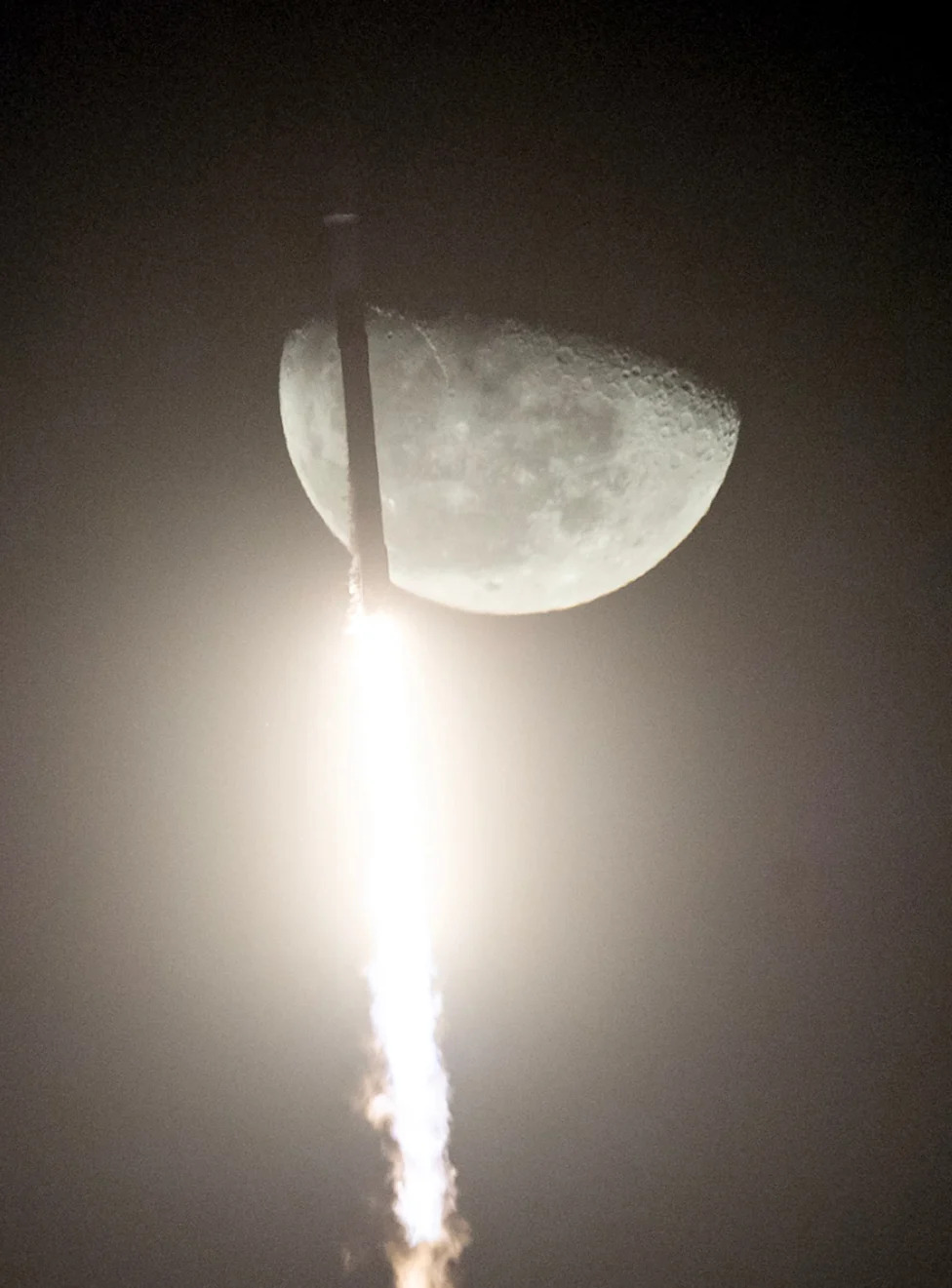
A SpaceX Falcon 9 rocket passes in front of the waning moon after liftoff from Cape Canaveral Space Force Station, FL, Sunday, Feb. 12, 2023.(Craig Bailey/FLORIDA TODAY)
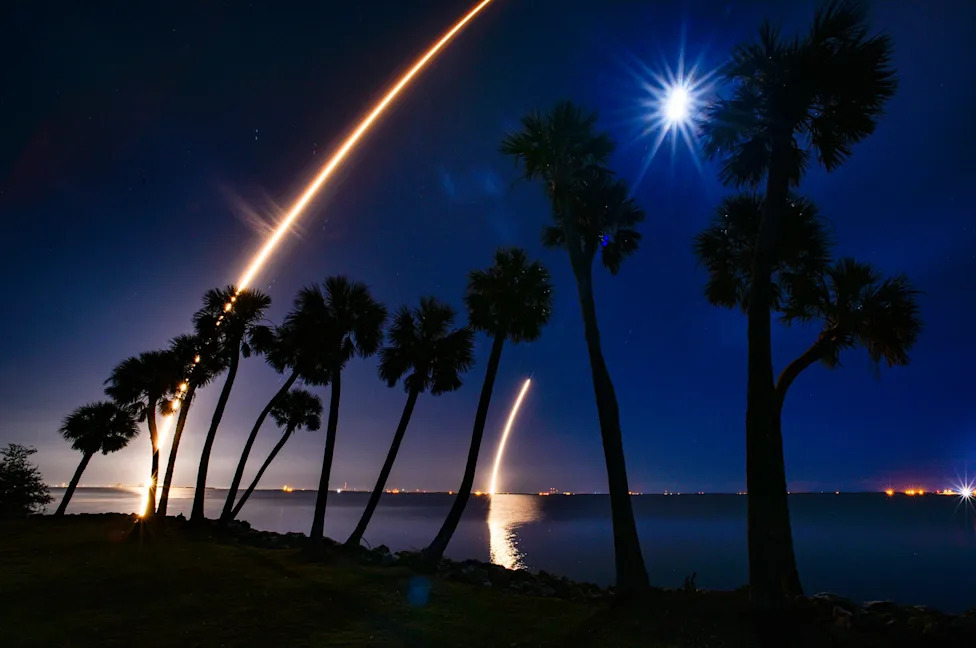
Launch of a SpaceX Falcon 9 rocket for OneWeb at 11:50 p.m. EST Jan. 9, and landing of the booster at Landing Zone 1.(MALCOLM DENEMARK/FLORIDA TODAY)
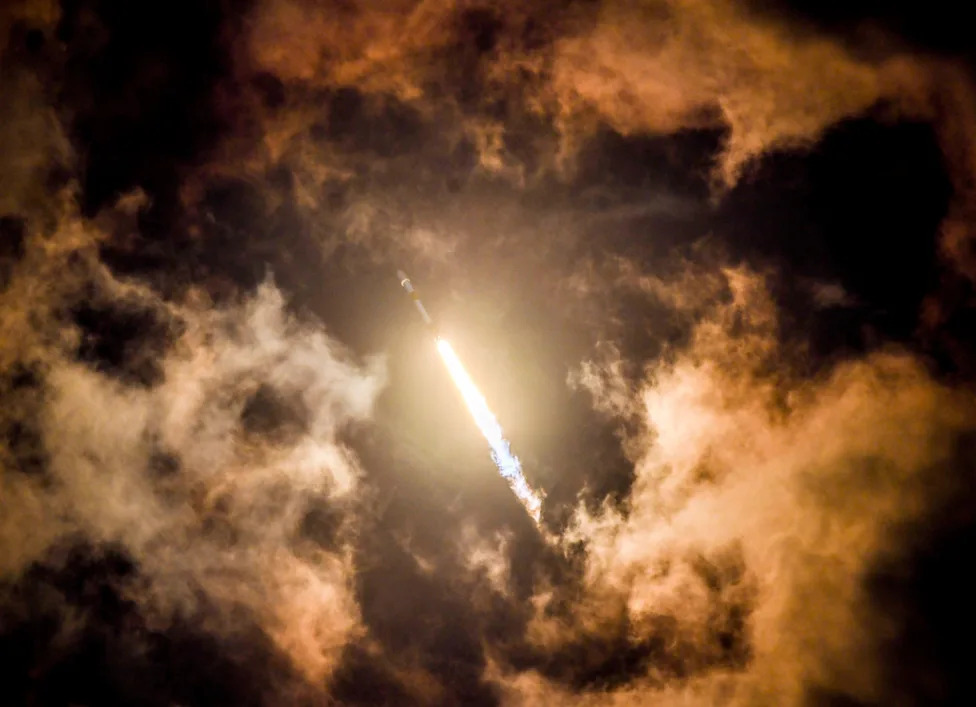
A SpaceX Falcon 9 rocket lifts off from Cape Canaveral Space Force Station, FL, Saturday, Sept. 24, 2022. The rocket is carrying 52 Starlink satellites.(Craig Bailey/USA TODAY Network)
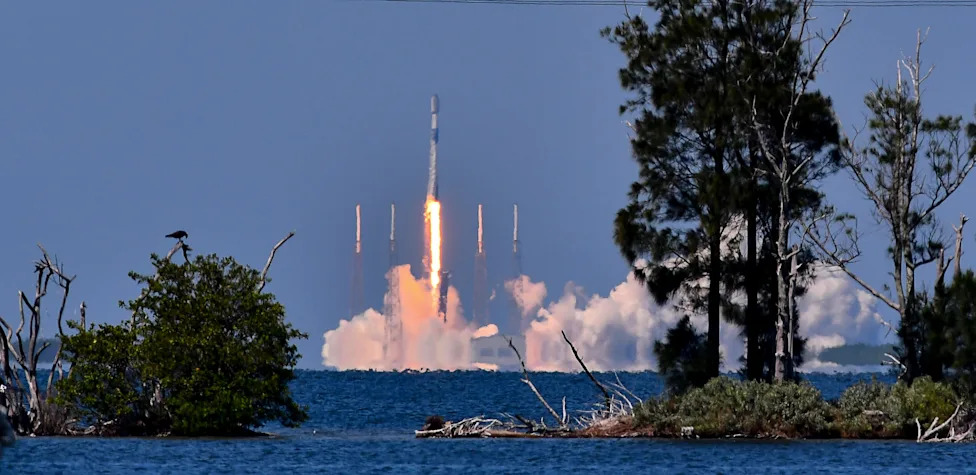
Launch of a SpaceX Falcon 9 rocket on Friday, Aug. 19, carrying a batch of Starlink satellites. The rocket was launched from Launch Complex 40 at Cape Canaveral Space Force Station.(MALCOLM DENEMARK/USA TODAY Network)
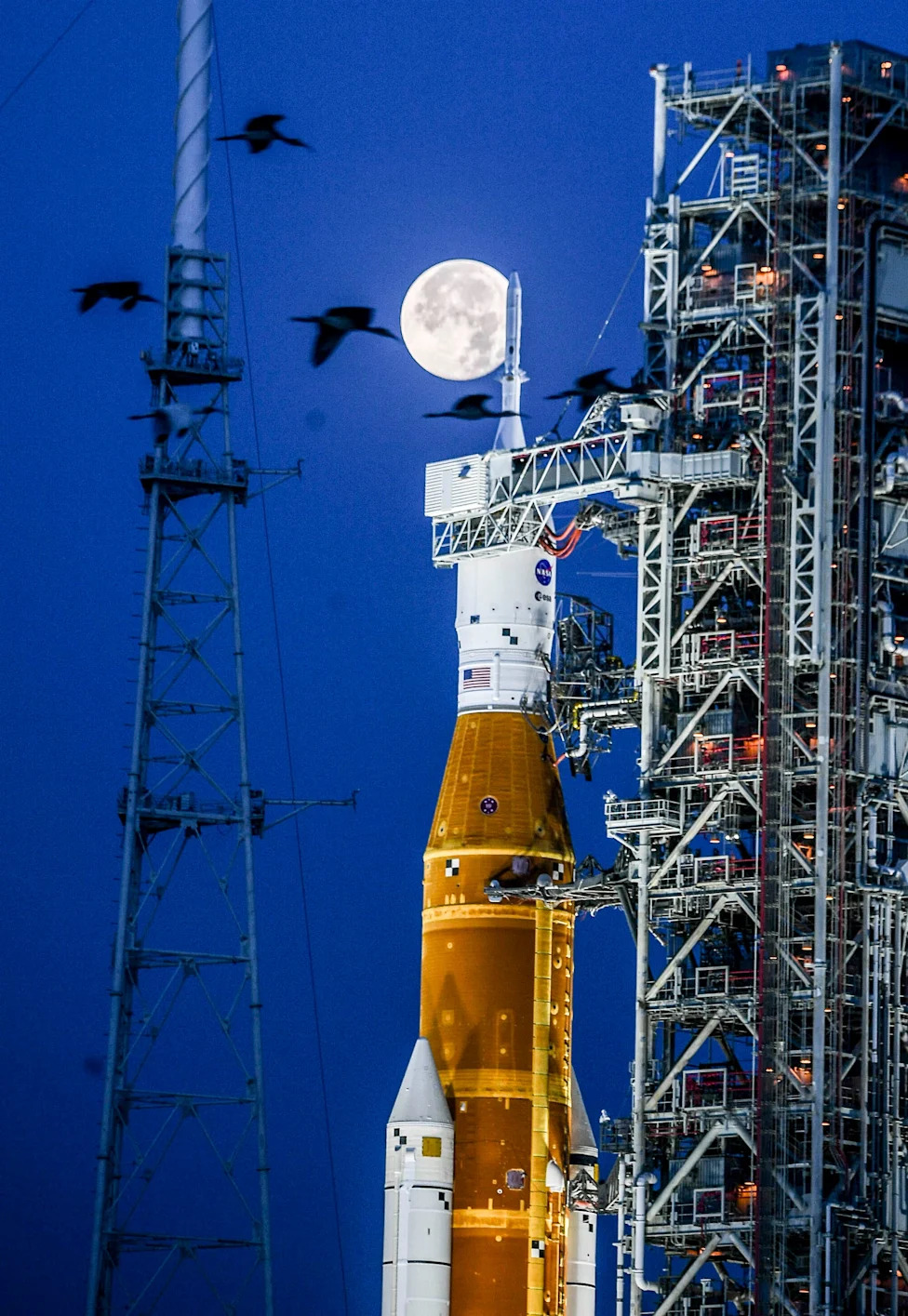
The first full moon in June, called the Strawberry Moon, sets over the Orion capsule atop NASA’s Space Launch System rocket just before dawn at Kennedy Space Center, FL, Wednesday, June 15, 2022.(Craig Bailey/USA TODAY Network)
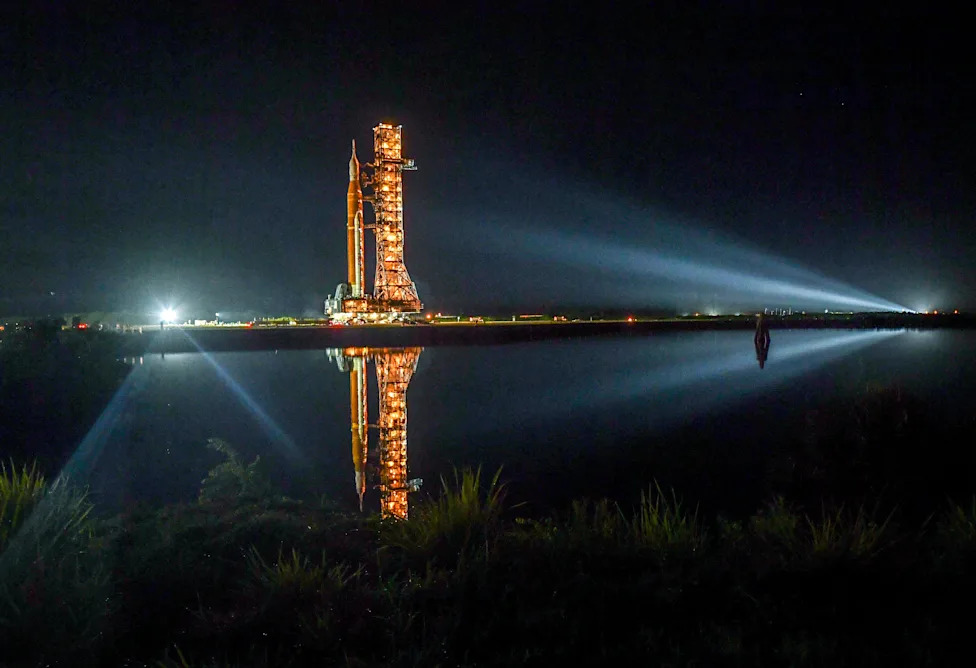
NASA’s Space Launch System rocket is rolled out from the Vehicle Assembly Building at Kennedy Space Center early Monday, June 6, 2022.(Craig Bailey/USA TODAY Network)
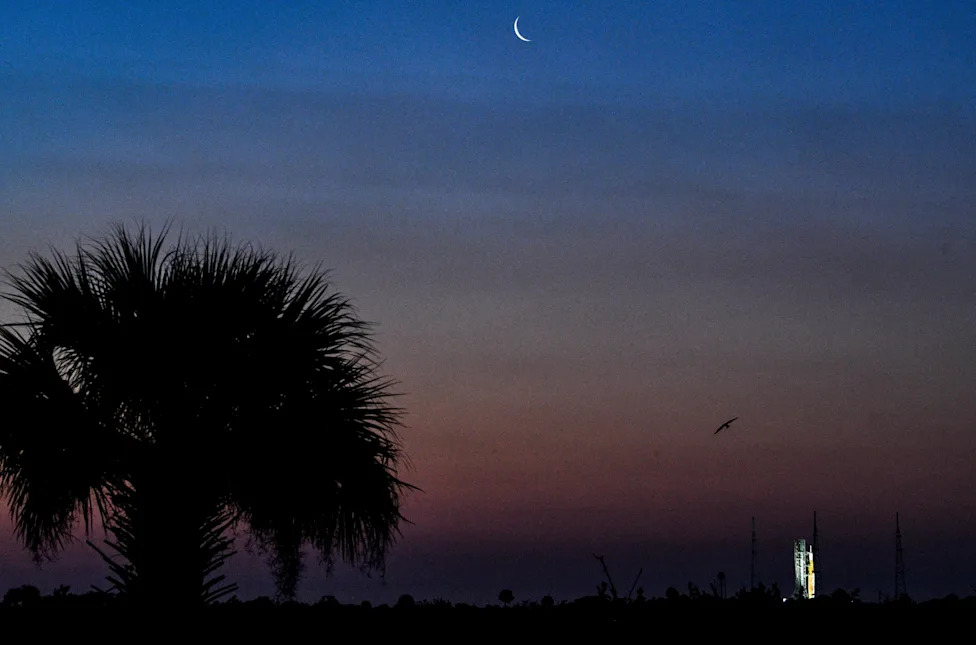
The sun rises over Pad 39B at Kennedy Space Center, FL, Tuesday, March 29, 2022, where NASA’s SLS rocket sits, further testing ahead of a potential launch to the moon.(Craig Bailey/USA TODAY Network)
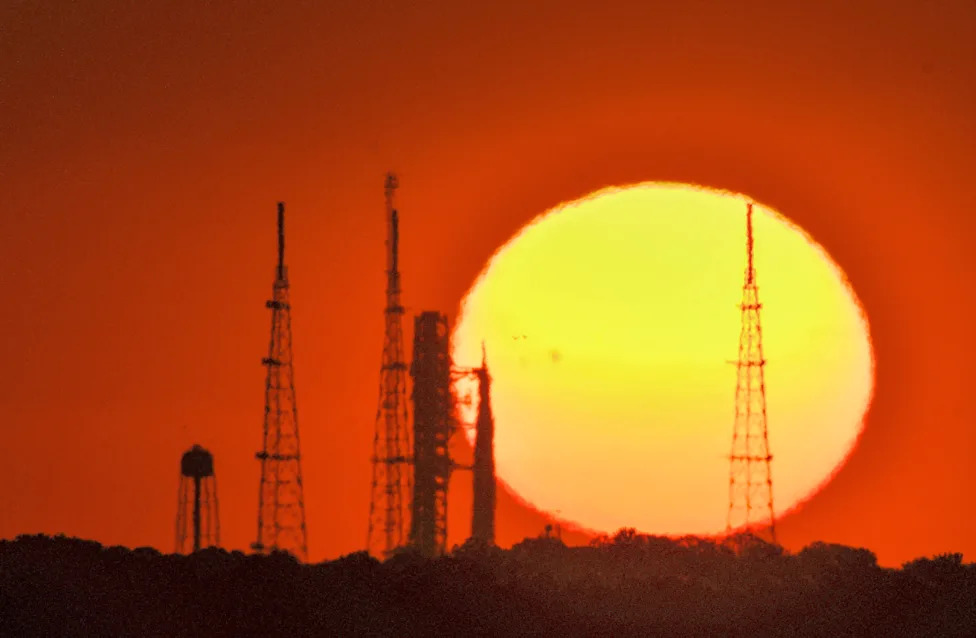
The sun rises over Pad 39B at Kennedy Space Center, FL, Sunday, March 27, 2022, where NASA’s SLS rocket sits awaiting testing ahead of a potential launch to the moon.(Craig Bailey/USA TODAY Network)
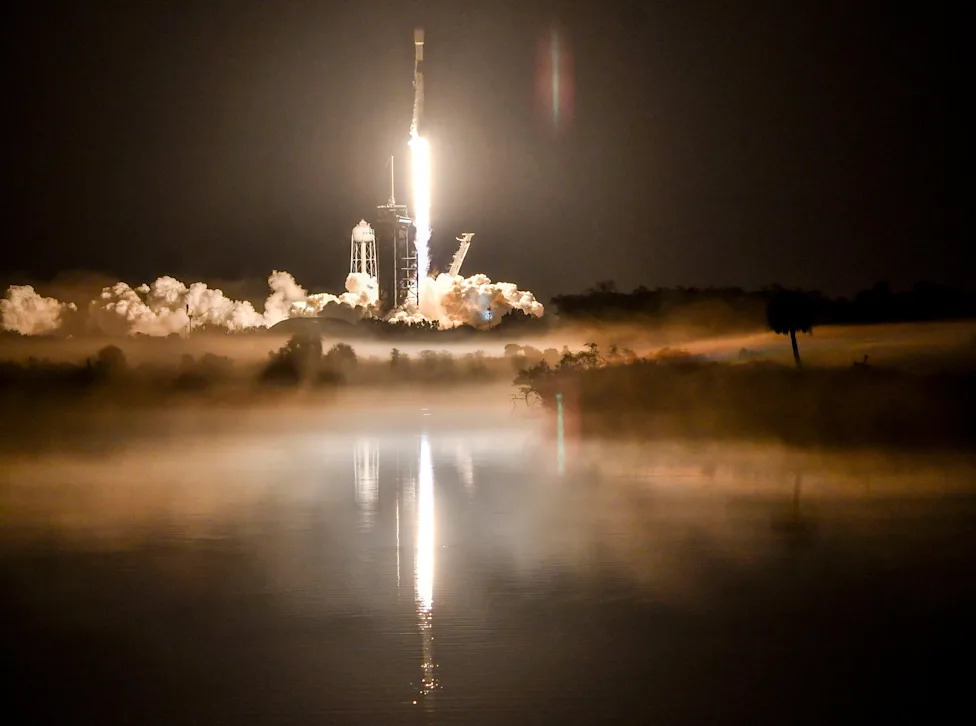
A SpaceX Falcon 9 rocket lifts off from Kennedy Space Center on Sunday, March 14, 2021. The rocket is carrying 60 Starlink communications satellites.(Craig Bailey/USA TODAY NETWORK)
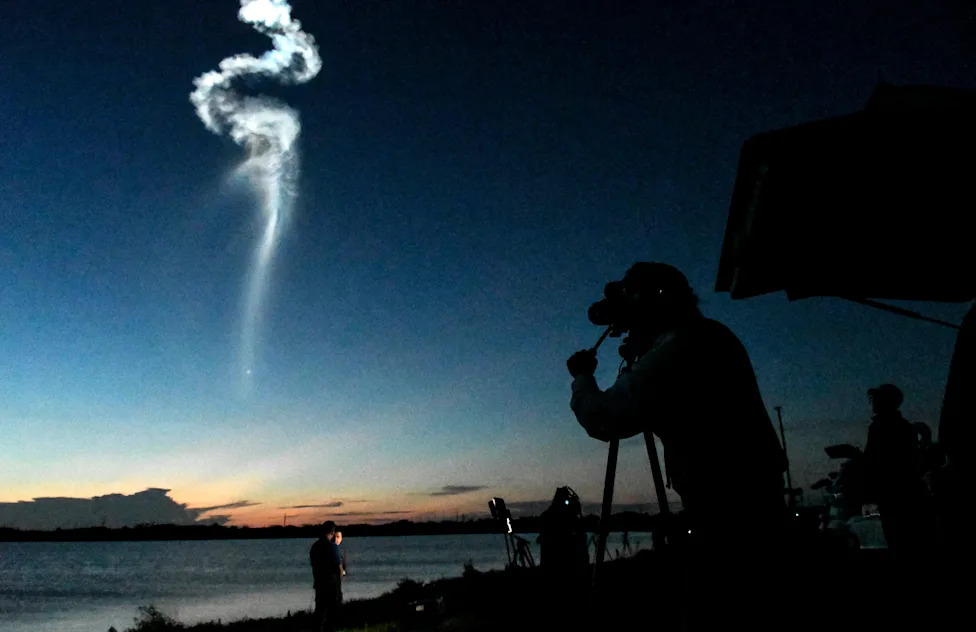
A United Launch Alliance Atlas V rocket lifts off from Cape Canaveral Air Force Station Aug. 8, 2019, carrying the AEHF 5 communications satellite for the U.S. military.(Craig Bailey/USA TODAY NETWORK)
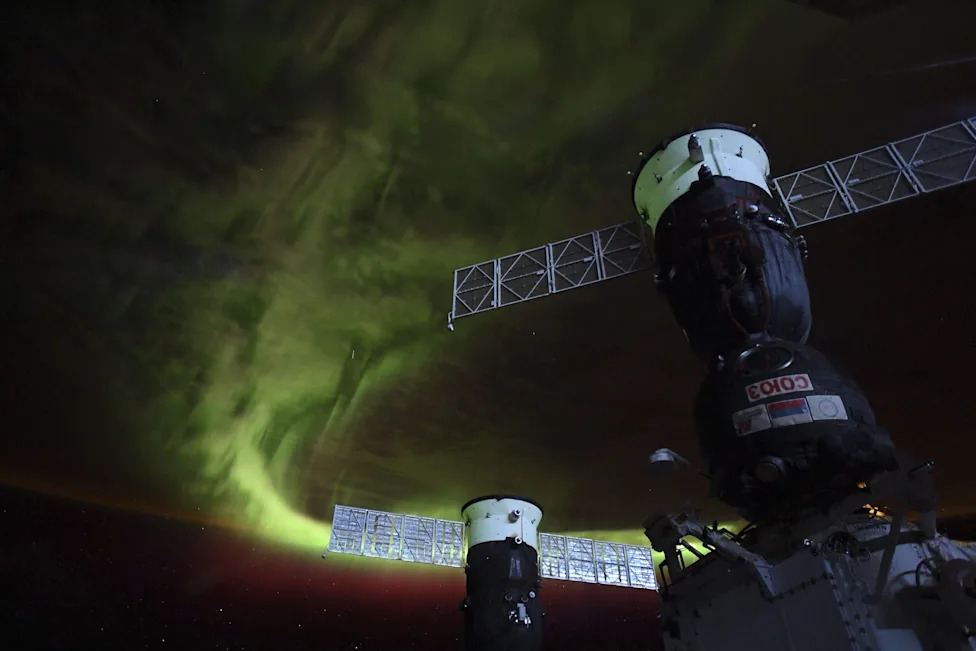
An image of an aurora taken on June 13, 2019, from aboard the International Space Station, by NASA astronaut Christina Koch, saying: "Years ago at the South Pole, I looked up to the aurora for inspiration through the 6-month winter night, now I know they're just as awe-inspiring from above.(Christina Koch/Getty Images)
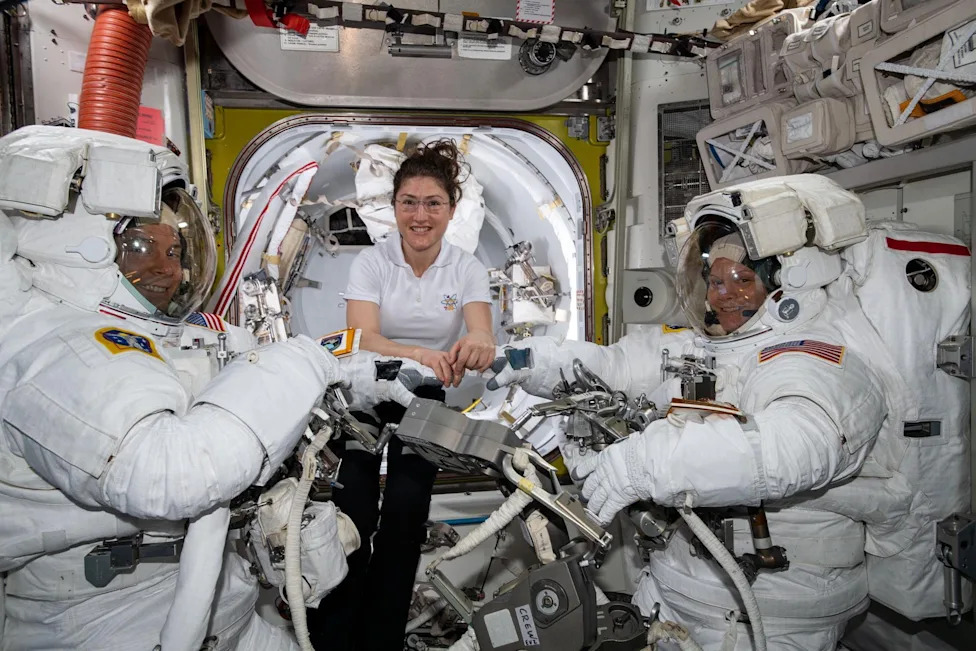
NASA astronaut Christina Koch assists fellow astronauts Nick Hague and Anne McClain in their spacesuits shortly before they begin the first spacewalk of their careers, aboard the International Space Station (ISS), March, 22, 2019.(NASA/USA Today Network)
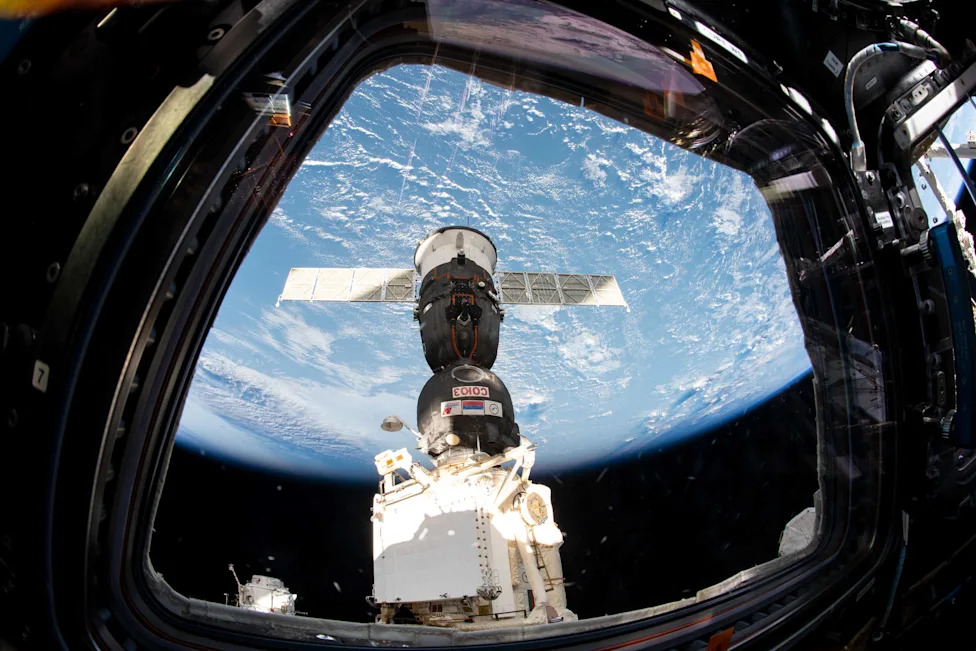
NASA photo shows the Soyuz MS-12 spacecraft that launched three new Expedition 59-60 crew members to the International Space Station as it docked to the Rassvet module on March 15, 2019.(NASA via AFP/Getty Images)

NASA astronaut Christina Hammock Koch, a member of the International Space Station expedition 59/60, gestures from inside a bus during a farewell ceremony outside the Cosmonaut hotel prior to the launch on board the Soyuz MS-12 spacecraft from the Russian-leased Baikonur cosmodrome in Kazakhstan on March 14, 2019.(Kirill Kudryavtsev/Getty Images)
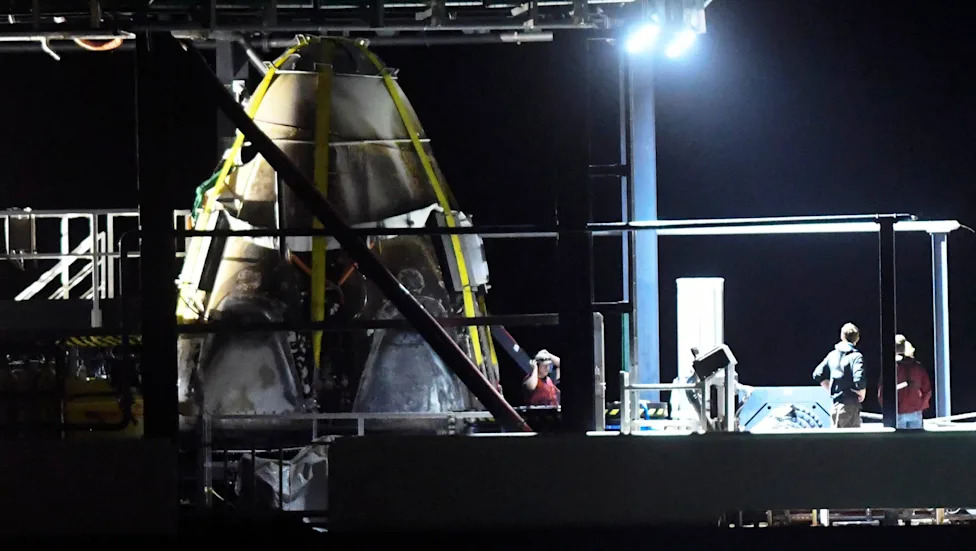
The SpaceX Crew Dragon capsule aboard the support ship Go Searcher, returns to Port Canaveral March 9, 2019. The capsule, launched aboard a Falcon 9 rocket last week, made a trip to the International Space Station before returning to Earth.(Craig Bailey/USA TODAY NETWORK)

Former Astronaut Buzz Aldrin salutes after being introduced at the 2019 State of the Union address in Washington D.C. Feb 5, 2019.(John Shinkle/USA Today Network)
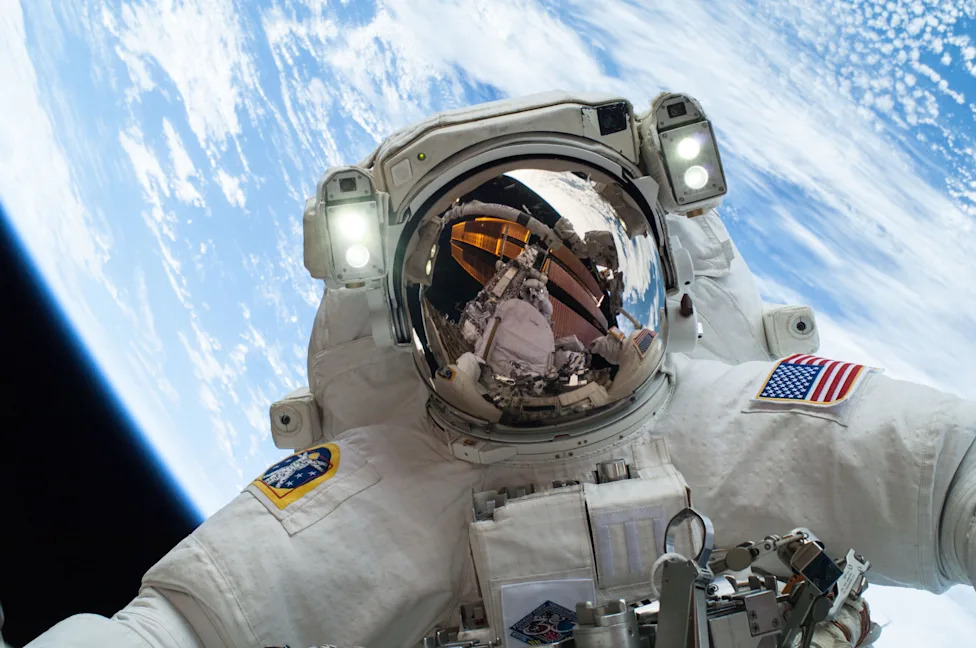
NASA astronaut Mike Hopkins, Expedition 38 Flight Engineer, participates in the second of two spacewalks, spread over a four-day period, which were designed to allow the crew to change out a degraded pump module on the exterior of the Earth-orbiting International Space Station.(Provided by NASA)
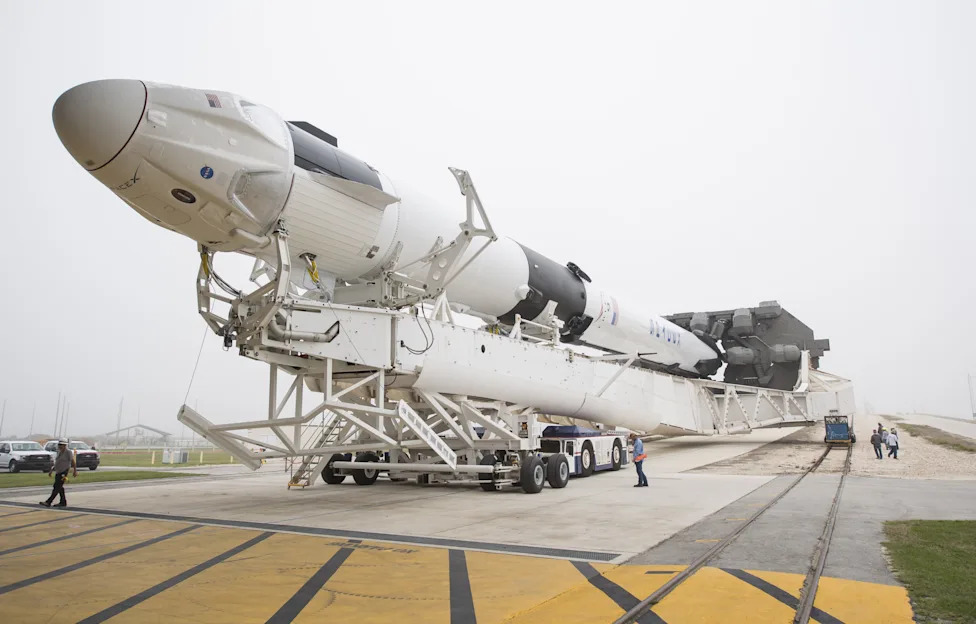
A SpaceX Falcon 9 rocket with the company's Crew Dragon spacecraft onboard as it is rolled out of the horizontal integration facility at Launch Complex 39A Feb. 28, 2019 at the Kennedy Space Center in Fla.(Getty Images)
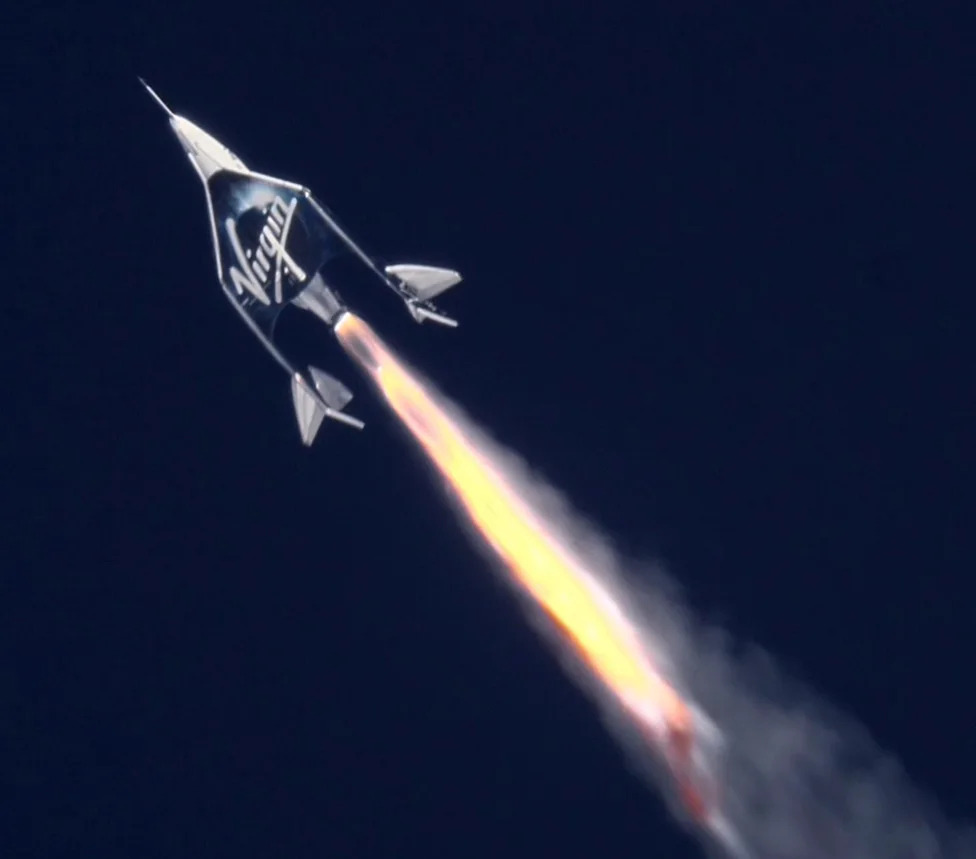
This is the Virgin Galactic spaceship VSS Unity after release from the WhiteKnightToo launch vehicle as it heads towards space over Mojave, Calif., Feb. 33, 2019.(Provided by VRIGIN GALACTIC)
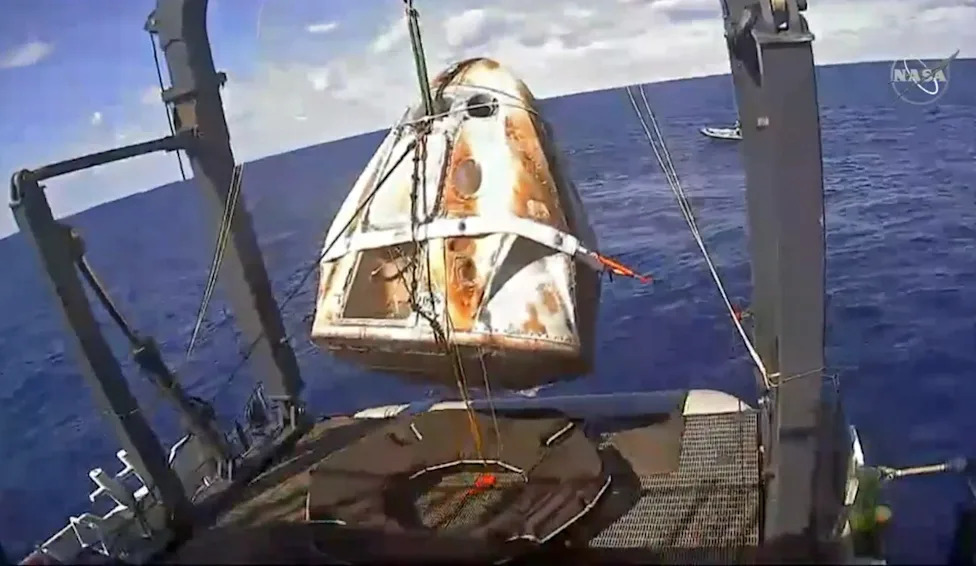
SpaceX’s Dragon capsule is retrieved by a recovery ship after its splashdown in the Atlantic Ocean, March 8, 2019.(Provided by NASA)
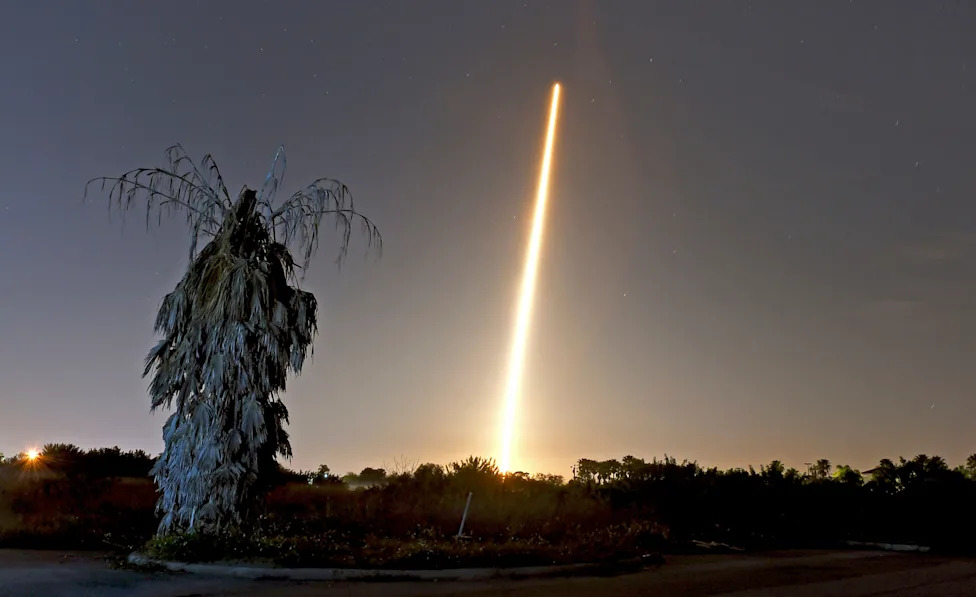
The SpaceX Falcon 9 rocket launches from NASA's pad 39A from Viera, Fla., March 2, 2019.(Tim Short/USA TODAY NETWORK)
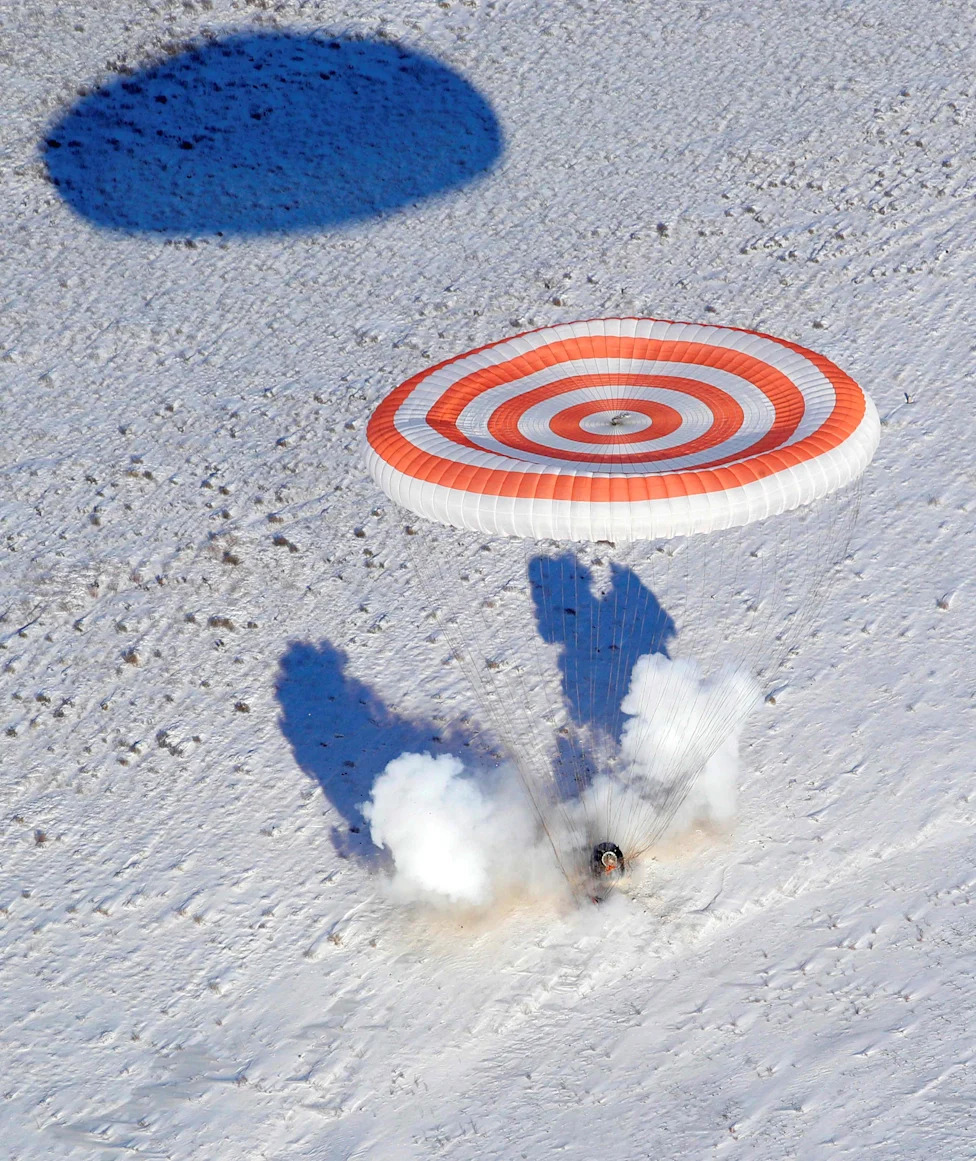
The Soyuz MS-05 space capsule carrying the International Space Station crew lands in a remote area outside the town of Dzhezkazgan, Kazakhstan, Dec. 14, 2017.(DMITRY LOVETSKY/AFP Getty Images)
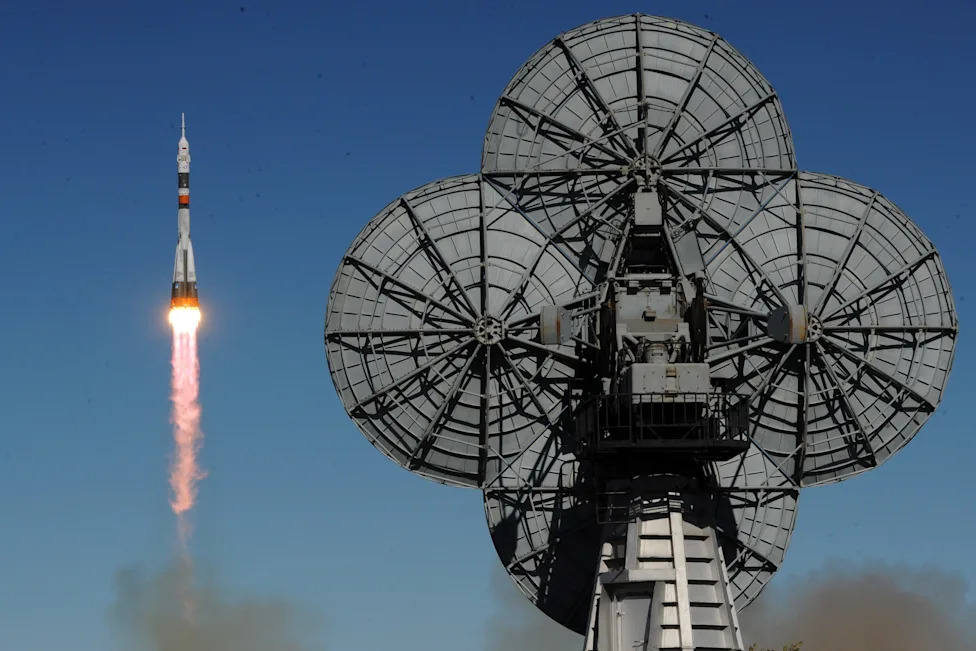
Russia's Soyuz MS-10 spacecraft carrying the members of the International Space Station blasts off from the launch pad at the Russian-leased Baikonur cosmodrome in Baikonur. Oct. 11, 2018.(KIRILL KUDRYAVTSEV/AFP Getty Images)
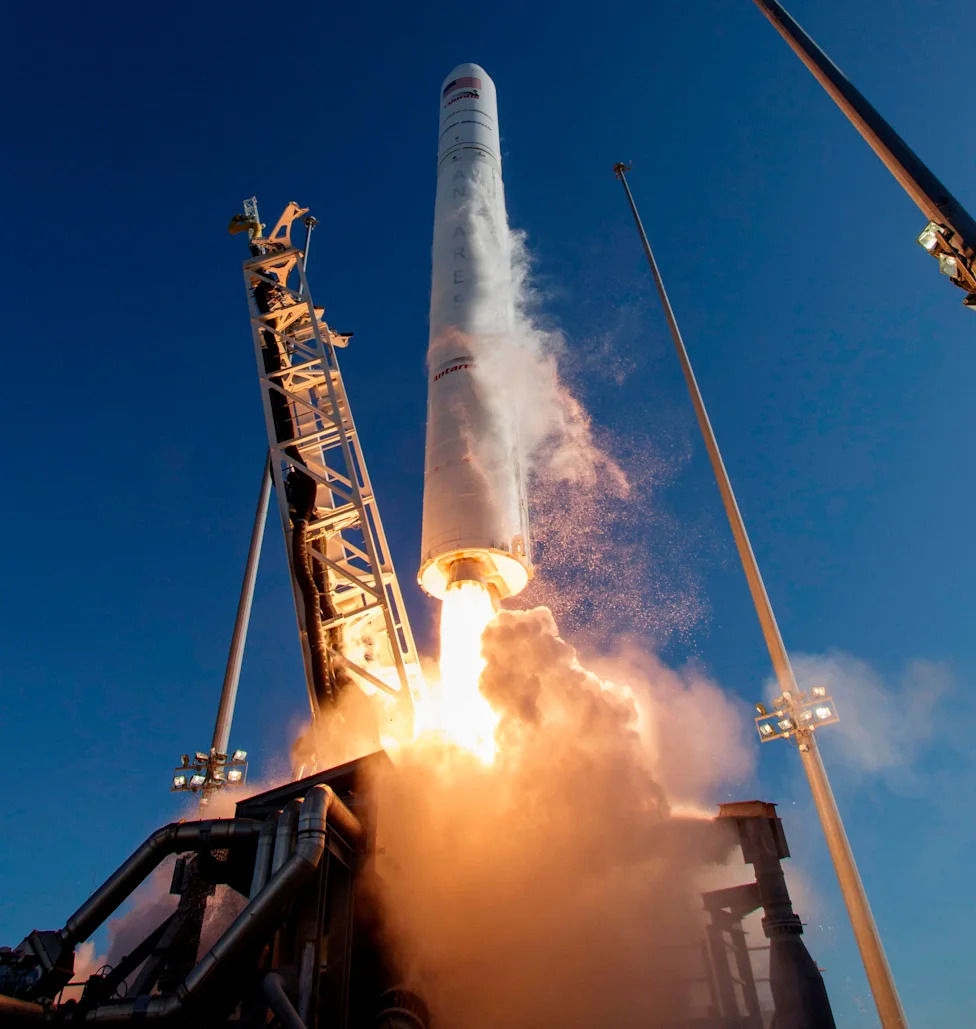
The Northrop Grumman Antares rocket, with Cygnus resupply spacecraft on board, launches from Pad-0A of NASA's Wallops Flight Facility on Nov. 2, 2019, in Wallops Island, Va.(Bill Ingalls/NASA/AFP via Getty Images)
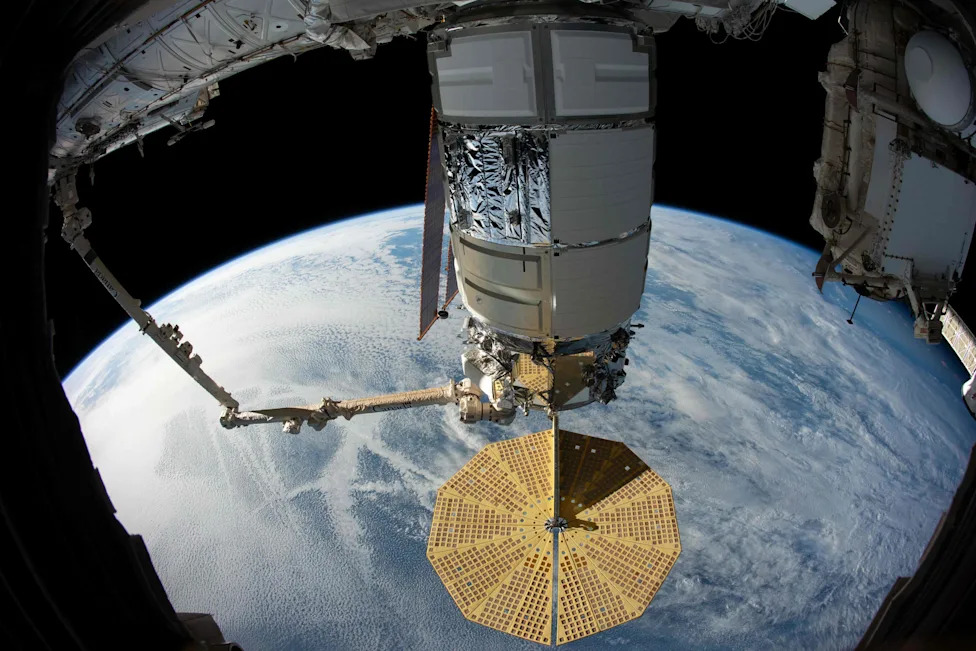
This NASA handout image, released Nov. 6, 2019, shows the US Cygnus space freighter from Northrop Grumman pictured in the grips of the Canadarm2 robotic arm as it was installed to the Unity module for 70 days of cargo transfers on Nov. 4, 2019.(NASA via AFP/Getty Images)
Help us improve.