MK Gilad Kariv told 103FM he supports creating a demilitarized Palestinian state as part of a broader regional agreement and accused Prime Minister Benjamin Netanyahu of having strengthened Hamas through past policies. He argued that even amid a war lasting two and a half years, Israel must present a clear political objective alongside military action. Kariv acknowledged polls showing support for Hamas but said other surveys point to shifts and stressed he will negotiate cautiously with non-Hamas Palestinian actors. He also defended Yair Golan's criticism as targeting illegal outposts, and highlighted The Democrats' strong primary turnout of about 100,000 digital voters.
Gilad Kariv Calls For Demilitarized Palestinian State, Accuses Netanyahu Of 'Building Up' Hamas
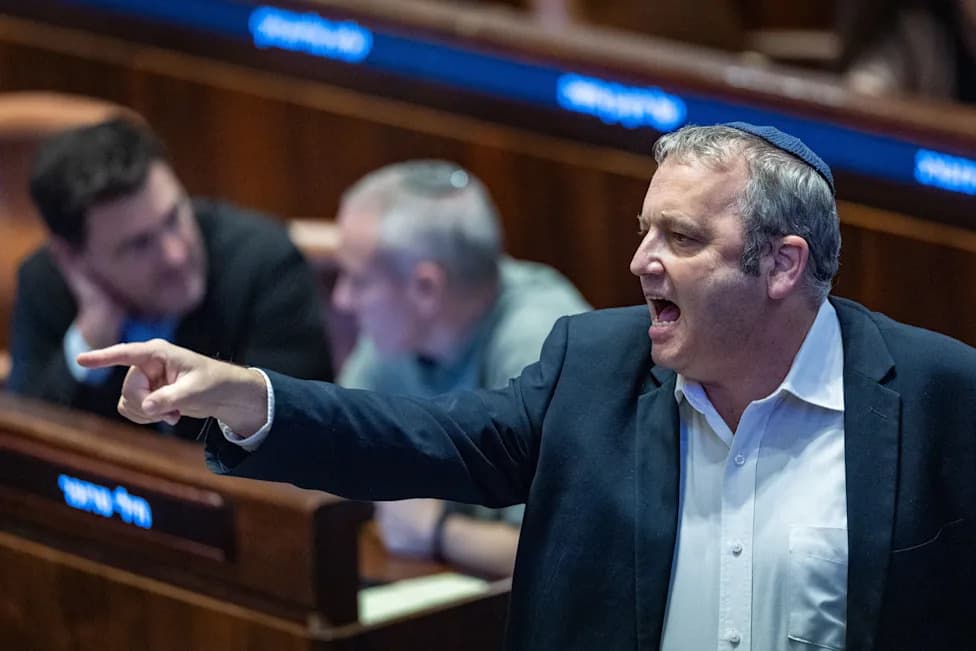
MK Gilad Kariv reacts during a plenum session and a vote on a bill to split the duties and powers currently held by the attorney general between two separate officeholders, at the assembly hall of the Knesset, the Israeli parliament in Jerusalem, July 15, 2026. (photo credit: YONATAN SINDEL/FLASH90)
MK Gilad Kariv, who finished third in The Democrats party primaries, told 103FM on Wednesday that Israel should ultimately divide the land and establish a demilitarized Palestinian state as part of a wider regional agreement. He also accused Prime Minister Benjamin Netanyahu of having strengthened Hamas through past policies.
Speaking on 103FM's "Five in the Evening" with Ron Kofman and Prof. Aryeh Eldad, Kariv outlined his party's diplomatic approach, commented on the ongoing war and discussed Palestinian statehood while sharply criticizing the government's handling of Hamas.
"Netanyahu did business with Hamas and built it up," Kariv said. "It was the Israeli Right that built the Hamas state, as a result of unilateral steps."
A Demilitarized State Within A Regional Framework
Kariv said The Democrats support separation between Israelis and Palestinians and the creation of a demilitarized Palestinian state within a broader regional agreement. He emphasized that such a diplomatic process will take time but argued it is essential to safeguard Israel's future as a Jewish and democratic state and to end long-term control over millions of Palestinians.
"At the end of the diplomatic process, and that will take time, the land will be divided between the two peoples, and alongside the State of Israel there will be a demilitarized Palestinian state within a regional agreement," he said.
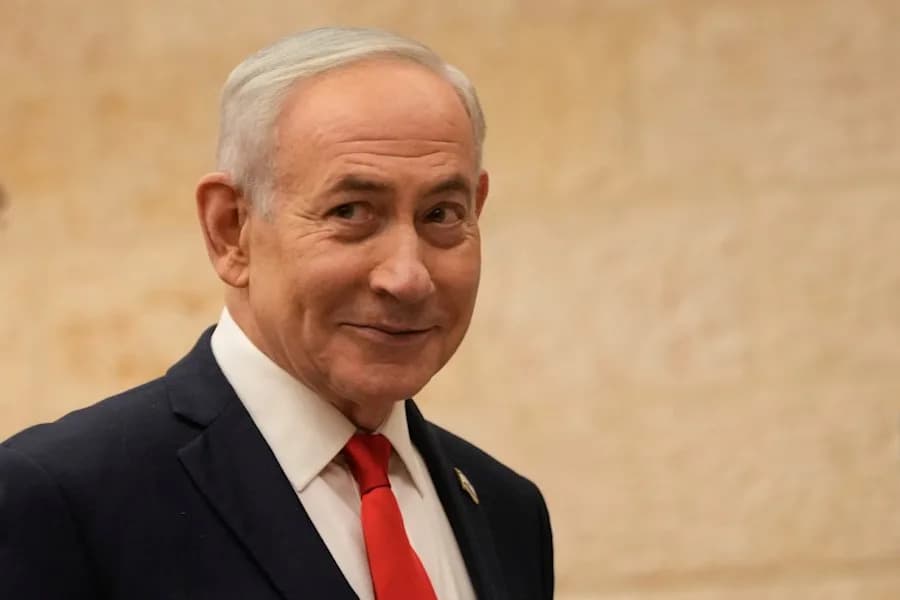
Photo: Israeli Prime Minister Benjamin Netanyahu attends a vote at the plenum hall of the Knesset in Jerusalem, July 16, 2026. (Yonatan Sindel/Flash90)
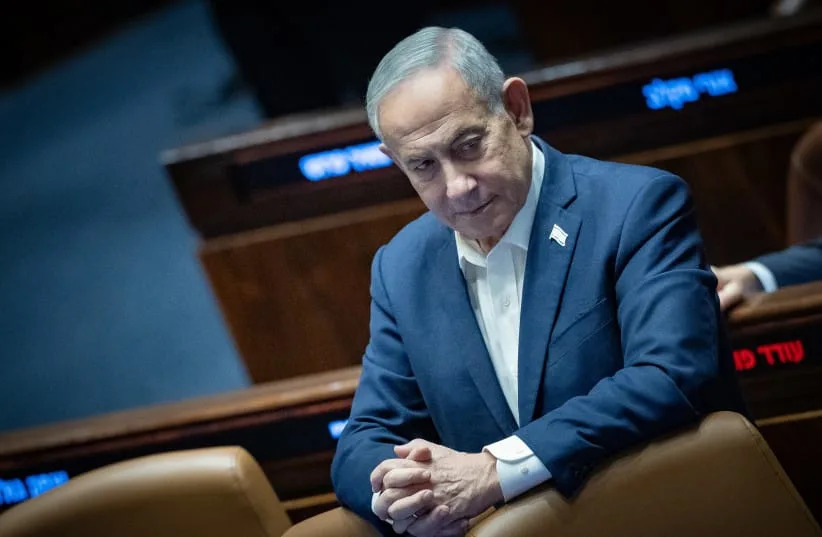
Israeli Prime Minister Benjamin Netanyahu attends a vote at the plenum hall of the Knesset, the Israeli parliament in Jerusalem, on July 16, 2026. (credit: YONATAN SINDEL/FLASH90)
Politics During Wartime
When asked whether it was appropriate to articulate a diplomatic vision while the war continues, Kariv argued that presenting a clear political objective is necessary alongside military measures. He noted the conflict has persisted for two and a half years and said the moment has come to state long-term goals.
"During a war that has continued for two and a half years, the moment comes when you say, alongside the military measures, what your diplomatic vision is," he said.
Polls, Security Concerns And Negotiating Partners
Kariv acknowledged polls showing widespread support for Hamas among Palestinians in the West Bank and recognized the security fears of communities near the Gaza border and in central Israel. He said he is not ignoring those polls but pointed to other surveys that indicate shifting attitudes and continuing support for diplomacy.
"I am not ignoring those polls. But you are ignoring other polls that also show a change in the trend regarding Hamas's conduct, and the support that still exists for a diplomatic agreement," Kariv said. "I pursue a diplomatic agreement cautiously and wisely with those forces in Palestinian society that are not Hamas, those people with whom every IDF brigade commander conducts security coordination."
Kariv emphasized negotiation would be with non-Hamas Palestinian actors who currently coordinate on security, rather than with militant factions.
Settlements And Internal Party Debate
Kariv also responded to comments from The Democrats' chairman Yair Golan criticizing the settlement movement. Kariv said Golan's remarks were aimed specifically at illegal outposts and at locations that have become centers of organized violence against Palestinians.
"The remarks made by Yair Golan rightly focused on illegal outposts, with an emphasis on those outposts from which organized violence against Palestinians emerges," Kariv said.
He closed the interview by reflecting on his party's primary results and the unusually high turnout in their digital vote.
"We have held digital votes in the past, but we have never had a situation in which 100,000 Israelis voted, and that is a major celebration," he said.
Help us improve.