A Ryanair Boeing 737 returned to Thessaloniki on July 10 after a cabin window ruptured, partially pulling 61-year-old passenger Ljubisa Karović out to chest level. He lost consciousness and sustained head, neck and arm injuries; doctors have advised a neck brace for at least six weeks. The U.S. NTSB will lead the investigation while Ryanair and Greek authorities examine whether engine debris or foreign-object damage played a role. Karović urged passengers to keep seatbelts fastened and described lasting psychological effects.
Ryanair Passenger Partially Pulled From Plane After Window Blows Out Midflight
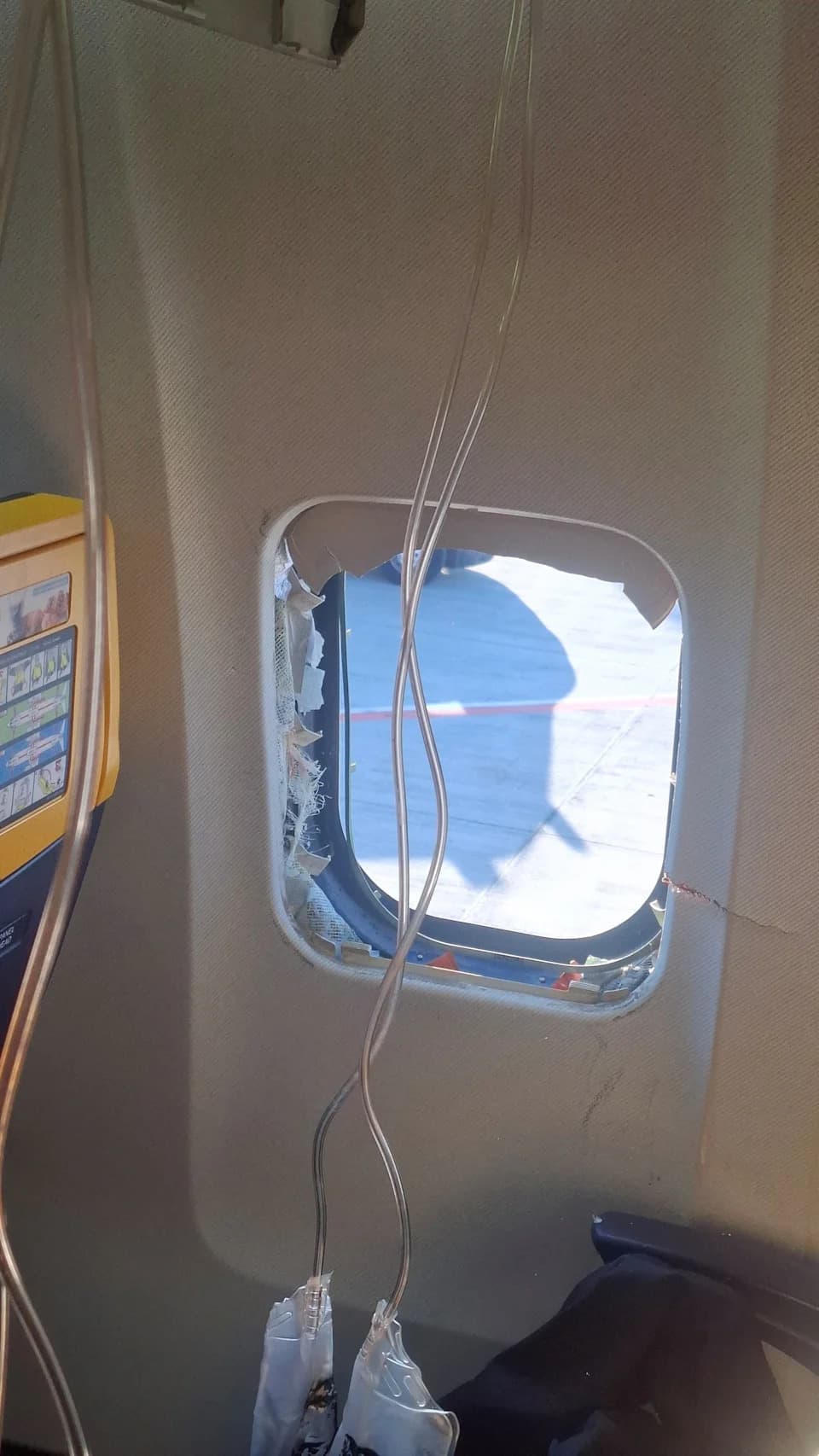
A broken window of the Ryanair aircraft, following a reported emergency landing, in location given as Thessaloniki, Greece, July 10, 2026, in this picture obtained from social media.
A 61-year-old passenger says he was partially pulled out of a Ryanair Boeing 737 after a cabin window blew out during a flight from Thessaloniki, Greece, to Memmingen, Germany, on July 10. The aircraft made an emergency return to Thessaloniki; the incident left the passenger with head, neck and arm injuries and has prompted an international investigation.
What Happened
Ljubisa Karović told The Guardian he was asleep in his window seat when a loud explosion jolted him awake moments before the cabin rapidly lost pressure. His lawyer, Vasilis Tsiaras, said Karović was pulled "from his chest up" through the opening and lost consciousness immediately. The plane was reportedly flying at about 15,000 feet and at a high cruising speed when the window ruptured.
"It's the noise before the chaos," Karović told The Guardian. "It's the noise that is always there when I close my eyes to sleep."
Response Onboard
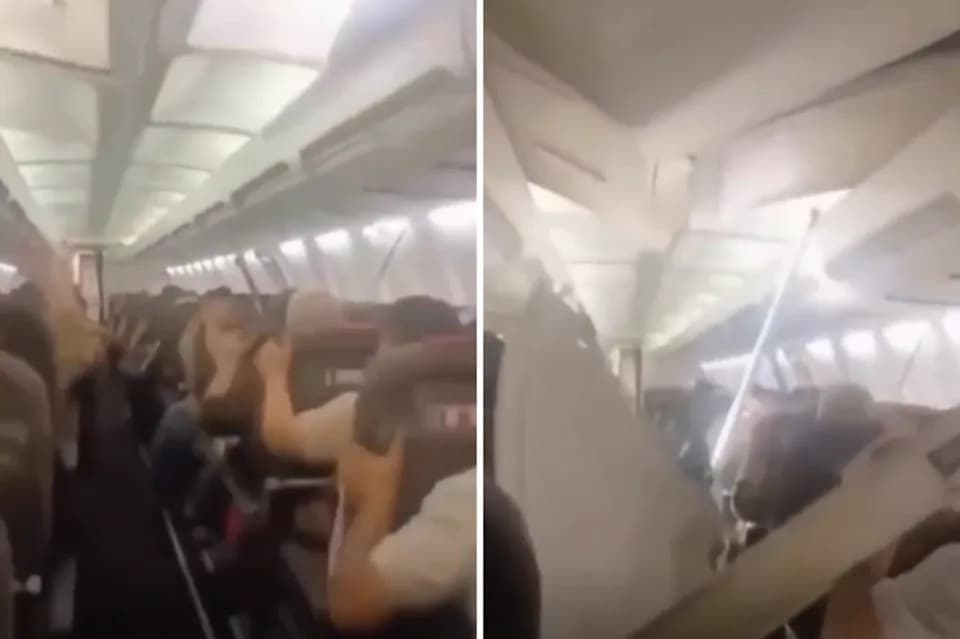
Passengers — not cabin crew, according to Karović's wife Svetlana Grković — initially helped pull him back inside. She told Serbian media that fellow travelers held a suitcase against the breach after an earlier attempt with a bag failed. Ryanair said its crew followed procedures for rapid decompression: remaining seated with seatbelts fastened and oxygen masks on until a safe altitude was reached. The airline added that once it was safe, cabin crew moved Karović next to his wife, arranged for an onboard doctor to assist, and coordinated medical care on landing.
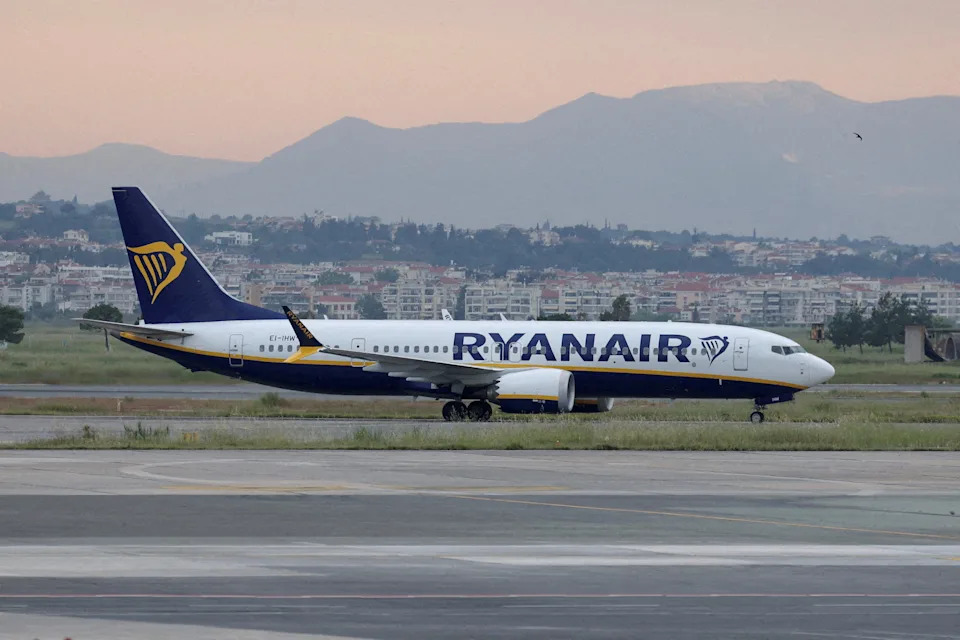
A Ryanair plane is seen on a tarmac at Makedonia airport in Thessaloniki, Greece on May 7, 2026.
Injuries and Aftermath
Karović reported fainting multiple times during the incident and sustaining injuries to his head, neck and right arm. Doctors have recommended he wear a neck brace for at least six weeks while they assess whether surgery will be necessary. Karović described ongoing psychological distress and urged passengers to keep their seatbelts fastened at all times.
Investigation
Greek authorities initially suggested that debris from the aircraft's engine may have shattered the window. Ryanair CEO Michael O'Leary said early indications pointed to possible foreign-object damage to an engine during takeoff, but investigators have not confirmed a cause. The U.S. National Transportation Safety Board (NTSB) has said it will assume control of the investigation; Greek and other aviation authorities are also involved and inquiries remain ongoing.
Context and Safety Takeaways
Uncontained cabin decompression events are rare but can be catastrophic. This case underscores the importance of wearing seatbelts while seated and following crew instructions during emergencies. Ryanair and aviation safety agencies are continuing their inquiries to determine the precise cause and to recommend any safety actions.
Reporter Contact: Anthony Thompson, [email protected]
Help us improve.