The U.S. Supreme Court will review whether Alaska can forfeit pilot Kenneth Jouppi's Cessna — valued at about $95,000 — after troopers found a six-pack of beer during a 2012 flight to a dry village. Jouppi was convicted of a misdemeanor, fined $1,500 and jailed for three days, and argues that taking his plane would constitute an unconstitutional excessive fine. The Alaska Supreme Court upheld forfeiture in April 2025, citing grave social harms from alcohol importation; the national high court will now decide whether that forfeiture is disproportionate under the Eighth Amendment.
Supreme Court Will Decide Whether Alaska Can Seize Pilot's $95K Plane Over a Six-Pack
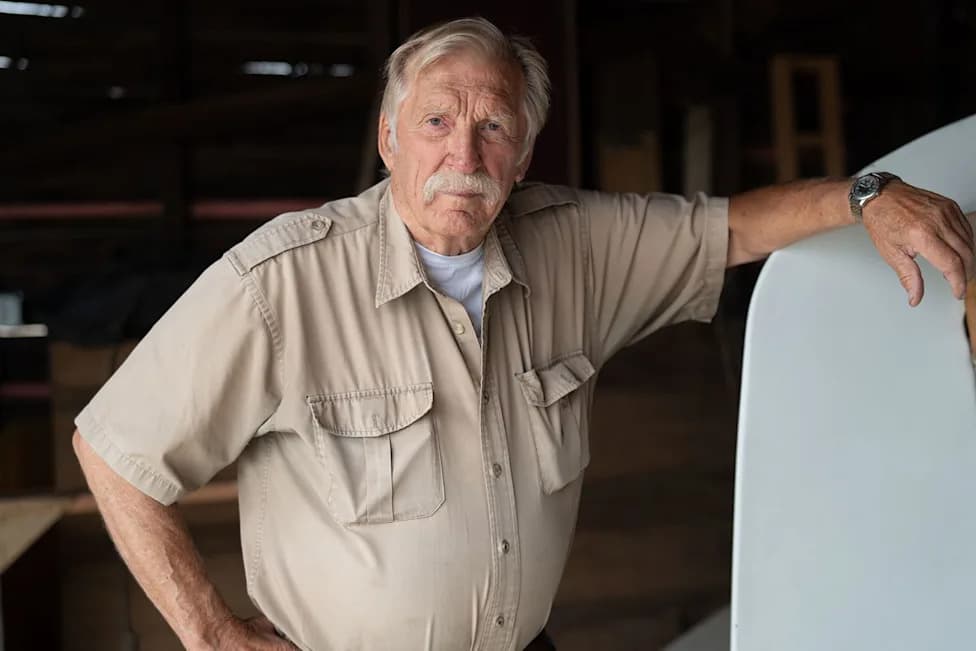
Kenneth Jouppi, an Alaksan bush pilotCredit: Institute for Justice
The U.S. Supreme Court has agreed to review whether Alaska may forfeit an airplane after state troopers found a six-pack of beer aboard during a 2012 flight to a dry village — a case that raises questions about the reach of the Constitution's Excessive Fines Clause.
On April 3, 2012, veteran bush pilot Kenneth Jouppi prepared to fly a passenger and her groceries from Fairbanks to Beaver, a remote community designated a dry village since 2004. Before departure, troopers searched the aircraft and observed a six-pack of beer in plain view. Jouppi has consistently maintained he was unaware of the alcohol.
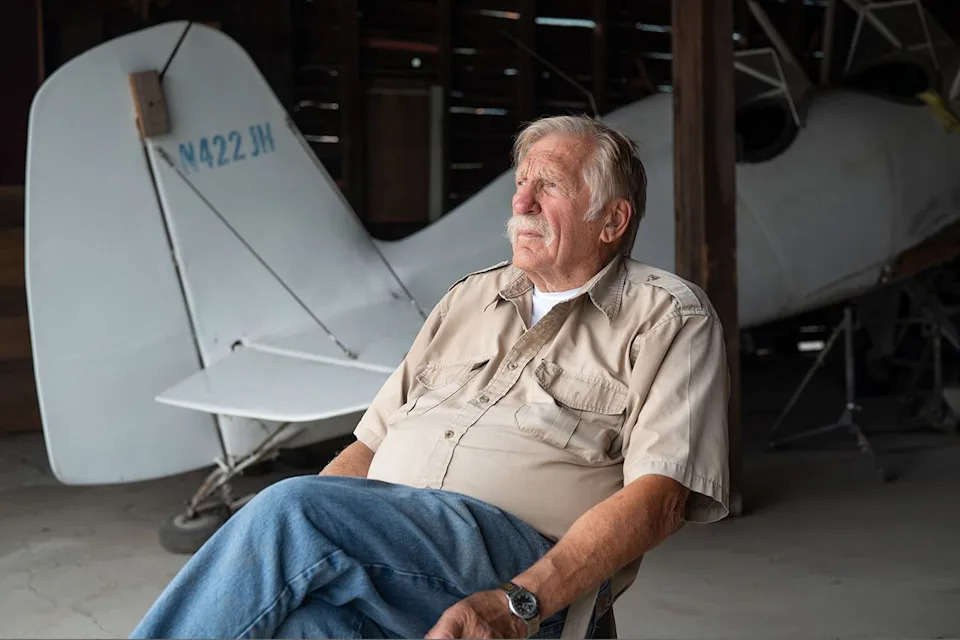
Kenneth JouppiCredit: Institute for Justice
Jouppi was charged, convicted of a misdemeanor related to alcohol importation, and sentenced to a $1,500 fine and three days in jail, according to the Institute for Justice (IJ), which now represents him. Despite the relatively minor criminal penalty, Alaska has pursued civil forfeiture of Jouppi's plane — a Cessna U206D estimated to be worth roughly $95,000 — for about 14 years.
Jouppi sued to block the seizure, arguing that forfeiting the aircraft would be an "unconstitutionally excessive fine" under the Eighth Amendment. In April 2025 the Alaska Supreme Court rejected that claim, upholding forfeiture and emphasizing the serious social costs that alcohol importation can bring to rural communities.
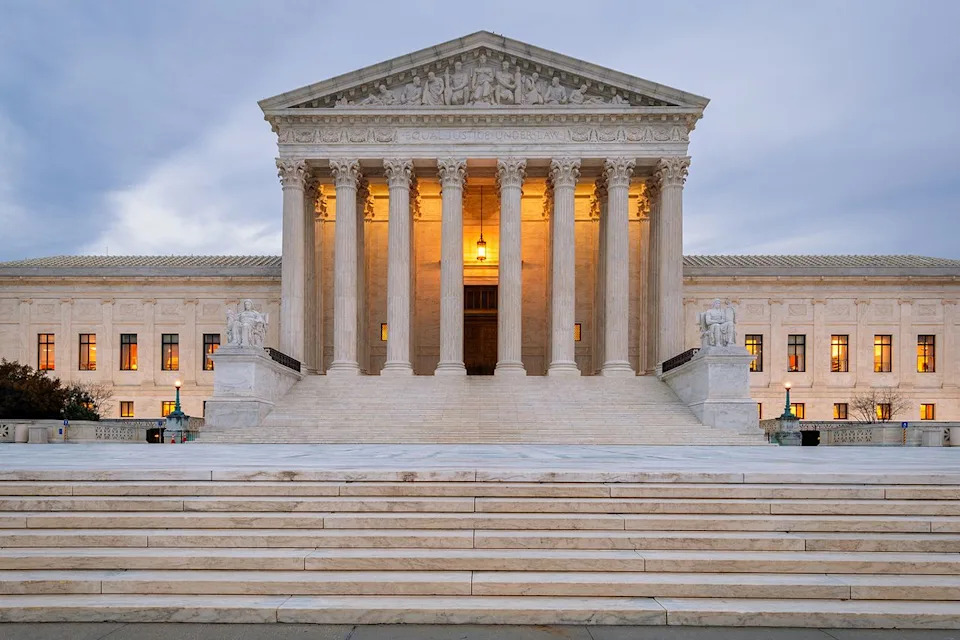
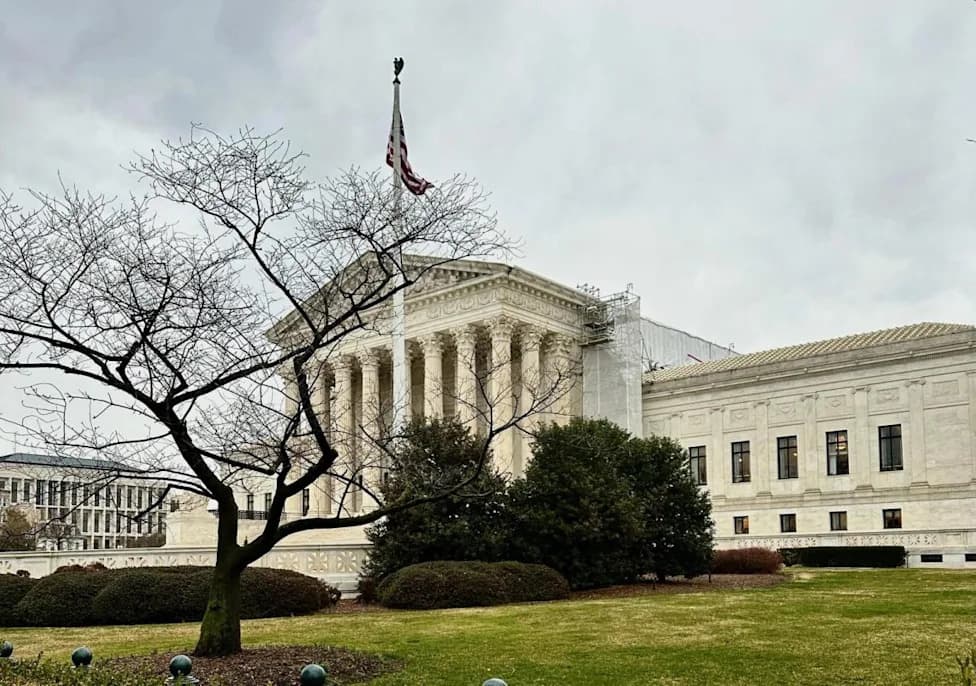
Steps to the U.S. Supreme Court in Washington, D.C.Credit: Joe Daniel Price/Getty
"Alcohol abuse in rural Alaska leads to increased crime; disorders, such as alcoholism; conditions, such as fetal alcohol spectrum disorder; and death, imposing substantial costs on public health and the administration of justice," the Alaska Supreme Court wrote, according to the Alaska Beacon. "Within this context, it is clear that the illegal importation of even a six-pack of beer causes grave societal harm."
This week the U.S. Supreme Court agreed to hear the case, setting up a review of whether the forfeiture is proportionate to Jouppi's misdemeanor conviction and whether the Excessive Fines Clause limits the state's use of civil forfeiture in such circumstances.
Jouppi, now in his 80s, said he was "thrilled" that the nation's highest court would take the case, calling his long fight more than a personal battle: a defense of constitutional limits on government power. IJ attorney Mike Greenberg framed the issue as a fundamental Eighth Amendment question: penalties must fit the crime. IJ points to a prior victory in which the Indiana Supreme Court held that forfeiting a $40,000 Land Rover over a low-level drug offense was unconstitutionally excessive.
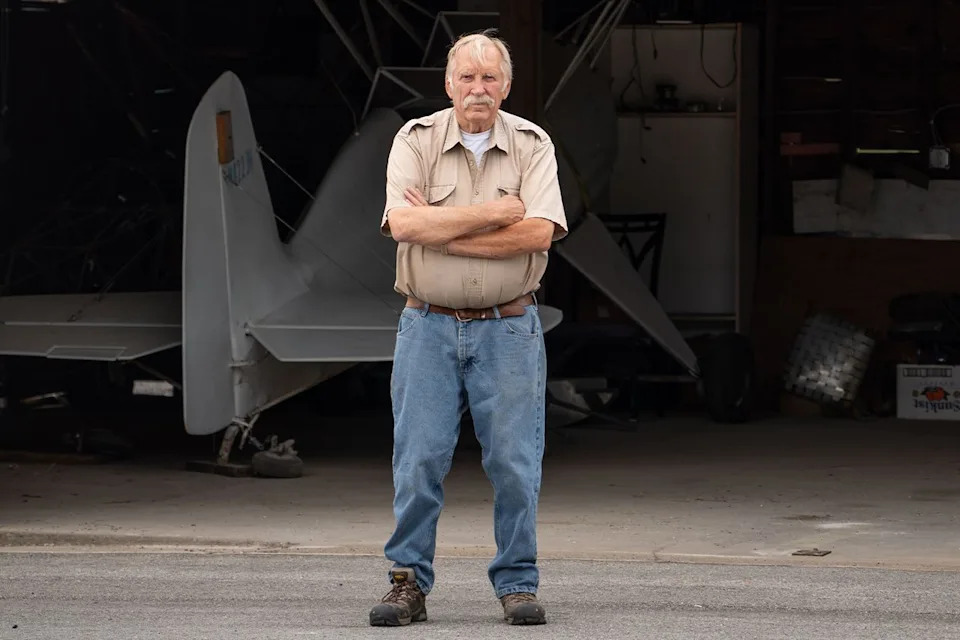
Kenneth JouppiCredit: Institute for Justice
Alaska's attorneys, in a brief filed in November 2025, argued the case is different because Jouppi was a career pilot and business owner who "intentionally aided" customers in transporting alcohol into dry villages where alcohol causes demonstrable social harm. The state also noted that Jouppi flew the same passenger to Beaver later that day on a second aircraft and that the trial court allowed him to retain possession of the first plane while forfeiture proceedings continued.
The Supreme Court's eventual ruling could have broad implications for civil-forfeiture law and the scope of the Excessive Fines Clause, affecting not only forfeiture cases in Alaska but similar practices across the country.
Help us improve.