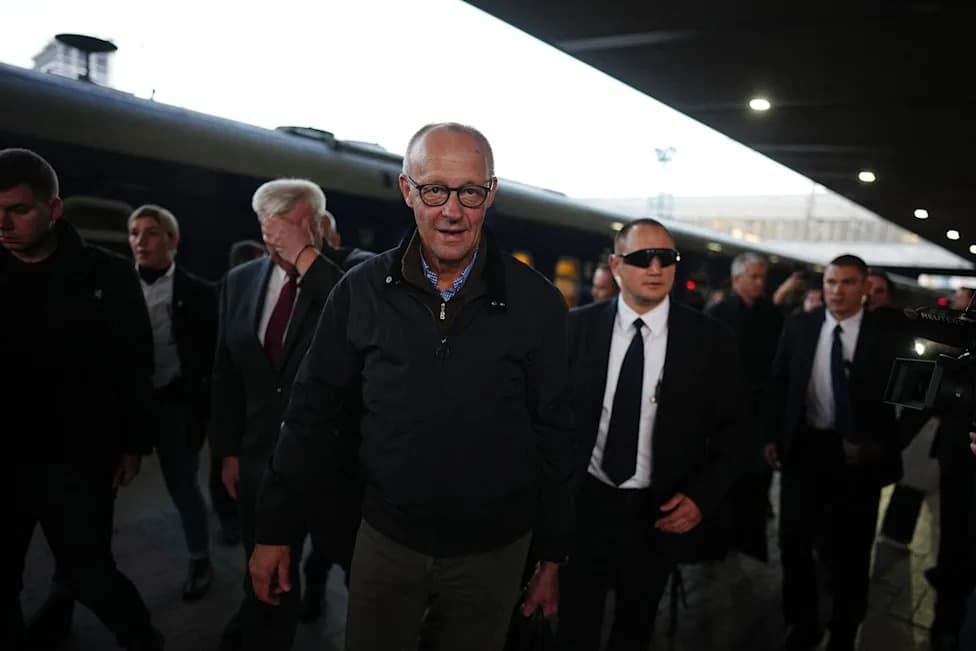
Germany's foreign minister, Johann Wadephul, wrapped up a two-day visit to Nigeria aimed at boosting trade and investment as geopolitical competition intensifies. He singled out IT, critical raw materials, renewable energy and pharmaceuticals as priority sectors and noted bilateral trade rose about 10% last year. Wadephul praised Nigeria's role fighting insurgency but warned of Sahel spillover risks, while Germany's declining aid budget and Nigeria's painful short-term inflation from reforms complicate the picture.
German FM Seeks to Deepen Business Ties With Nigeria as Geopolitics Shift
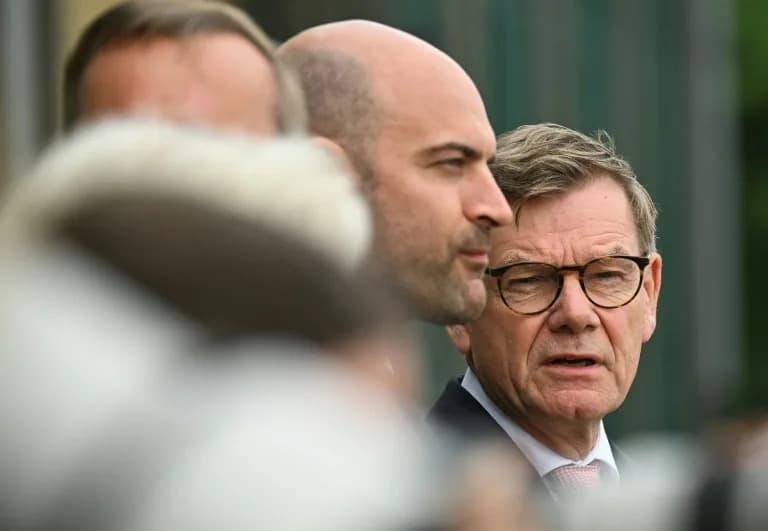
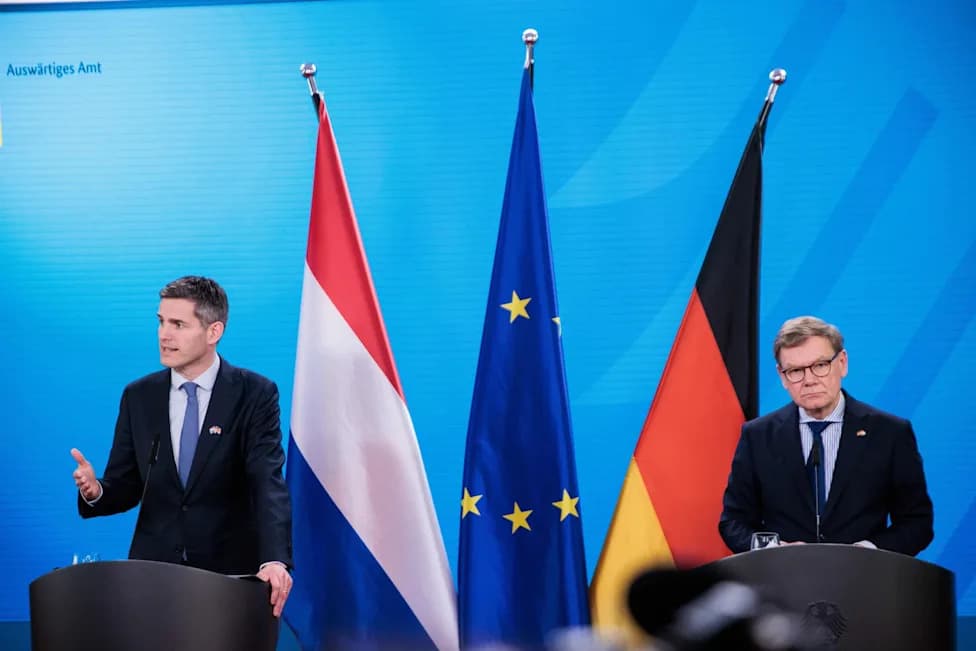
German Foreign Minister Johann Wadephul is on a three-country tour of Africa (INA FASSBENDER)
Germany's foreign minister, Johann Wadephul, concluded a two-day visit to Nigeria on Wednesday as Berlin looks to deepen trade and investment ties across Africa amid growing geopolitical competition from the United States, China and Russia.
Wadephul met his Nigerian counterpart, Bianca Odumegwu-Ojukwu, in Abuja after visiting the commercial hub of Lagos, urging "strengthening trade and investment" and highlighting that bilateral trade with Nigeria grew by about 10 percent last year. On his third trip to Africa this year, he pointed to particular opportunities in information technology and the country's "vibrant start-up sector," and identified "critical raw materials, renewable energy and the pharmaceutical industry" as priority areas for expansion.
Diplomatic Context
The visit comes as diplomatic and trade tensions have intensified globally: European leaders have expressed concern about shifts in U.S. trade policy and uncertainties around NATO cohesion, while Europe also faces pressure from what it calls unfair Chinese trade practices and the economic fallout of Russia's war in Ukraine. China and Russia have strengthened, respectively, economic and security ties across Africa, and Germany is positioning itself to offer alternative partnerships.
Dwindling Foreign Aid And Security Cooperation
Wadephul praised Nigeria for standing "on the front line in the fight against terrorism and violent extremism," noting the country has battled a jihadist insurgency concentrated in its northeast since 2009 and warning of possible "spillover" from insurgencies in the neighbouring Sahel.
"We are not coming from the north and educating people, but we are coming and saying... 'we do not know anything better, we have to learn from you,'" said Claudia Roth, the Green Party MP who accompanied Wadephul, stressing a collaborative approach.
At the same time, Germany's foreign aid budget has been trimmed repeatedly in recent years, complicating pledges of security and humanitarian cooperation. Observers also note a broader Western retrenchment in aid, including scrutiny of changes to U.S. assistance programs.
Economic Reforms And Domestic Strains
Wadephul's visit coincided with significant economic changes in Nigeria under President Bola Tinubu, whose reforms—including liberalising the naira exchange rate, overhauling the tax code and removing a costly fuel subsidy—have been welcomed by many economists and investors but have also produced sharp short-term inflation and public frustration.
The German delegation stopped in Mauritania earlier in the trip, with Roth warning that Mauritania "desperately needs" humanitarian aid amid a refugee surge from neighbouring Mali. Wadephul's three-country tour is scheduled to end in South Africa on Thursday.
Outlook
Germany is pitching a mix of commerce, development and security cooperation as it competes for influence and partnerships in Africa. The emphasis on technology, critical materials and renewable energy reflects a strategy to build long-term commercial links while responding to regional stability concerns.
Help us improve.