The Sarasota Bay study finds that dolphins engaging in human-linked foraging (taking bait, scavenging, approaching people) preferentially associate with others using the same tactics. Using 1995–2012 data divided into before/during/after intense red tide windows, researchers report human-centric foraging rose from 12% to 41%. Red tides temporarily weakened the social link, but overall the pattern suggests human interactions can reshape dolphin social networks, raising conservation concerns.
Human Activity Is Rewiring Dolphins' Social Networks, Long-Term Study Finds
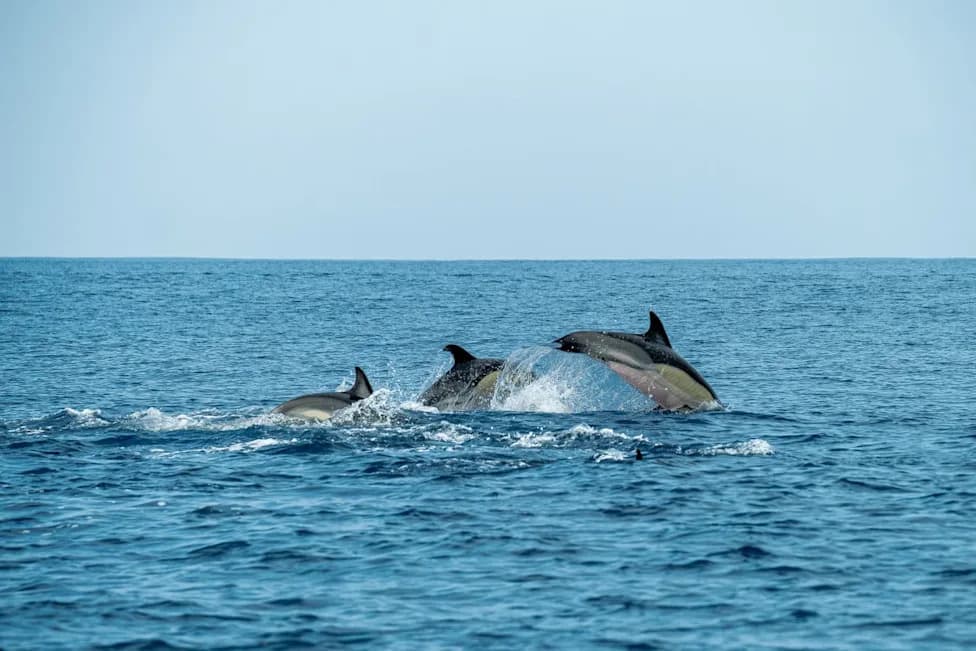
(Photo by Francesco Ungaro via Pexels)
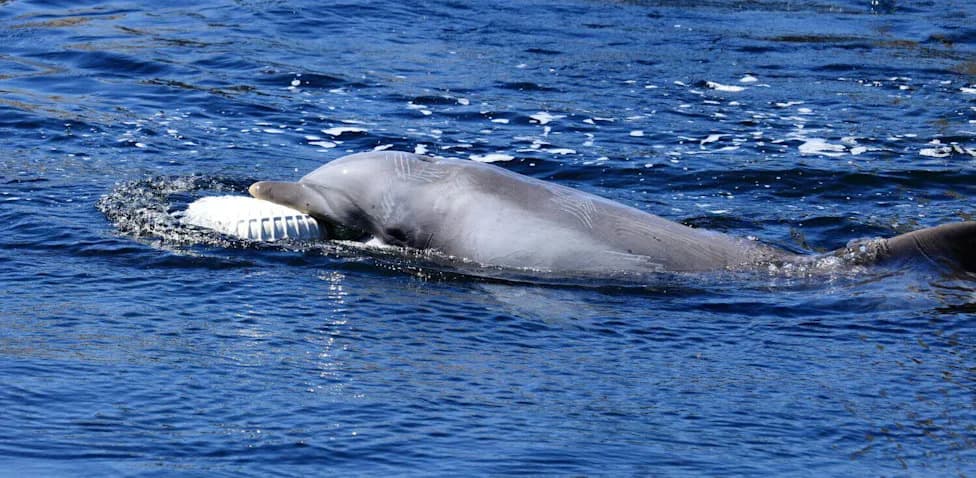
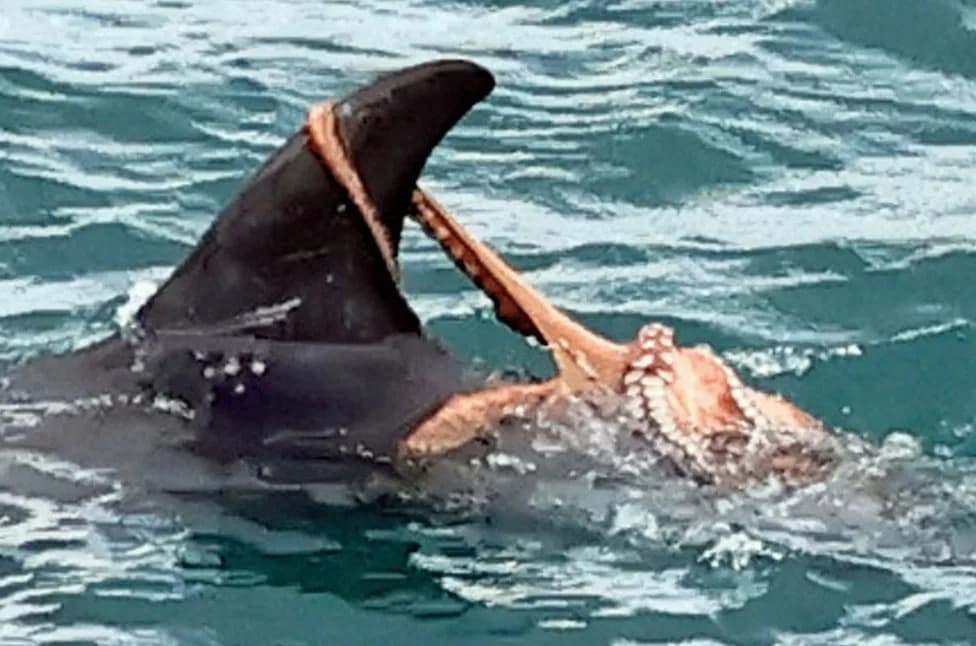
New research shows human behavior is changing the social lives of bottlenose dolphins in Sarasota Bay, Florida. Scientists analyzing more than two decades of observations found that dolphins using risky, human-linked foraging tactics — such as taking bait or catch from fishing gear, scavenging discarded bait or fish, or approaching people for food — tend to associate more with other dolphins that use the same tactics.
Long-Term Data Reveals Social Shifts
The study, published in the journal Animal Behaviour, used observational records from the Sarasota Dolphin Research Program (supported by Brookfield Zoo Chicago), which has monitored this resident dolphin community for more than 56 years. For this analysis researchers focused on animals reliably observed between 1995 and 2012 and divided the dataset into three six-year windows: before, during and after a period of intense harmful algal blooms ("red tides") in the early 2000s.
(Photo by Richard Block via Pexels)
Human-Centric Foraging Shapes Associations
The team found that dolphins with similar levels of human-linked foraging were more likely to associate with each other. That pattern persisted after the researchers accounted for other common drivers of association, including sex, age and home-range overlap. Quantitatively, the share of dolphins observed engaging in human-centric foraging rose from about 12% before the red-tide period, to 22% during it and to 41% afterward.
Environmental Stress Alters The Pattern
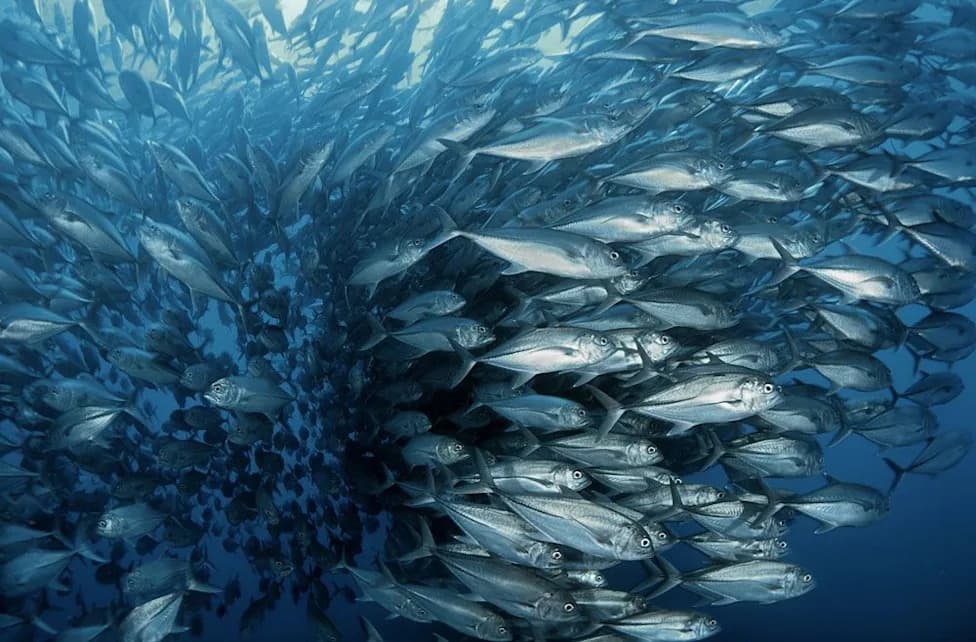
Severe red tides reduced the availability of many fish species dolphins rely on, forcing wider searches for food and increasing encounters with human-related food sources. During and immediately after the intense blooms, the link between shared human-centric foraging and social association weakened. The authors suggest that when natural prey is scarce, dolphins may temporarily aggregate around remaining natural prey patches, reducing the importance of shared human-focused tactics in structuring social ties. After conditions eased, human-centric behaviors appeared to spread more broadly through the social network.
(Photo by Raven Domingo via Pexels)
"Dolphins are highly social animals. This study shows that human activities can do more than change where dolphins feed or how they find food. They can influence the social fabric of a dolphin community," said lead author Kyra Bankhead of Oregon State University.
Study co-author Dr. Katherine McHugh, deputy director of the Sarasota Dolphin Research Program, added: "From a human perspective, feeding or interacting with a dolphin may seem harmless or even helpful. But for dolphins, these interactions can have lasting consequences."
Risks And Conservation Implications
Researchers emphasize several serious risks associated with human-related feeding and scavenging: increased boat strikes, entanglement or ingestion of fishing gear, hooking, injuries, decreased reproductive success and mortality. For long-lived, socially complex animals like dolphins, shifts in social structure can affect learning, survival and resilience across generations.
Co-author Dr. Randall Wells stressed the conservation message: "The best way to help wild dolphins is to let them remain wild." In the United States, feeding or attempting to feed wild marine mammals is illegal, and the authors call for continued public education and enforcement as harmful algal blooms and other coastal stresses become more frequent or severe.
Bottom line: Human-linked foraging is reshaping social associations among Sarasota Bay dolphins, with environmental disturbances like red tides interacting with and sometimes amplifying those effects — a finding with clear conservation and management implications.
Help us improve.