The study finds that South American avocado varieties were carried into Central America about 4,000–5,000 years ago and hybridized with native trees to create genetically distinct lowland landraces still grown today. Researchers sampled 47 landraces (32 from Nicaragua) and compared them with more than 200 avocado lineages to trace these movements. The results highlight the genetic uniqueness of Nicaraguan lowland avocados and the value of preserving landrace diversity to protect the clonal Hass industry from disease and climate stressors.
Ancient Humans Brought South American Avocados Into Central America 4,000–5,000 Years Ago
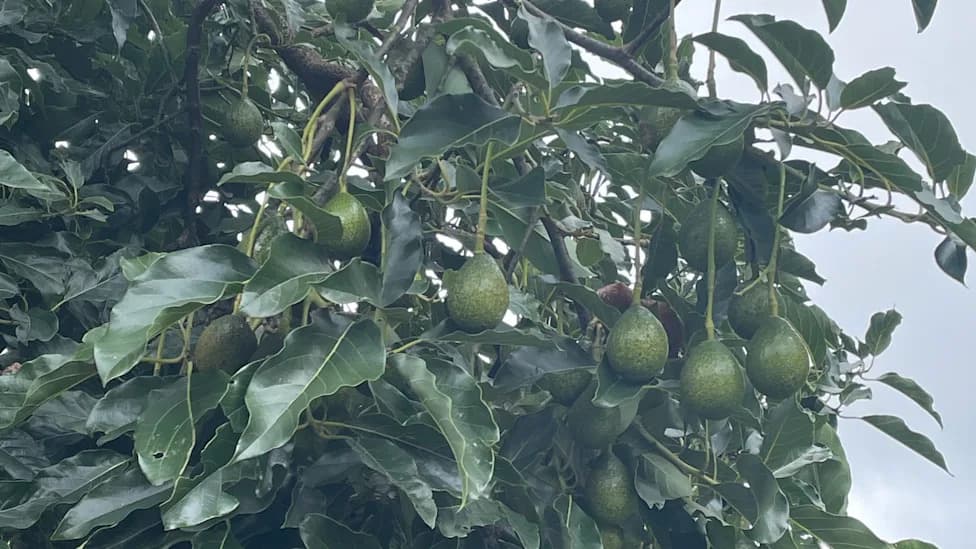
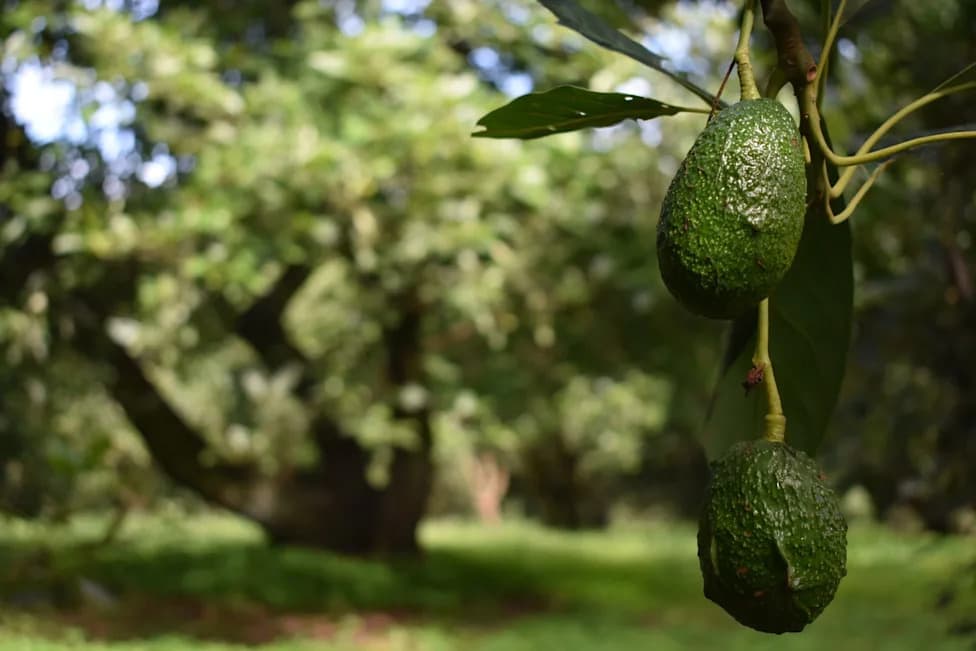
Fruit grows in a native avocado tree in southern Mexico. The smooth- skinned fruit of native avocado trees in this region are genetically distinct from the fruit found at the grocery store.
About 4,000–5,000 years ago, people migrating north from parts of South America carried avocado varieties into Central America's humid lowlands and planted them there. Those introduced trees crossed with local types to create large, smooth‑skinned landraces that are still grown in Nicaragua and neighboring regions today. Genetic analysis in a new study published in Plants, People, Planet reveals this movement and the distinct lineage of these lowland avocados.
How the Study Was Done
Researchers led by Smithsonian archaeologists collected leaf samples from native avocado varieties across southern Mexico, Nicaragua and coastal Honduras. The team analyzed DNA from 47 native landraces (32 from Nicaragua) and compared those sequences with genetic data from more than 200 other avocado lineages. Their results show that the Nicaraguan lowland landraces are genetically linked to populations farther south, including coastal Colombia, while samples from southern Mexico are closer to highland Mexican and commercial varieties.
Why This Matters
Modern avocado production is heavily dominated by a single variety: the Hass avocado. More than 80% of the global commercial supply comes from Hass trees propagated by clonal grafting, making them genetically uniform and vulnerable to disease and environmental shifts. The study's authors point to Central America's lowland landraces as an important reservoir of genetic diversity that could help breeders and growers build resilience against threats such as root rot and climate change.
'What is fascinating about Nicaraguan avocados is that they look very similar to supermarket varieties in humid regions, but they represent a completely different genetic lineage,' says Kevin Wann, an archaeologist at the Smithsonian's National Museum of Natural History and a co‑author of the study.
Local Knowledge and Fieldwork
The research combined genetic lab work with interviews of local gardeners and farmers, who reported that many native landraces show resistance to root rot and thrive in warm, wet conditions. Some growers graft commercial Hass branches onto native rootstocks to combine desirable fruit traits with local disease tolerance and environmental adaptation.
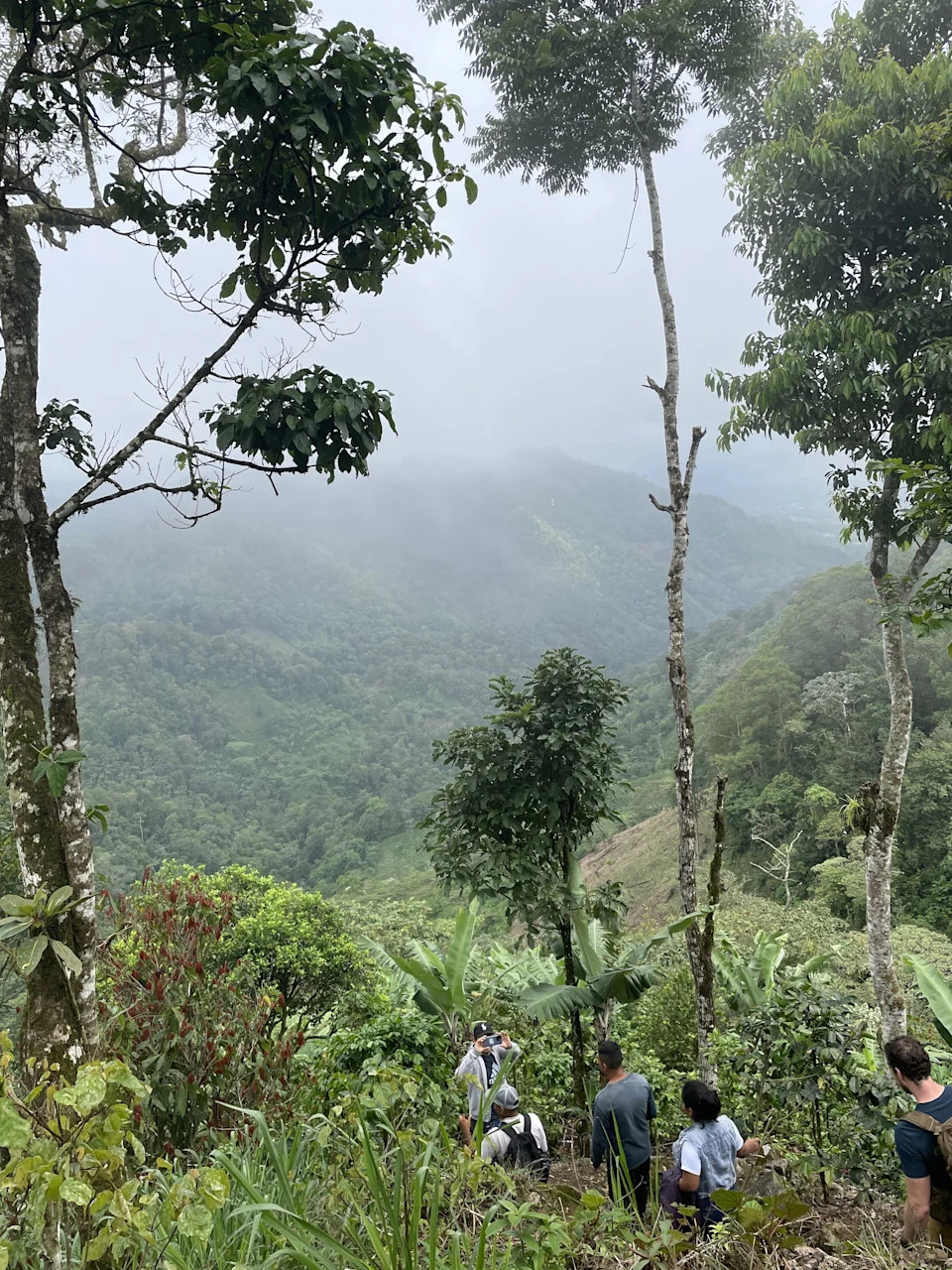
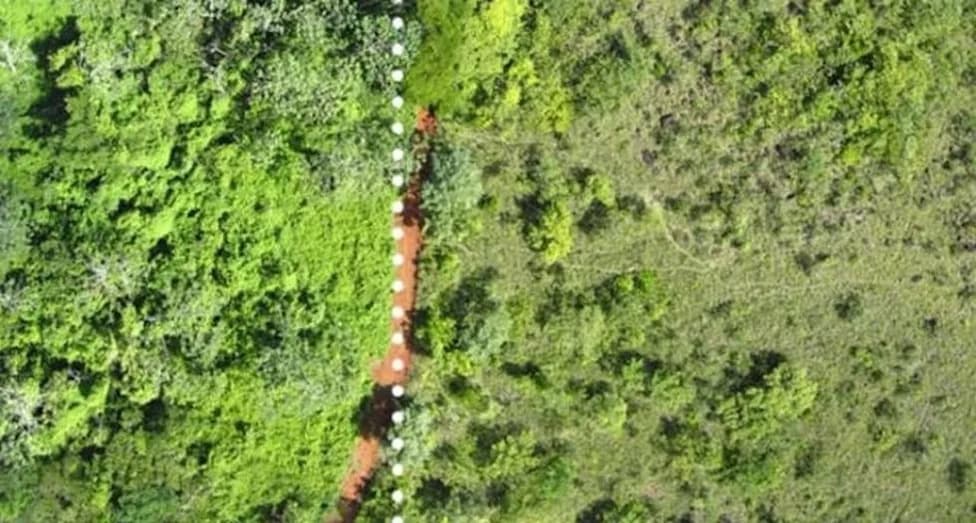
Researchers traverse a cloud forest next to a coffee farm near Jinotega, Nicaragua. The muggy lowlands of countries like Nicaragua and Honduras are rich in avocado diversity. Here, traditional agricultural practices have honed the region's native avocado varieties for thousands of years.Image: Kevin Wann, 2024 Nejapa Archaeology Project.
Broader Context
The team dates the human‑mediated movement of South American avocado varieties into parts of Central America to roughly the same period when other South American crops—such as cacao and some maize varieties—appear in Central American contexts. Increased interaction and agricultural exchange across the region likely promoted the spread and mixing of plant varieties.
Practical Implications: Preserving and studying these landraces could provide genes for disease resistance and climate adaptation, reducing the risk posed by the current reliance on a single cloned variety. Historical examples—like the near‑collapse of Gros Michel bananas to Fusarium wilt—highlight the danger of low genetic diversity in clonally propagated crops.
Field note: The paper's lead researcher Kevin Wann described challenging fieldwork—including food poisoning and a wasp sting—and memorable moments such as tasting a native avocado offered by a local grower for the first time during his dissertation work.
Image: Kevin Wann, 2024 Nejapa Archaeology Project.
Help us improve.