The death of Sen. Lindsey Graham is the sixth lawmaker fatality in the 119th Congress, bringing midterm replacements to 13. South Carolina's governor appointed Darline Graham Nordone as an interim senator after a presidential recommendation; she will serve until a Nov. 3 election. Experts say these vacancies matter because Republican margins are narrow in both chambers, making interim appointments and special elections potentially decisive. State laws vary widely on how and when vacancies must be filled.
Deaths and Resignations Put Narrow Congressional Majorities at Risk
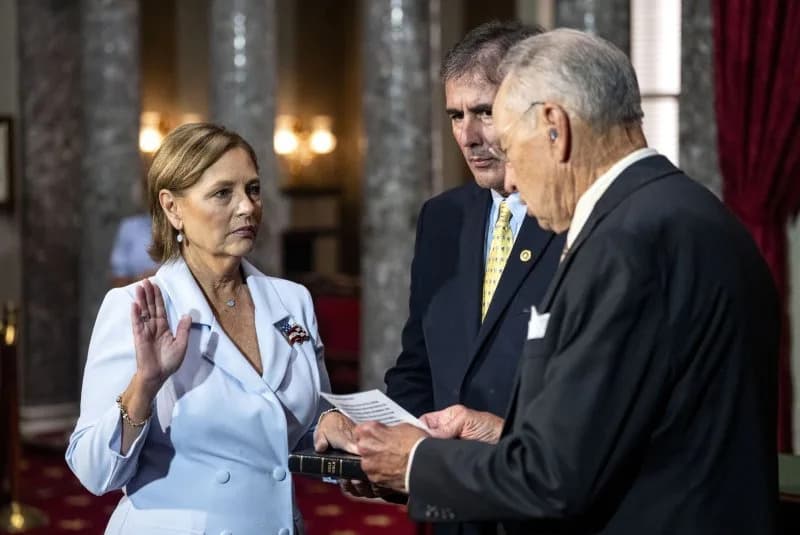
Newly sworn-in Sen. Darline Graham Nordone, the sister of late Sen. Lindsey Graham, R-S.C., participates in a ceremonial swearing in ceremony with Senate President Pro Tempore Chuck Grassley, R-Iowa, and her husband, Larry Nordone, in the Old Senate Chamber at the U.S. Capitol in Washington, D.C., on Tuesday. Photo by Bonnie Cash/UPI
The recent death of Sen. Lindsey Graham marks the sixth lawmaker fatality in the 119th U.S. Congressional term and raises the number of members who must be replaced midterm to 13. South Carolina Gov. Henry McMaster appointed Darline Graham Nordone—whom President Donald Trump publicly recommended—to serve as an interim senator until a successor is elected on Nov. 3.
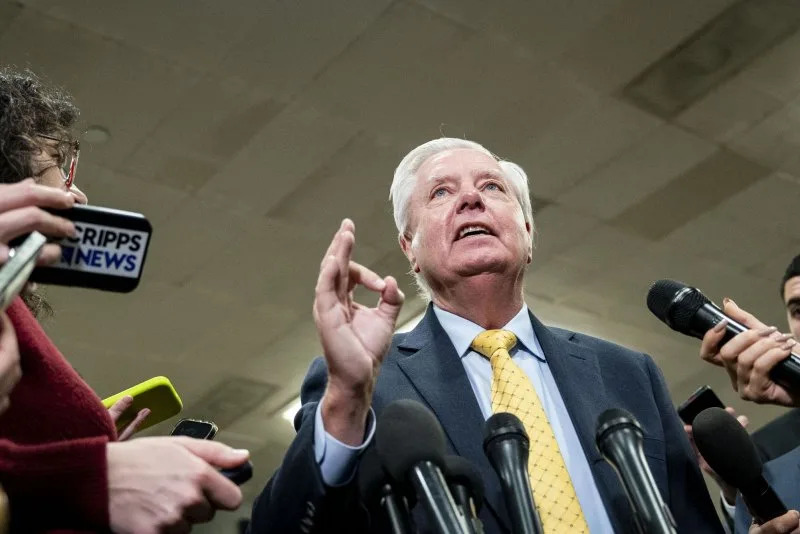
The death of Sen. Lindsey Graham is the sixth in the 119th Congressional term, bringing the total number of lawmakers needing to be replaced during their term to 13. File Photo by Bonnie Cash/UPI
Presidential endorsements are political, not procedural. The White House has no formal role in appointing interim lawmakers; governors follow state law when filling vacancies. Experts say the current wave of departures matters because both chambers have narrow Republican margins.
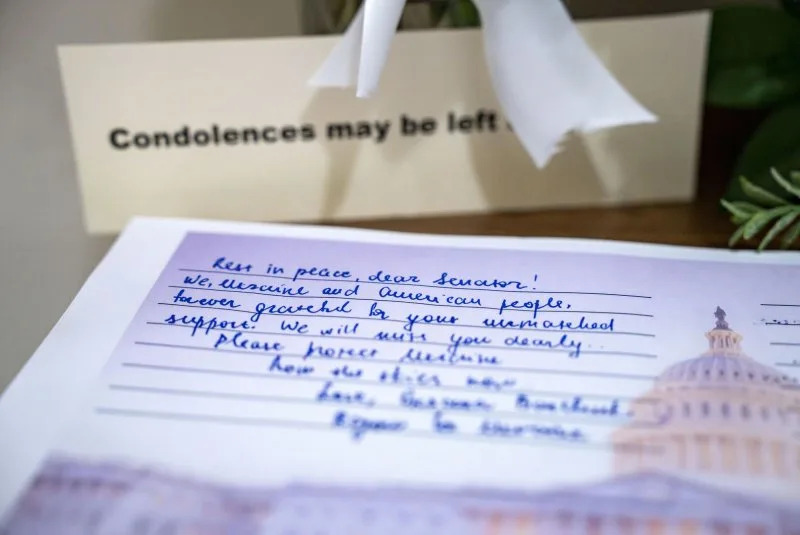
A book for condolences, sticky notes and flowers are seen outside the office of the late Sen. Lindsey Graham, R-S.C.,, at Russell Senate Office Building in Washington, D.C., on Monday. Photo by Bonnie Cash/UPI
Why This Matters
Meena Bose, dean of Hofstra University's public policy program and director of presidential studies, told reporters that the small margins in Congress amplify the impact of vacancies. "A margin of three in the Senate is harder to overcome than in the House because fewer seats are competitive," she said. With control of key committees and close votes at stake, interim appointments and special elections can influence legislative outcomes and the political dynamic heading into November.

California Gubernatorial hopeful Eric Swalwell ended his campaign and his time in the House after numerous allegations of sexual assault surfaced against him in April. File Photo by Ken Cedeno/UPI
Numbers and Trends
Though roughly 10 deaths across a two-year congressional term is historically typical, the 119th term stands out for an unusually high number of resignations. While about three resignations per term are normal, six members have left during this cycle. Combined with recent deaths, that has produced 13 midterm vacancies.
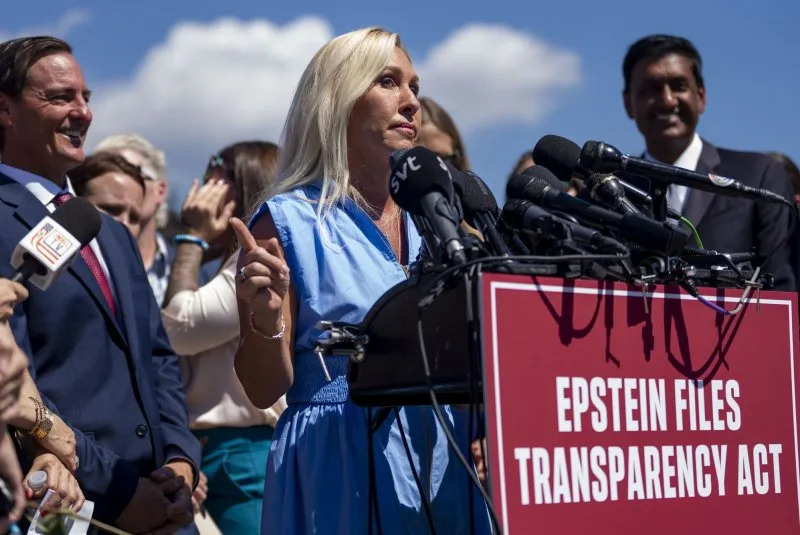
The Republican Party has seen four lawmakers resign during this term, including Marjorie Taylor Greene, R-Ga., who fell out of favor with Trump after pushing for the release of the files on convicted sex offender and former Trump-associate Jeffrey Epstein and voicing criticism of Trump over his second term policies. File Photo by Bonnie Cash/UPI
Vacancies are particularly consequential this term because Republican control is narrow: Republicans currently hold 218 House seats with four active vacancies and a 53-to-45 edge in the Senate. Even a handful of interim appointments or special-election outcomes could shift legislative leverage before the next full terms begin.
Reasons for Departures
The recent resignations reflect a mix of political pressure, electoral ambitions and allegations of misconduct. The article cites several high-profile departures and allegations, which have contributed to the unusually high turnover this cycle. Some lawmakers resigned amid criminal or ethics investigations; others stepped down after losing political support or pursuing other offices.
How Vacancies Are Filled
State law determines the process for replacing members of Congress. In 45 states governors may appoint temporary U.S. senators; in most of those cases the appointee serves until a special or the next general election. Six states (Hawaii, Montana, North Carolina, Maryland, West Virginia and Wyoming) require the governor to select an appointee from a three-person list provided by the departing senator's party; Utah follows a similar process but uses the state legislature to supply nominees. Four states—Kentucky, North Dakota, Rhode Island and Wisconsin—require a special election without any temporary gubernatorial appointment.
The governor's authority to make temporary Senate appointments derives from the 17th Amendment (1913), which shifted senatorial selection to direct election and authorized state executives to name interim replacements. By contrast, the House of Representatives always has been filled by direct election; federal law requires governors to call special elections to fill House vacancies, and most states schedule those votes to coincide with other elections to reduce costs.
Looking Ahead
With the midterm calendar and November elections approaching, each appointment, resignation and special election takes on heightened importance. Voters and party leaders will closely watch how states implement their replacement rules and whether interim appointees influence the balance of power ahead of the next full electoral cycle.
Note: This article summarizes reported departures and state procedures. Some of the resignations and allegations referenced reflect ongoing or reported investigations; individual circumstances may be subject to change as official findings or legal proceedings progress.
Help us improve.