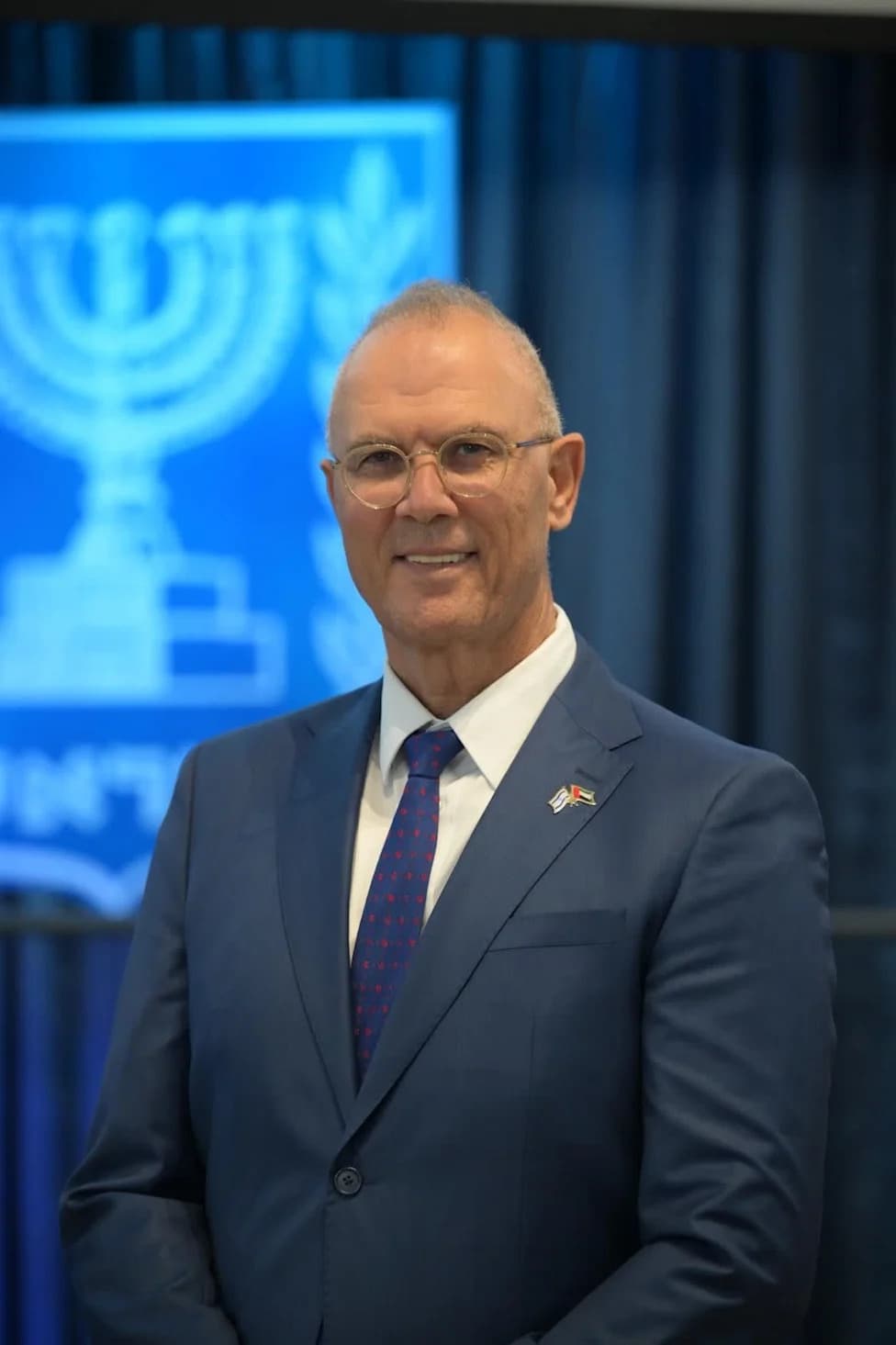
The author, Israel’s first Consul General in Dubai, reflects on six years since the Abraham Accords and concludes the Israel–UAE relationship has proven resilient under major regional stress. After four years establishing Israel’s diplomatic presence in Dubai, the writer highlights four lessons: the durability of the accords, the need for sustained diplomacy, the UAE’s practical leadership, and the distinction between bilateral partnership and wider regional integration. Despite ongoing conflict since October 7, 2023, the author expresses confidence in continued cooperation and Dubai’s role as a regional hub.
What I Learned As Israel’s First Consul General In Dubai: Four Lessons From Six Years Since The Abraham Accords
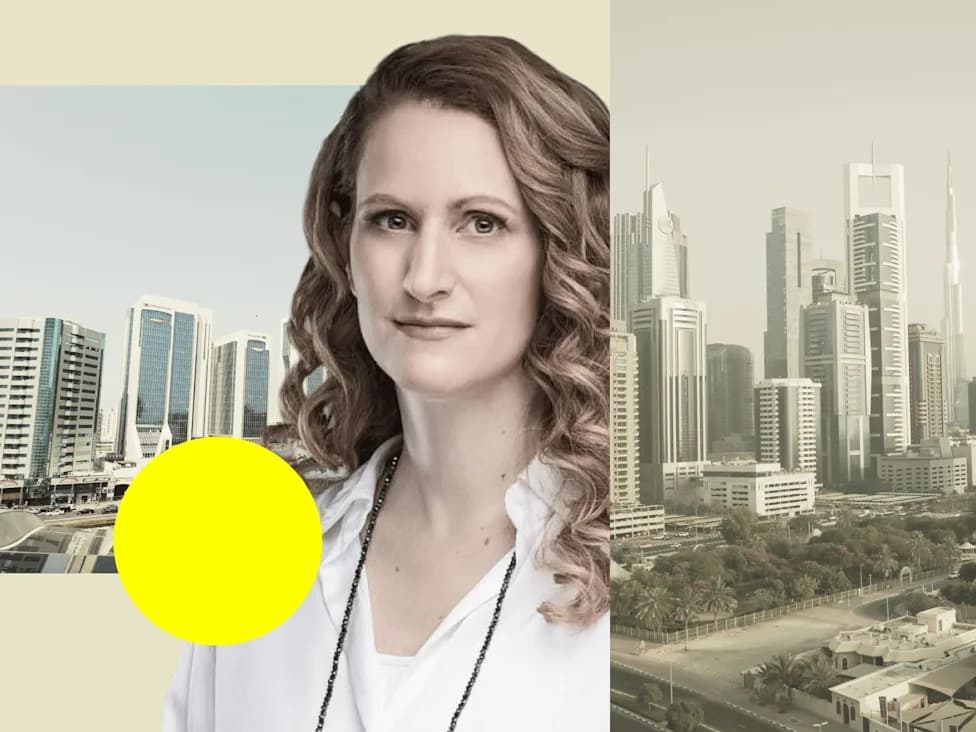
What I learned as Israel’s first Consul General in Dubai
Six years after the signing of the Abraham Accords—an agreement many skeptics predicted would collapse at the first regional upheaval—the diplomatic bridge between Israel and the United Arab Emirates has done more than merely survive. As I mark its latest anniversary and conclude my term as Israel’s first Consul General in Dubai, I can say this relationship has passed a severe geopolitical stress test.
In the intense period following October 7, 2023, and amid broader regional escalations, ties between Israel and the UAE did not break; they demonstrated resilience. After four years of building what I often described as a diplomatic startup from the ground up in Dubai, I leave with deep admiration for the UAE’s leadership culture and a clear sense of what made our progress possible: pragmatism, mutual respect, and a focus on deliverables.
Four Lessons I’m Taking Home
- Durability Through Adversity: The Abraham Accords have withstood pressure beyond what many anticipated. Rather than fraying, the bilateral relationship weathered crises and remained functional because both sides prioritized practical cooperation.
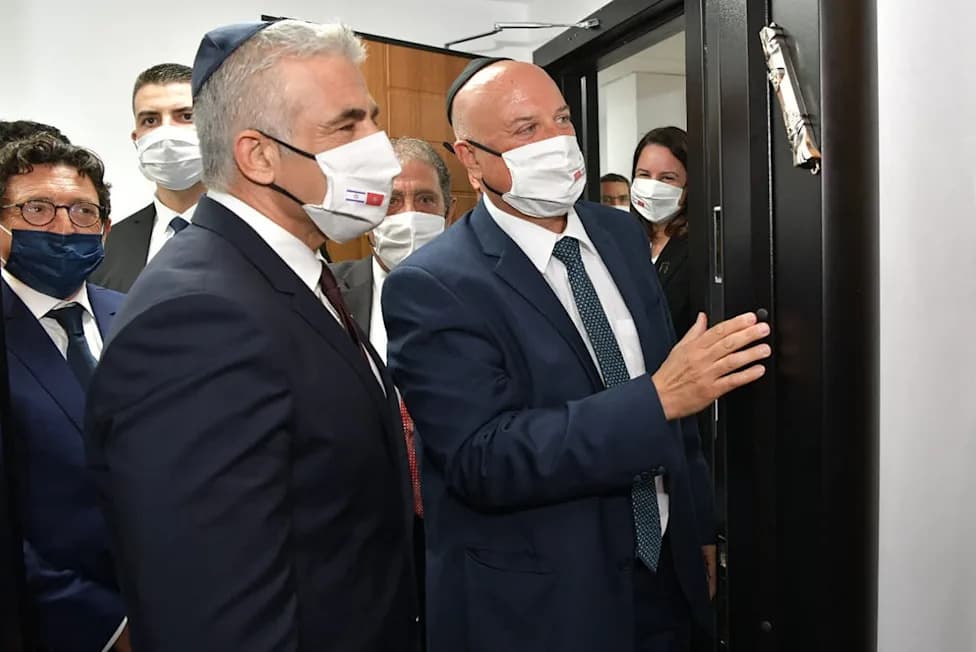
- Diplomacy Requires Sustained Commitment: Building an effective diplomatic presence takes time, patience and constant engagement. What began as a small mission in Dubai grew into a platform for trade, technology and people-to-people ties because we treated diplomacy as a long-term project, not a one-off announcement.
- Leadership Is Practical: The UAE’s leadership culture—decisive, commercially focused and results-oriented—made it an effective partner. That pragmatic approach enabled fast, operational collaboration across business, academic and governmental sectors.
- Operational Partnership Isn’t Automatic Regional Integration: The UAE has become Israel’s most operationally significant Arab partner, but that partnership does not automatically translate into broader regional integration. As Dr. Burcu Ozcelik of the Royal United Services Institute has noted, strategic, political and social dynamics across the region remain complex and require distinct efforts beyond bilateral ties.
Even while Israel defends itself in the difficult context of the post-October 7 period, I remain convinced that goodwill, sustained engagement and an emphasis on dialogue are the only sustainable routes to greater stability. I am proud to have helped lay institutional foundations in Dubai that can grow into deeper economic and diplomatic ties—and I believe Dubai is well positioned to scale as a regional hub.
“The bridge between our countries is built to last,” I concluded—based not on optimism alone, but on four years of practical work and the strong partnerships we forged on both sides.
Help us improve.