Canada's 2026 wildfire season has produced over 900 active fires and burned more than three million acres, driven by lightning, human activity and "zombie fires." Immediate threats to wildlife include flames, heat and smoke—especially for ground-nesting birds, amphibians, reptiles and small mammals—while injured or displaced larger animals may face long-term habitat loss and competition. Aquatic systems are harmed by ash runoff, and wildlife rescues are overstretched. Community support for rehabilitation efforts and stronger fire prevention remain critical.
Canada's 2026 Wildfires: How Animal Habitats Are Destroyed — And What Happens Next
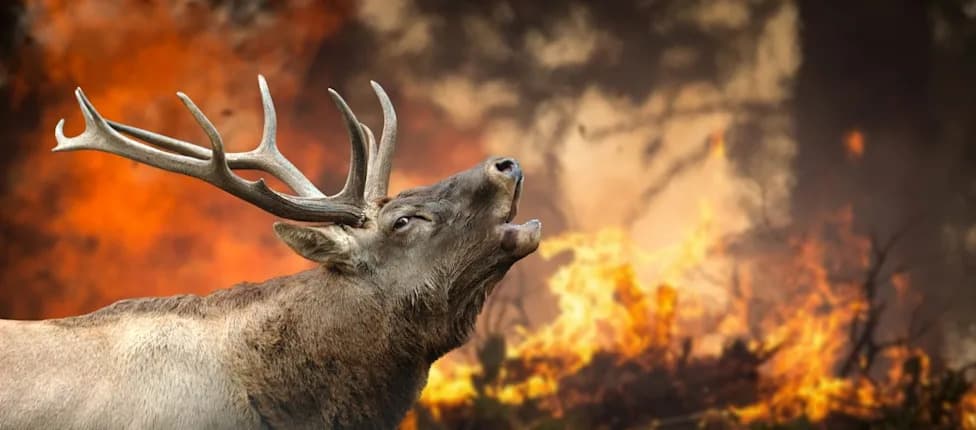
Deer stands in burning forest© Volodymyr Burdiak/Shutterstock.com
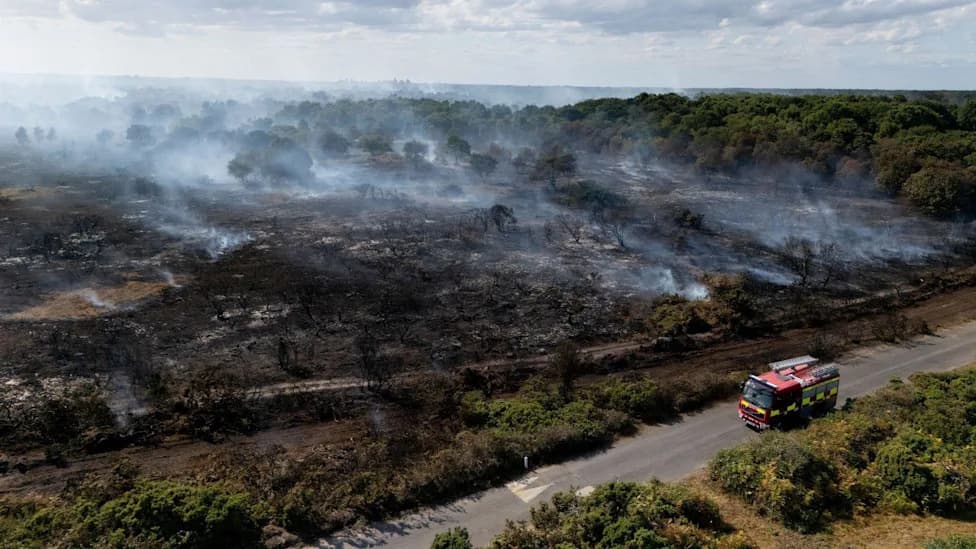
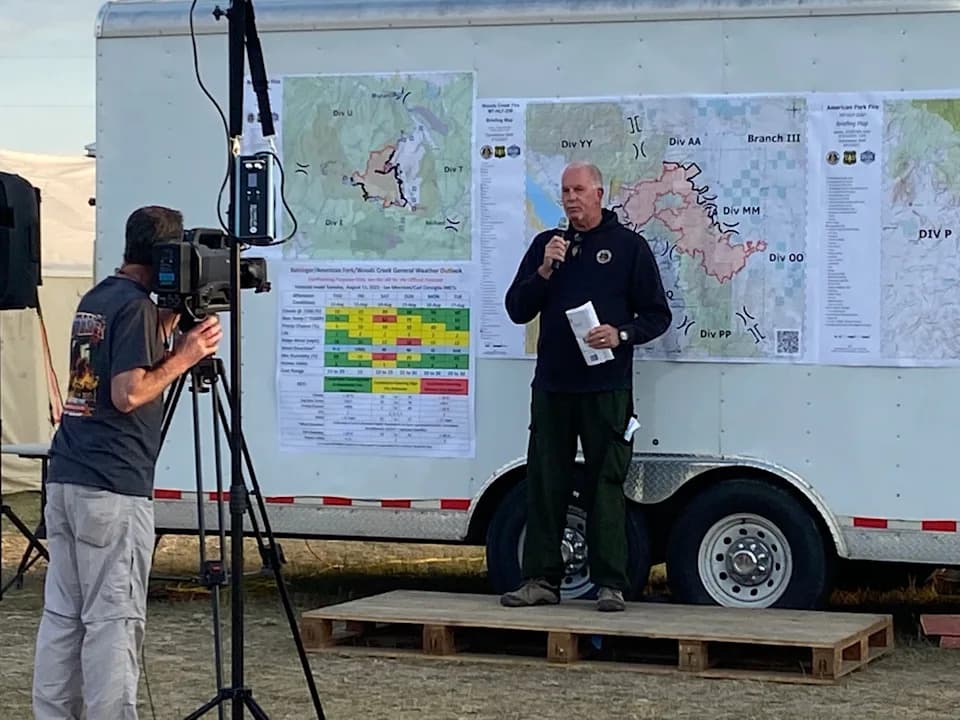
Canada's 2026 wildfire season has been severe: more than 900 active wildfires across multiple provinces, roughly 100 classed as "out of control," and an additional 14 new fires reported on July 20, 2026. According to the Canadian Wildland Fire Information System, over three million acres have burned so far. Dry boreal fuels, high temperatures and a mix of lightning, human-caused ignitions and so-called "zombie fires" (smoldering remnants that reignite when conditions warm) have kept crews working in extremely challenging conditions.
What's Fueling The Fires
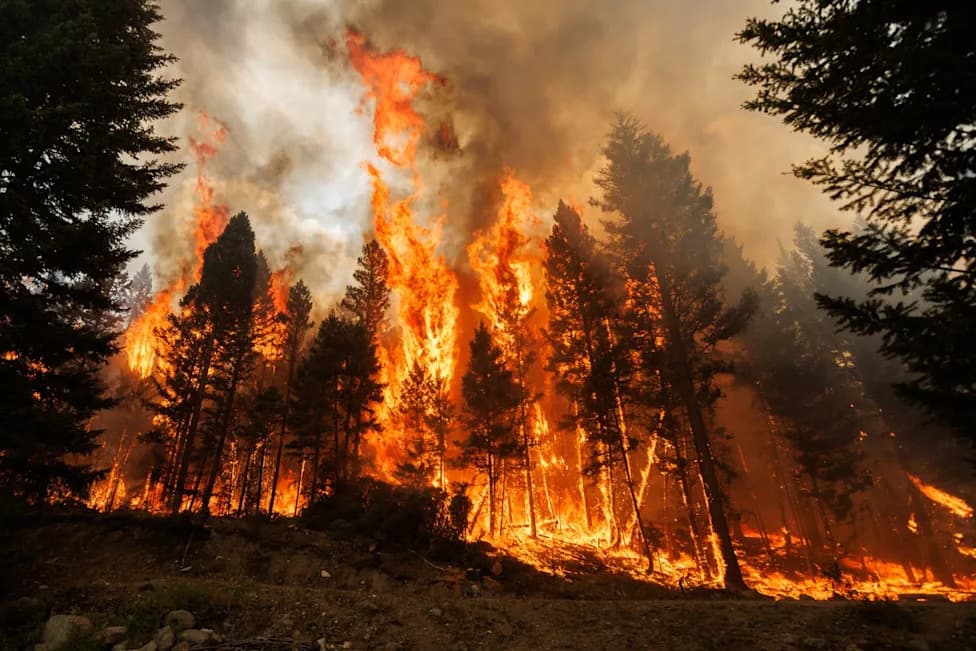
Many blazes began in remote locations after lightning strikes. Fires nearer towns and campsites are often traced to unattended campfires, sparks from machinery or discarded cigarettes. "Zombie fires" have also re-emerged in previously smoldering areas when weather warmed, complicating containment efforts.
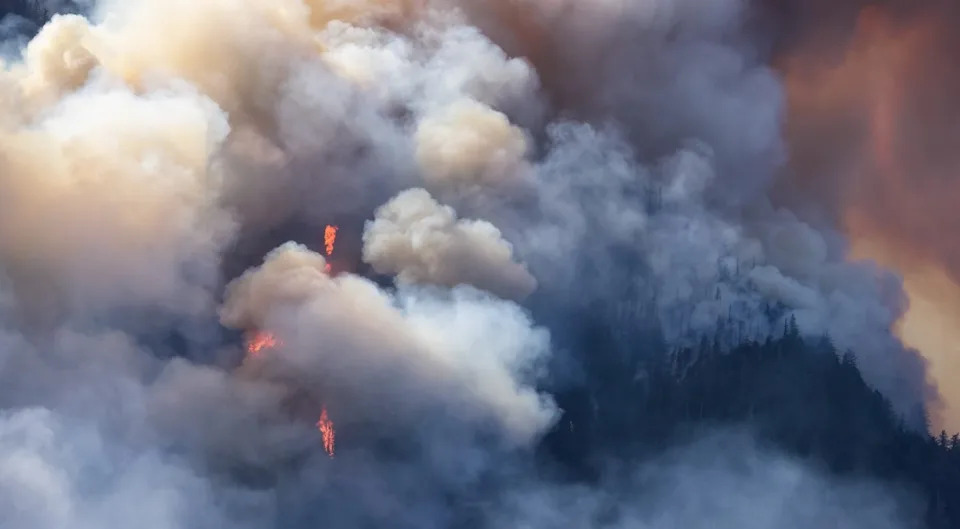
The majority of the Canadian wildfires were sparked by lightning.©EB Adventure Photography/Shutterstock.com
Immediate Threats To Wildlife
Heat, flames and smoke present immediate dangers to animals. Mobility is a key factor in short-term survival: birds and many larger mammals can often flee, while ground-nesting birds, amphibians, reptiles and small rodents are especially vulnerable and frequently killed when fires move quickly through habitat. Even animals that escape may suffer burns, injuries or stress-related mortality.
Smoke inhalation reduces respiratory function and hunting or foraging ability. Aquatic systems are also affected: ash and debris wash into lakes, rivers and streams, lowering oxygen levels and harming fish and invertebrates.
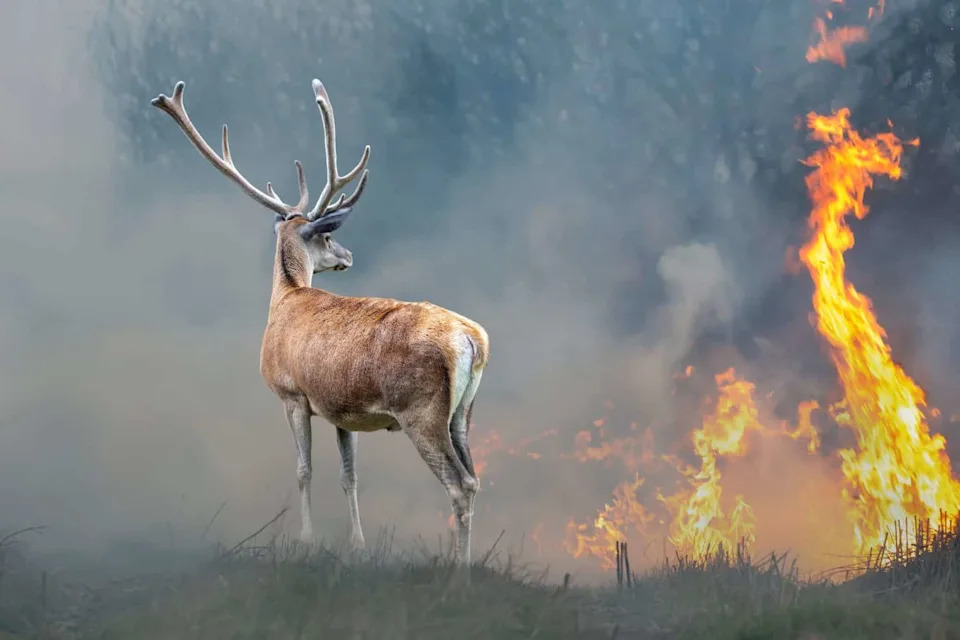
Larger animals, like deer, elk, moose, and more, tend to do better during forest fires because they can flee.©Volodymyr Burdiak/Shutterstock.com
Long-Term Ecological Consequences
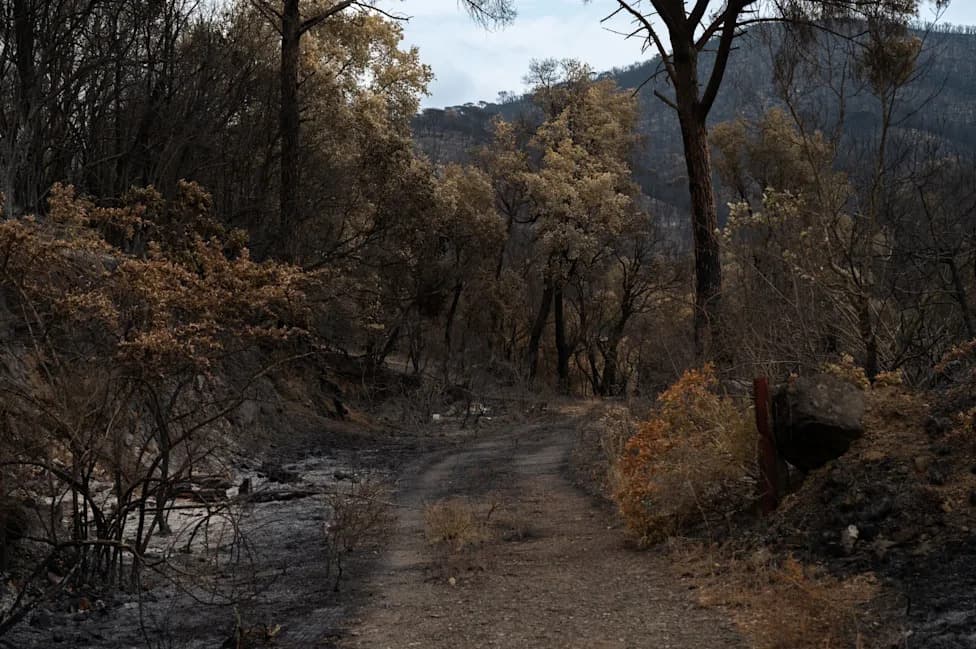
Recovery from large fires can take decades. Because some regions of Canada have burned repeatedly in recent years, ecosystems often lack sufficient time to regenerate fully. This prolonged habitat loss reduces carrying capacity for many species and slows population rebounds, especially for specialists and species with limited ranges.
Displacement, Competition And Urban Encounters
Survivors often must seek new territories. Returning individuals may find pockets of intact habitat or complete devastation, forcing them to move into adjacent areas. Unburned refuges are limited, so displaced species—such as wolverines, spotted owls and woodland caribou—face increased competition. Many animals also move into suburban and urban zones searching for food and shelter, which raises the risk of human-wildlife conflict.
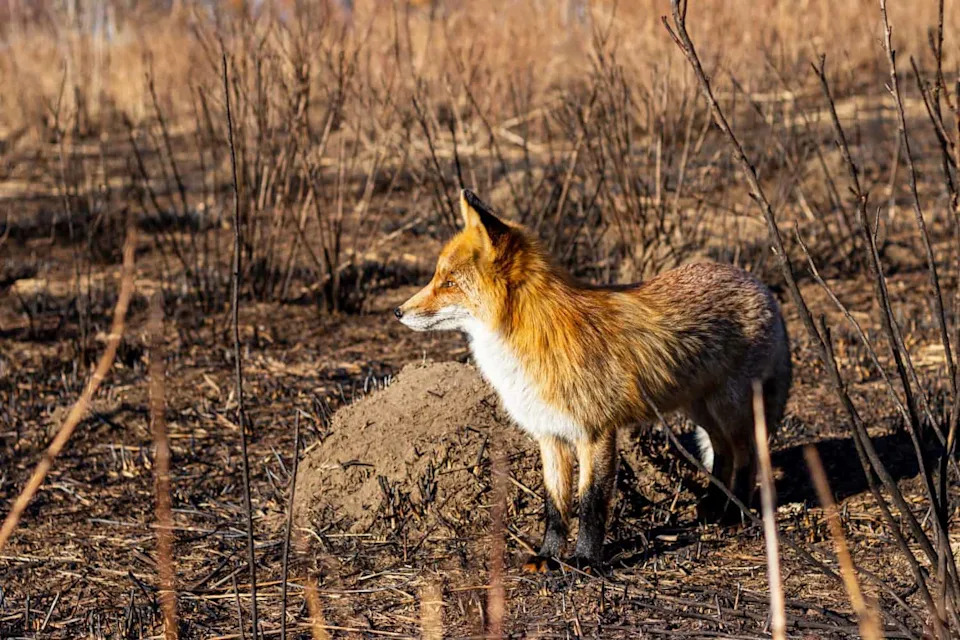
After wildfires, displaced animals will have to establish new territory.©Urri/Shutterstock.com
Commonly seen species near populated areas after fires include coyotes, bobcats, mountain lions, white-tailed deer, raccoons, black bears and, in some regions, wild hogs.
Not All Species Lose Out
Certain grasses and trees are adapted to fire and can regenerate quickly, benefiting from nutrient pulses after a burn. Ungulates like elk, deer and moose and some bird species may take advantage of fresh regrowth and altered vegetation structure.
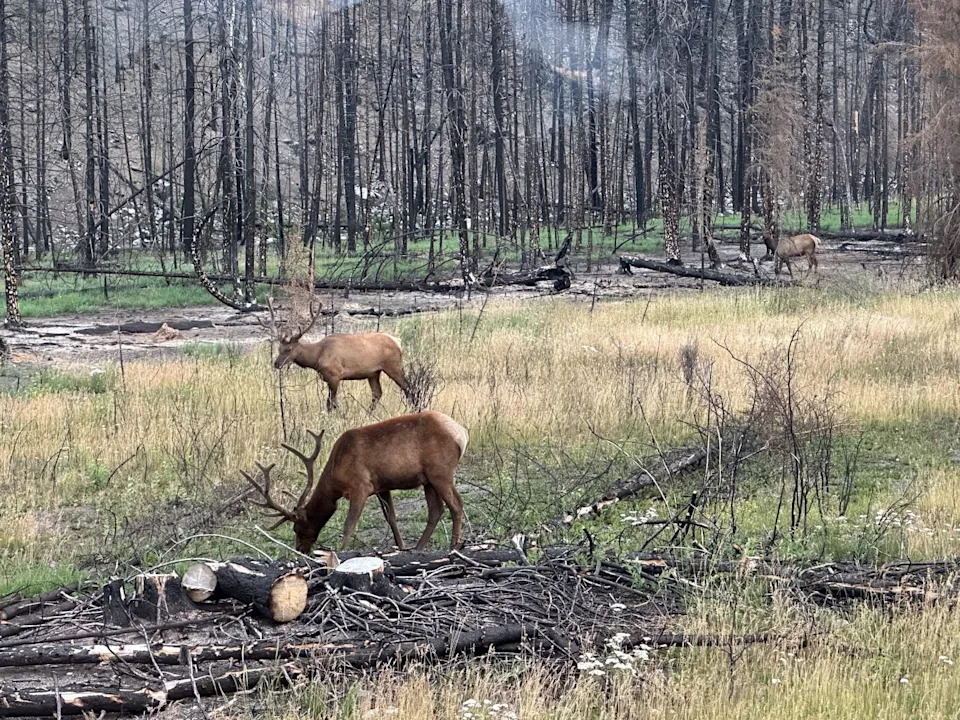
Animals injured or displaced from their parents are being housed in wildlife rescues across Canada.©jhunter22/Shutterstock.com
Rescue, Rehabilitation And The Limits Of Intervention
When lives and property are at risk, human safety is the priority. Parks Canada and other agencies note there are no large-scale plans to rescue wildlife from active fires; animals largely rely on natural escape and survival. Nonetheless, wildlife rehabilitators, rescue groups and local volunteers do take in injured, orphaned and displaced animals when possible. These organizations are strained by a prolonged season and high caseloads; donations and volunteers are critical.
Why The True Toll Remains Unknown
Many wildlife deaths go undocumented because fires sweep through remote or inaccessible areas. While immediate mortality is visible in some places, the longer-term losses caused by habitat degradation, reduced reproductive success and increased competition are harder to quantify.
How You Can Help
- Support local wildlife rehabilitators and conservation charities with donations or volunteering.
- Follow local fire bans and safety rules to reduce human-caused ignitions.
- Keep domestic pets safe and report injured wildlife to licensed rescue organizations rather than attempting untrained intervention.
Canada's 2026 wildfire season highlights the complex, cascading effects that large-scale fires have on ecosystems and wildlife. While some species are adapted to fire, the scale and frequency of recent burns present serious conservation challenges that will require sustained recovery efforts and community support.
Help us improve.