The International Criminal Court's member states will hold a secret ballot to decide whether to dismiss Chief Prosecutor Karim Khan over allegations of sexual misconduct. Khan denies the accusations and his lawyers say the process was unlawful, citing judges who found the claims unproven beyond reasonable doubt. The vote — needing at least 63 of 125 votes — will deepen internal divisions regardless of the outcome and could trigger a prolonged election for a successor.
ICC Faces Crucial Vote: Should Prosecutor Karim Khan Be Fired Over Misconduct Allegations?
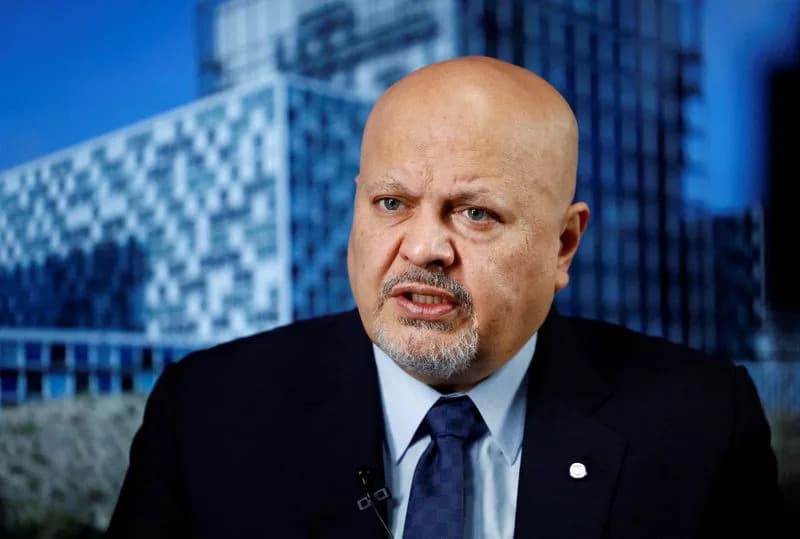
FILE PHOTO: International Criminal Court (ICC) Prosecutor Karim Khan talks during an interview with Reuters in The Hague, Netherlands January 16, 2025. REUTERS/Piroschka van de Wouw/File Photo
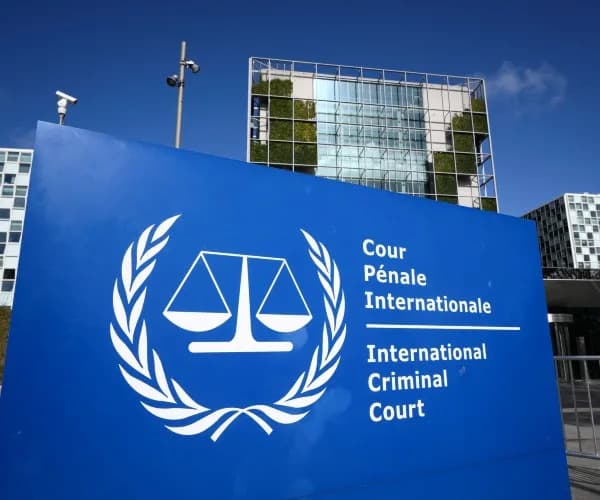
THE HAGUE, July 22 (Reuters) - Member states of the International Criminal Court will hold a secret ballot on Friday to decide whether to remove Chief Prosecutor Karim Khan over allegations of sexual misconduct, a development that has further damaged the court's credibility as the United States intensifies its campaign against the tribunal.
What’s At Stake
The secret vote, scheduled for about 3 p.m. local time (1900 GMT) at United Nations headquarters in New York, requires an absolute majority of at least 63 of the ICC's 125 member states to remove Khan. The outcome could deepen divisions within the court's institutions and among its members, and would trigger an election process for a new prosecutor that is not expected to conclude before next year.
Allegations, Denial and Legal Claims
Khan, 56, denies any wrongdoing. The accuser, a junior ICC staffer identified only by the first name Sarah, has publicly alleged a non‑consensual sexual relationship and argued that a significant power imbalance made consent impossible. Khan's lawyers told Reuters he denied "any sexual relationship of any kind" with the alleged victim and described the decision that led to the vote as unlawful, procedurally unfair and unsupported by evidence.
"There is no way for something to be consensual when you have such a power disparity," the accuser told CNN.
The lawyers also point to a panel of independent judges who, following a report by U.N. investigators, found the allegations were not established beyond reasonable doubt. Nonetheless, officials from the ICC's governing body recommended dismissal, saying Khan committed serious misconduct, according to documents reviewed by Reuters.
Political Context
The vote comes at a delicate moment for the court. The United States — which is not an ICC member — has renewed a diplomatic campaign it says aims to protect U.S. sovereignty, and has already imposed sanctions on 11 senior ICC officials. A U.S. State Department official, speaking on condition of anonymity, said Washington was considering diplomatic pressure on other states to withdraw from the court. The European Union has reiterated its support for the ICC but most member states have not taken concrete public measures to shield the institution.
Some critics say removal would be viewed as political pressure, particularly after Khan sought arrest warrants for senior Israeli officials over alleged war crimes in Gaza — warrants Israel has rejected as baseless. If Khan survives the vote, his authority would likely be weakened and his critics would gain further ammunition.
About The ICC
Established in 2002 to prosecute war crimes, genocide and crimes against humanity, the ICC asserts jurisdiction only when a member state is unwilling or unable to prosecute itself. The court has 125 member states and its statute allows prosecution of atrocity crimes committed on the territory of member states even when the perpetrator is a national of a non‑member state.
The International Federation for Human Rights called the U.S. campaign the most serious attack to date on the world's only permanent international criminal court. "States created the ICC together; they now have the opportunity — and the responsibility — to defend it together," Secretary General Drissa Traore said.
(Reporting by Stephanie van den Berg; Editing by Richard Lough and Alison Williams)
Help us improve.