Austria will open a police station in the house in Braunau‑am‑Inn where Adolf Hitler was born, aiming to deter far‑right pilgrimages. A €20 million renovation has altered and whitewashed the 17th‑century building; a memorial stone remains at the pavement. The government says a permanent police presence will "neutralise" the site, but survivors' groups and historians warn the change may not stop neo‑Nazi visits and that the country must continue to confront its Nazi past.
Austria Turns Hitler's Birthplace Into Police Station To Deter Far‑Right Pilgrimages
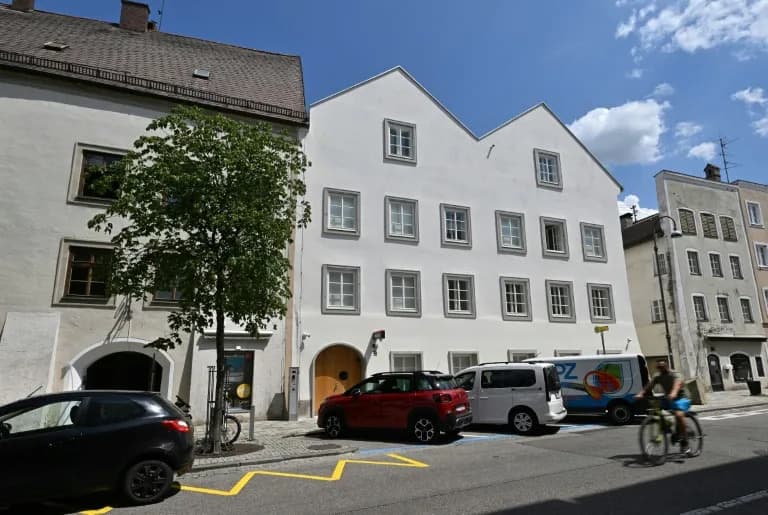
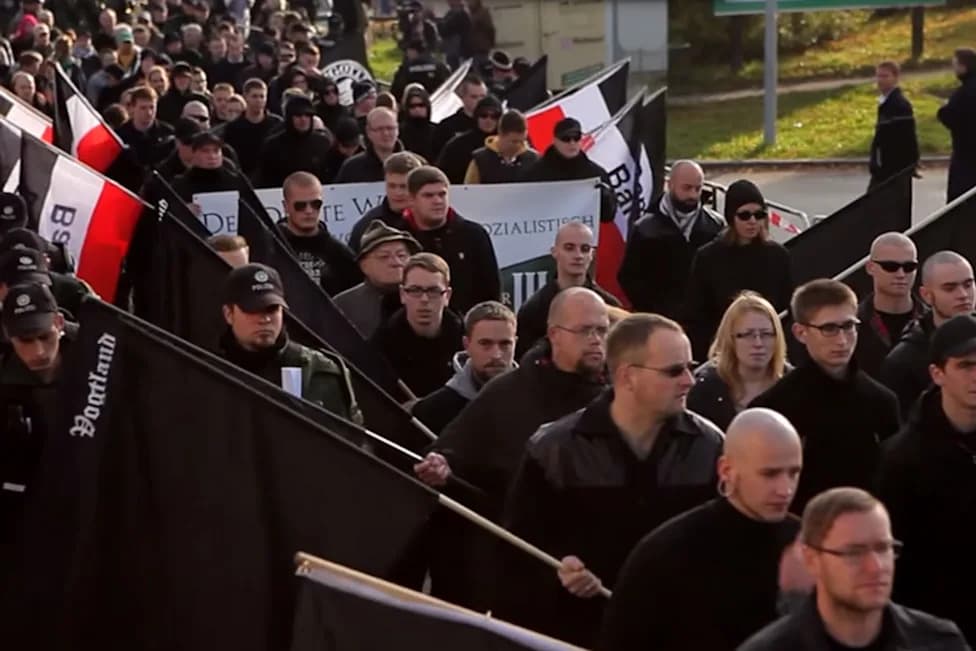
Adolf Hitler's house on Braunau-am-Inn had become a meeting-place for neo-Nazis (KERSTIN JOENSSON)
Austria will formally open a police station in the modest house in Braunau‑am‑Inn where Adolf Hitler was born, a contentious move intended to discourage far‑right extremists from treating the site as a place of pilgrimage.
Transformation and Purpose
Following a €20 million renovation that finished three years behind schedule, the 17th‑century home near the German border has been substantially altered and whitewashed by the Austrian architecture firm Marte. A police sign now hangs above the entrance, while a pavement memorial stone remains, inscribed: "For Peace, Freedom and Democracy. Never Again Fascism. Millions of Dead Warn." The government says a permanent police presence will "neutralise" the site and make clear that any commemoration of Nazism is unacceptable.
Legal And Historical Context
The building, where Hitler was born on April 20, 1889, had belonged to the same family since 1912 and from 1972 was leased to the Austrian state and used as a centre for disabled people — a group also persecuted under the Third Reich. After years of dispute, and three years after a 2016 law to assume control of the property, Austria's Supreme Court approved the state's purchase of the 800 square‑metre (8,600 sq ft) site for €810,000.
Why A Police Station?
Historians urged against demolition, arguing Austria must confront its role in the Nazis' crimes — including the murder of more than six million Jews and the persecution of Roma, LGBTQ people and political opponents. An expert commission rejected turning the house into a historical monument to avoid creating a shrine that might attract extremists, and instead recommended a police station as the most effective means to deter pilgrimages and to "neutralise" the location.
Opposition And Concerns
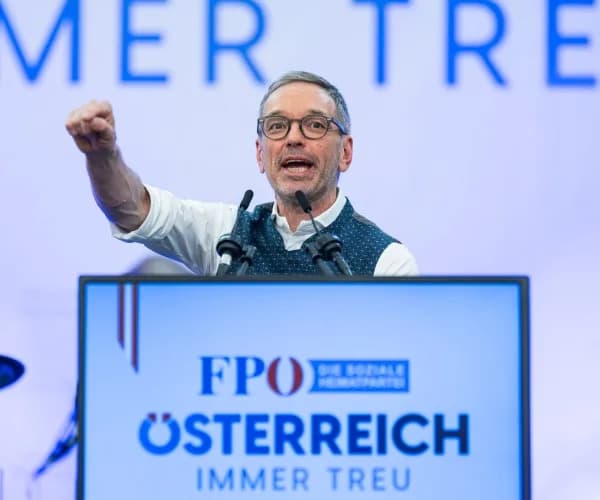
Not everyone agrees that the conversion will stop neo‑Nazi visits. Robert Eiter, spokesman for the Mauthausen Committee Austria — an association of concentration camp survivors — warned that the renovation cannot erase history nor fully prevent extremists from travelling to Braunau. Critics also point to Austria's complex political landscape: the far‑right Freedom Party (FPÖ), founded by former Nazis' affiliates, remains a significant force in Austrian politics, with polling aggregator Europe Elects indicating roughly 37% support at the time of reporting.
"But that's absurd: humanity will not forget where the worst mass murderer in history was born," Robert Eiter told AFP. "And this renovation will not prevent a single neo‑Nazi from making the pilgrimage to Braunau."
The debate over the house — its symbolism, stewardship and the best way to prevent it becoming a shrine — reflects wider tensions in Austria about memory, responsibility and how democracies confront extremist legacies.
Help us improve.