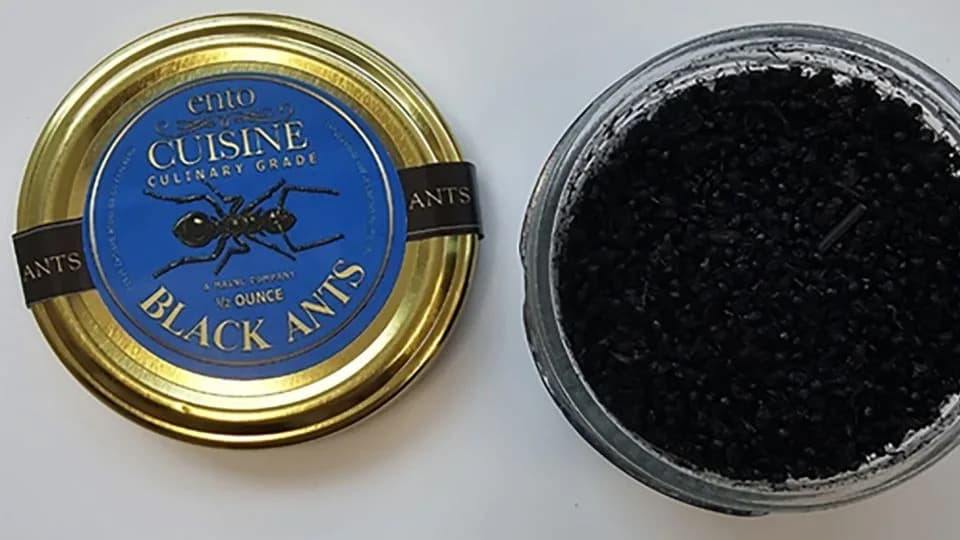
Prosecutors in South Korea have asked for a one-year prison sentence and a 20 million won fine for the owner of a two-Michelin-star restaurant accused of serving ants as a dessert garnish. Officials say about 49,000 ants imported from the US and Thailand were used over four years, and a report found heavy-metal levels up to 55 times higher than in typical edible insects. Ants are not among South Korea's 10 approved insect species; a verdict is due on 2 September.
Michelin-Star Restaurateur Could Face Jail and Fine After Serving Ants As Dessert Garnish
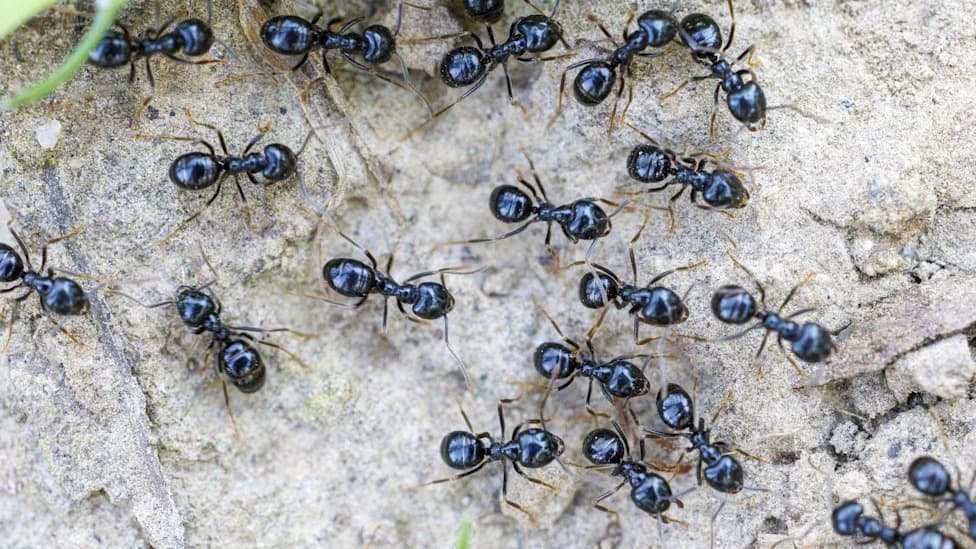
Officials say the restaurant some 49,000 ants in various dishes, such as ant-topped sorbet, over four years [Getty Images]
South Korean prosecutors have asked a court to sentence the owner of a two-Michelin-star restaurant to one year in prison and to impose a 20 million won fine after accusing the chef of serving ants as a dessert garnish, local media report.
Charges and Evidence
Investigators say the restaurant used roughly 49,000 ants imported from the United States and Thailand across several dishes over a four-year period. The case came to light when officials from the Ministry of Food and Drug Safety discovered online reviews and photographs showing sorbets and other items sprinkled with ants. Court documents have not named the restaurant or its owner.
Health Concerns
A health authority report cited by The Chosun Daily found that the ants used by the restaurant contained concentrations of heavy metals up to 55 times higher than those measured in typical edible insects. Ants are also not included on South Korea's official list of 10 insect species authorised for human consumption, which includes grasshoppers, locusts and two-spotted crickets.
Owner's Defence
The owner admitted that ants were served but said they were a small component of a 15-course tasting menu, used primarily as a sorbet topping, and that guests were given the option of an ant-free alternative. The owner told investigators that roughly 60% of diners chose to sample the ants; others received substitutes such as fermented vinegar or edible flowers. The defence also noted that chefs in countries including Australia, Denmark and the UK sometimes use ants as ingredients.
Regulatory and Culinary Context
South Korean regulators evaluate insect species for human consumption based on food-safety risks, toxicity, nutritional value and whether the insects can be bred and processed hygienically. The Michelin Guide awarded the establishment two stars; it is one of ten two-star restaurants in Seoul. The guide assesses restaurants on ingredient quality, mastery of flavour, technique, the chef's personality and consistency.
Next Steps
The court is scheduled to deliver its verdict on 2 September. If convicted, the owner could face the requested prison term and fine.
Context: Eating ants and other insects is customary in some parts of Asia, Africa and Latin America. Weaver ants and their eggs are used in Thai and Cambodian dishes, and queen ants are prized in parts of Colombia.
Help us improve.