A suspected methane gas explosion caused part of an under-construction tunnel in Sikkim to collapse, killing at least 12 workers and leaving 13 still unaccounted for. Rescue teams led by the NDRF are concentrating efforts within a 200-metre zone about 1.5 km inside the tunnel. The tunnel is part of an NHPC hydropower project to channel water from the Teesta River. Authorities have identified seven victims so far and have launched a formal investigation.
Methane Blast Triggers Tunnel Collapse in Sikkim, Killing 12 Workers; 13 Still Missing
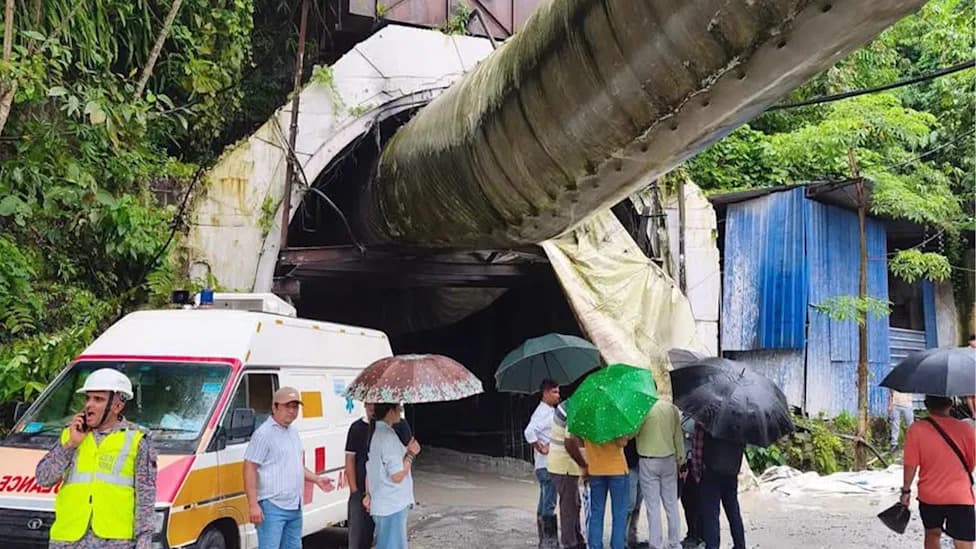
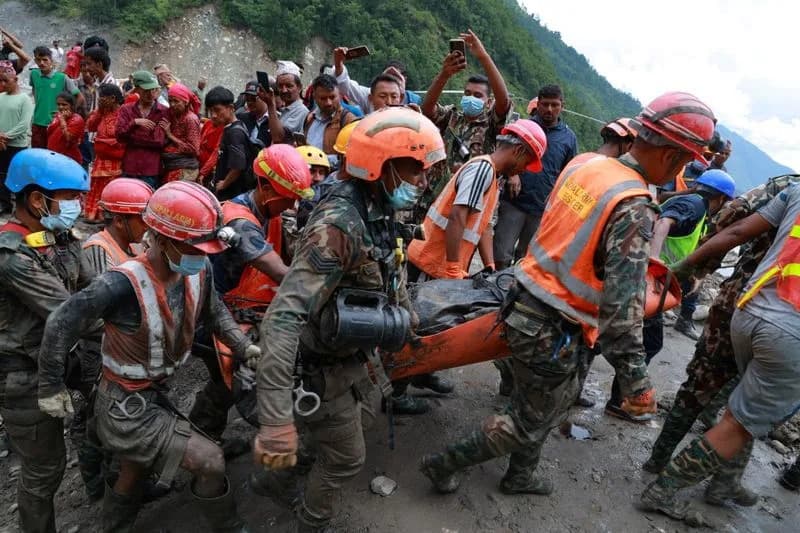
Rescue operation continues at the tunnel site [Bipin Pokhrel]
At least 12 workers have died after part of an under-construction tunnel collapsed following a suspected methane gas explosion in India's north-eastern state of Sikkim, officials said.
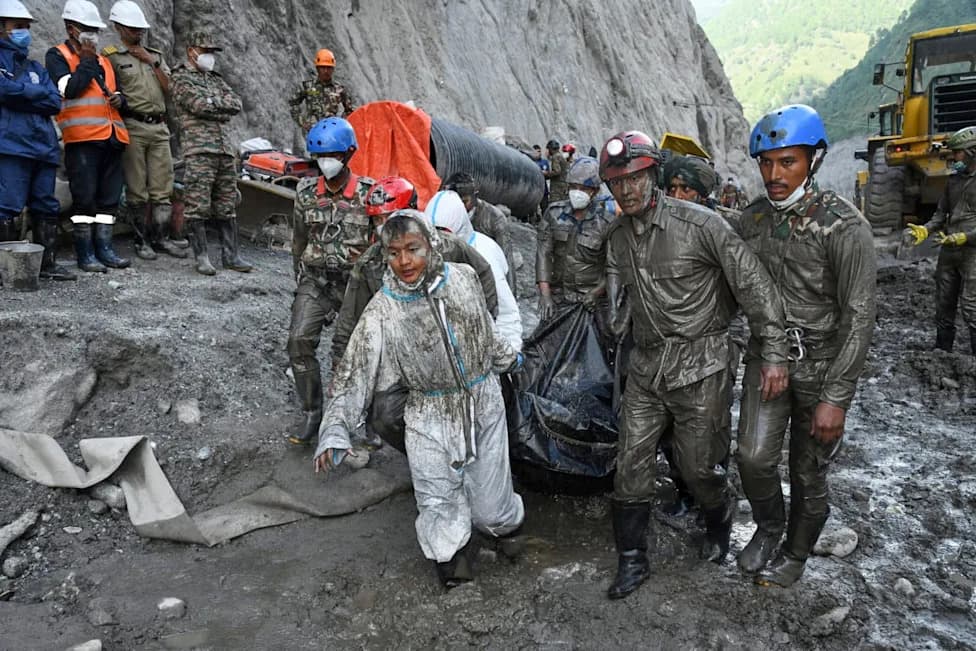
Rescue teams are continuing to search for 13 others who are reported to have been trapped in the tunnel after Monday's collapse. The National Disaster Response Force (NDRF) said the incident occurred roughly 1.5 km (0.9 miles) inside the tunnel.
The unfinished tunnel is part of a larger hydropower project being developed by the state-owned National Hydroelectric Power Corporation (NHPC). It was intended to channel water from the nearby Teesta River to turbines at a hydropower plant.
NHPC said the accident followed 'a sudden burst of suspected methane gas trapped/embedded inside the rocks which led to [an] explosion generating dense fumes and toxic gases.' In a separate release, the Sikkim government described the cause as 'methane gas combustion.' A government official added that methane is a naturally occurring gas that can be released when tunnelling disturbs pockets trapped in rock; if it meets a spark or other ignition source in a confined space, it can ignite or explode.
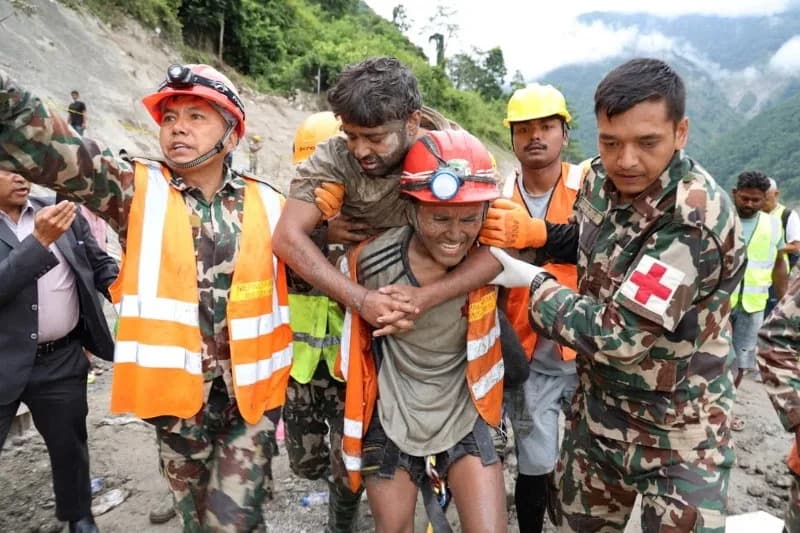
'Of the 25 people who were trapped, we have recovered 12 bodies so far, and teams are working to locate the 13 other men,' Superintendent of Police Sonam D Bhutia told the BBC on Wednesday morning.
There were 27 workers in different sections of the tunnel when the blast occurred. Two workers escaped immediately after the explosion, leaving 25 initially trapped. Police say seven victims have been formally identified so far; one is from Sikkim and others are migrant workers from West Bengal, Uttarakhand and Assam. Officials said causes of death for recovered victims will be determined after post-mortem examinations.
The search-and-rescue operation is concentrated in a 200-metre zone inside the tunnel where the remaining workers are believed most likely to be located, NDRF officer Mohsen Shahedi told the ANI news agency.
'We have engaged a team of experts to find out what exactly happened and how. We will take action on the basis of the findings,' Chief Minister Prem Singh Tamang told reporters, announcing a special investigation team to probe the incident.
Rescue teams face dangerous conditions from collapsed rock, lingering fumes and the risk of further gas release. Authorities are combining search-and-rescue work with ventilation and gas-monitoring measures to protect personnel and assess structural safety as the investigation proceeds.
What Happens Next: Officials say post-mortems and forensic examinations will establish causes of death for the recovered victims, while the special investigation team will work with technical experts to determine the sequence of events and any safety lapses. Families of the missing and identified victims are being informed.
Help us improve.