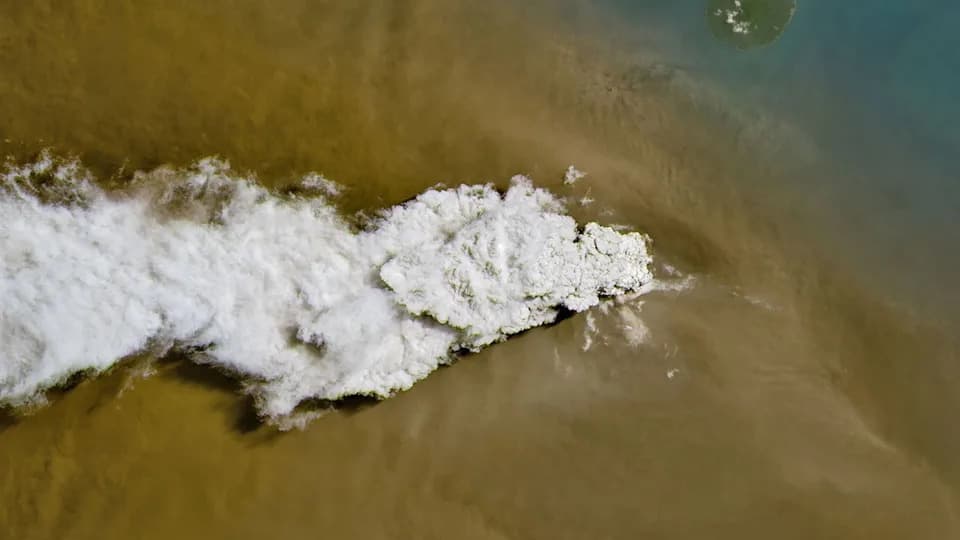
Taal Volcano erupted violently on 21 July 2026 at 2:29 p.m., producing ash-and-steam plumes that PHIVOLCS said rose about 2,000 meters above the crater. Video shows a sudden detonation and waves racing across the crater lake after collapsing debris displaced the water. Although the waves were localized, the event highlights the extreme hazards of volcanic lakes and supports PHIVOLCS’ strict bans on entering the island or navigating the lake.
Taal Erupts: 2,000-Meter Ash Plume and Rare Tsunami Sweep Crater Lake (Video)
2,000-Foot Taal Volcano Eruption Hurls Rare Tsunami Across Crater Lake (Video)
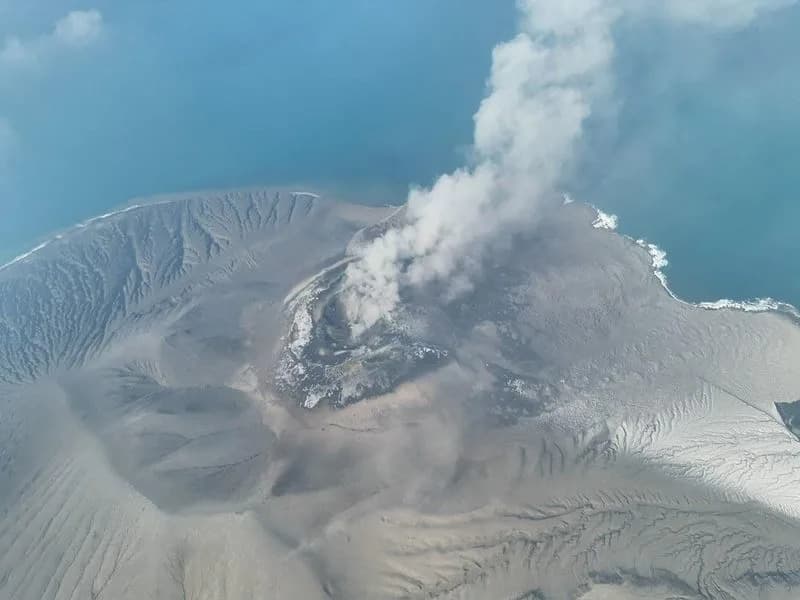
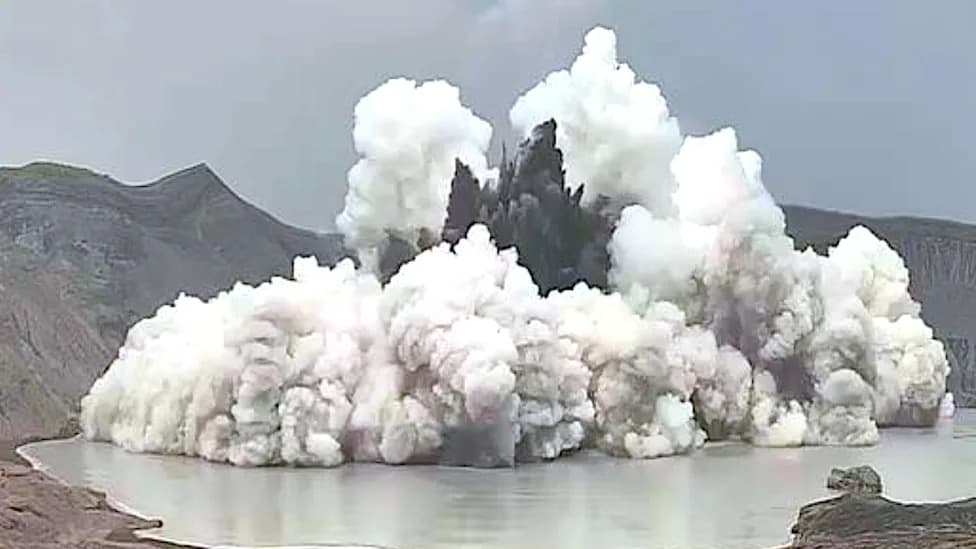
On Tuesday, 21 July 2026 at 2:29 p.m., Taal Volcano in Batangas, Philippines, produced a powerful phreatomagmatic eruption that sent ash and steam high above the main crater and triggered unusual tsunami waves that raced across the crater lake.
What Happened
Official monitoring cameras captured the explosive event in real time. Video released by the Philippines Civil Defense and footage from observation stations show a sudden, powerful detonation at the volcano’s main vent followed by rapid water movement in the lake below.
"The event produced jets of ash and steam-rich plumes that rose 2000 meters above the crater before drifting to the southeast,"
Why Waves Formed
PHIVOLCS and observers reported that collapsing rock, falling debris and rapid displacement of the lake surface immediately after the blast generated waves breaking across Taal Lake. This mechanism—large volumes of rock or dense volcanic material plunging into a confined body of water—can force water upward and outward at high speed and produce locally destructive tsunamis.
Historical Context
Experts point to recent and historical precedents for landslide- and displacement-driven tsunamis. In Alaska’s Tracy Arm fjord in 2025, a massive rockslide produced a mega-tsunami that surged nearly 1,600 feet up adjacent slopes. The best-known historical example is the 1958 Lituya Bay event, when a rockfall triggered a wave measured at roughly 1,720 feet—the largest wave ever recorded.
Impact and Warnings
Although the waves on Taal Lake were localized to the crater area, the incident underscores the extreme hazards posed by volcanic lakes. PHIVOLCS continues to prohibit visits to the island and navigation on the lake. Authorities stress that phreatomagmatic explosions and related collapses can occur with little or no advance warning, putting people and vessels at serious risk.
Sources
This report is based on PHIVOLCS statements, footage released by the Philippines Civil Defense, and coverage by surf and geologic observers. The story was first published by Surfer on July 22, 2026.
Help us improve.