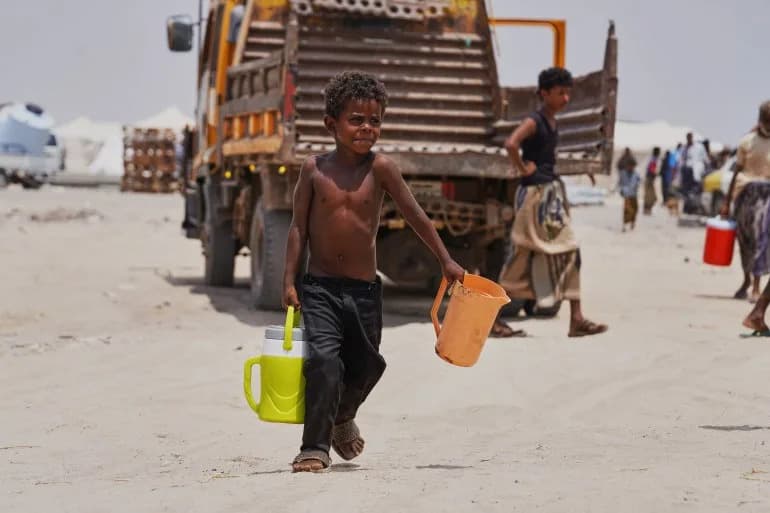
Welthungerhilfe says the small global decline in hunger reported by the UN is not sufficient. Mathias Mogge called the progress "marginal," warning that at the current pace some 510–520 million people could still be chronically undernourished by 2030. The World Food Report records 645 million hungry in 2025, with improvements in Asia, Latin America and the Caribbean but a growing absolute burden in Africa (~309 million). Rising fuel and fertilizer costs tied to the Iran conflict and Strait of Hormuz tensions threaten harvests and food prices.
510–520 Million Could Still Be Hungry By 2030, Aid Group Warns — UN Progress Called 'Marginal'
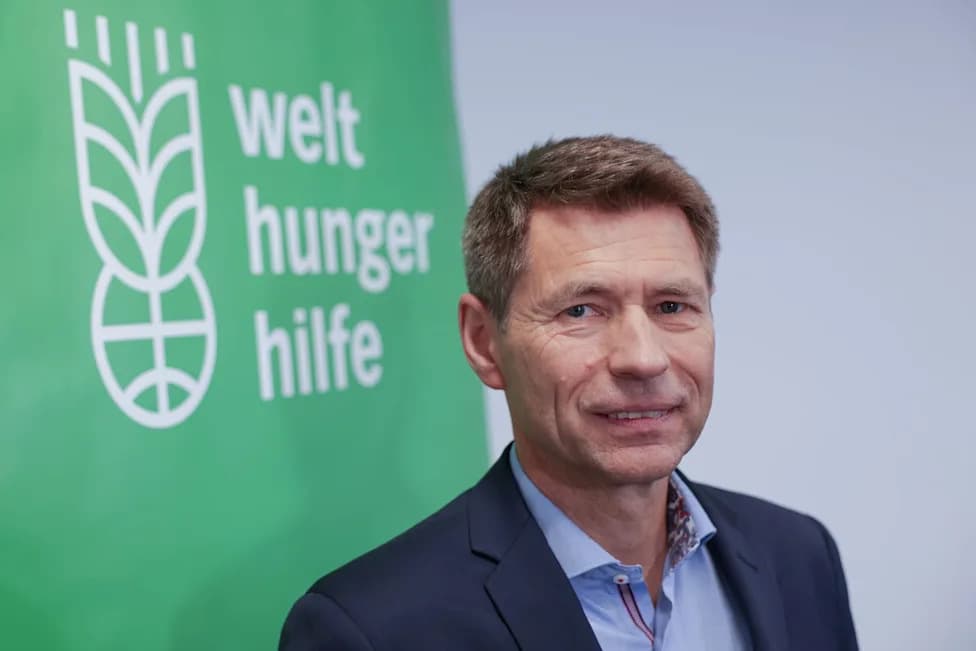
FILE PHOTO - Mathias Mogge, Secretary General of Welthungerhilfe. The Iran war has exacerbated the supply situation for the population in Sudan, which is experiencing a civil war. (is associated with: «510 million still hungry by 2030 if trends hold, warns aid group») Jörg Carstensen/dpa
The modest drop in global hunger recorded in the latest United Nations World Food Report should not be a cause for reassurance, warned the German aid organization Welthungerhilfe (World Hunger Assistance).
Marginal Progress, Major Risks
Secretary General Mathias Mogge described the small improvement in the hunger figures as regrettably marginal and said the world has not moved decisively to end chronic undernourishment.
"We have once again failed to make a decisive step forward in overcoming hunger - at the current rate of progress, around 510 million to 520 million people worldwide will still be chronically undernourished in 2030," Mogge said in response to the UN report.
Key Figures From The World Food Report
The World Food Report, published in Rome, estimates about 645 million people were affected by hunger in 2025 — a fall of almost 14 million from 2024 and 43 million from 2022. While Asia, Latin America and the Caribbean recorded steady improvements, Africa now faces the highest absolute burden.
Africa is home to roughly 309 million hungry people, compared with 292 million in Asia. With a rapidly growing population, the continent not only has the largest number of people lacking sufficient food, but also a rising share of those who cannot afford a healthy diet: Mogge notes that 66% of Africa's population do not have enough income for a nutritious diet.
Drivers Of Renewed Risk
Many countries with high hunger levels are facing new economic and geopolitical pressures. Welthungerhilfe highlighted how the global fallout from the Iran conflict and tensions in the Strait of Hormuz are pushing up fuel and fertilizer prices — increasing costs for farmers, threatening harvests and, ultimately, driving food prices higher for consumers.
According to Mogge, these trends mean the latest figures should be treated as a wake-up call, not a reason for complacency: governments, donors and private actors must scale up targeted interventions to protect harvests, stabilize markets and expand access to nutritious food.
What Needs To Happen: Accelerated investment in resilient food systems, targeted social protection for the most vulnerable, and measures to shield farmers from volatile input costs are among the steps Welthungerhilfe and other organizations say are essential to reverse the current trajectory.
Help us improve.