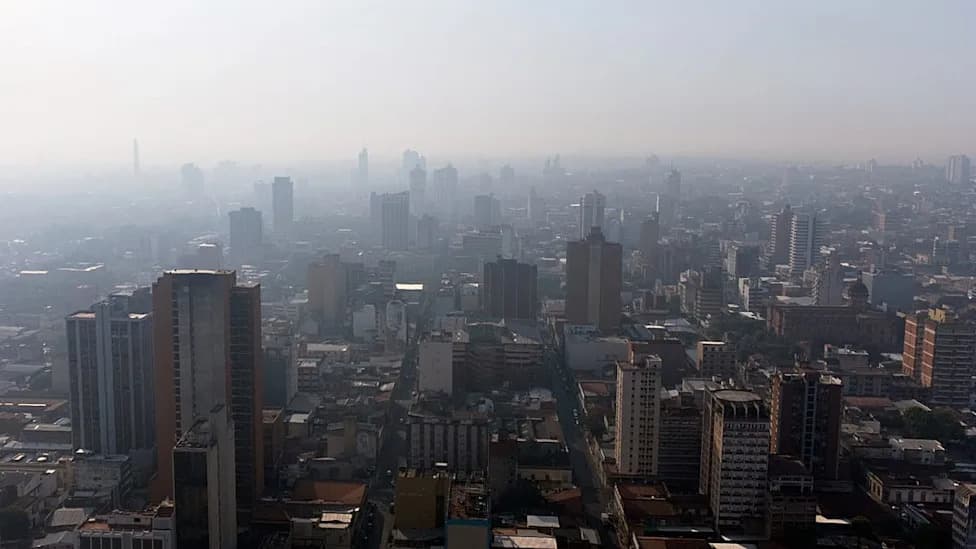
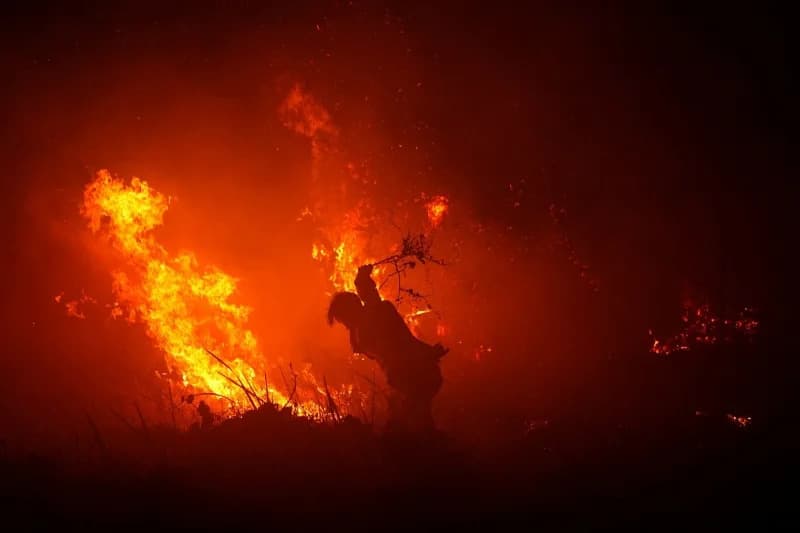
Chicago's outdoor air quality has improved since last week's Canadian wildfire smoke, but indoor air may still be hazardous. Alertify sensors in 31 centrally air-conditioned apartments found indoor AQI near 340 while outdoor readings hit 600–700. PM2.5 particles can linger and be re-circulated by HVAC systems without high-efficiency filters. Experts recommend MERV 13+ filters, using HEPA purifiers, and setting systems to recirculate or closing outdoor intakes.
Wildfire Smoke Can Linger Indoors — Even With Central AC: What Chicago Residents Should Know
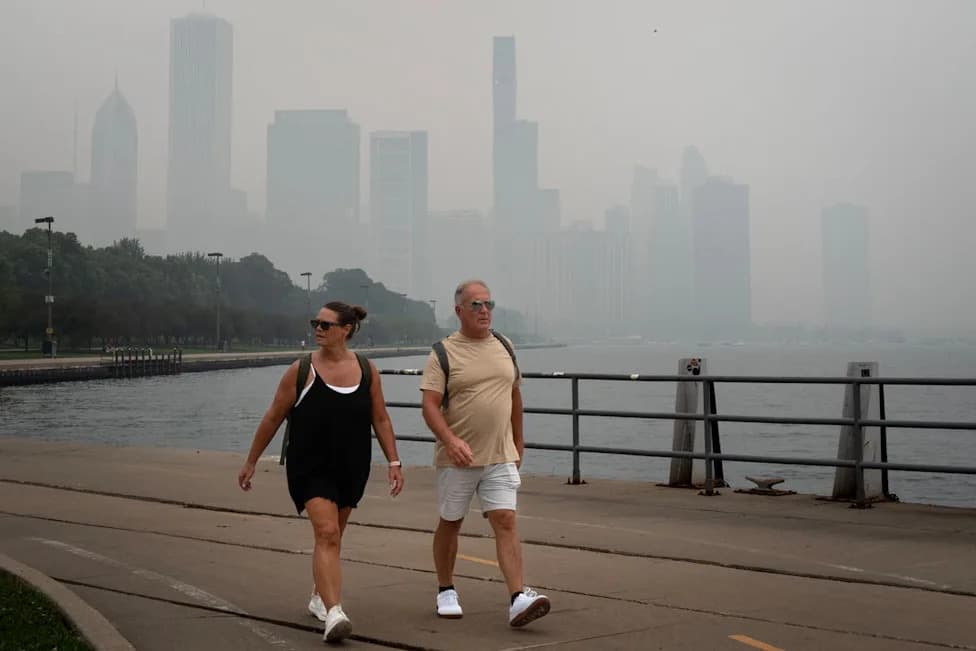
Experts warn AC units could still be recirculating wildfire smoke particles in your home
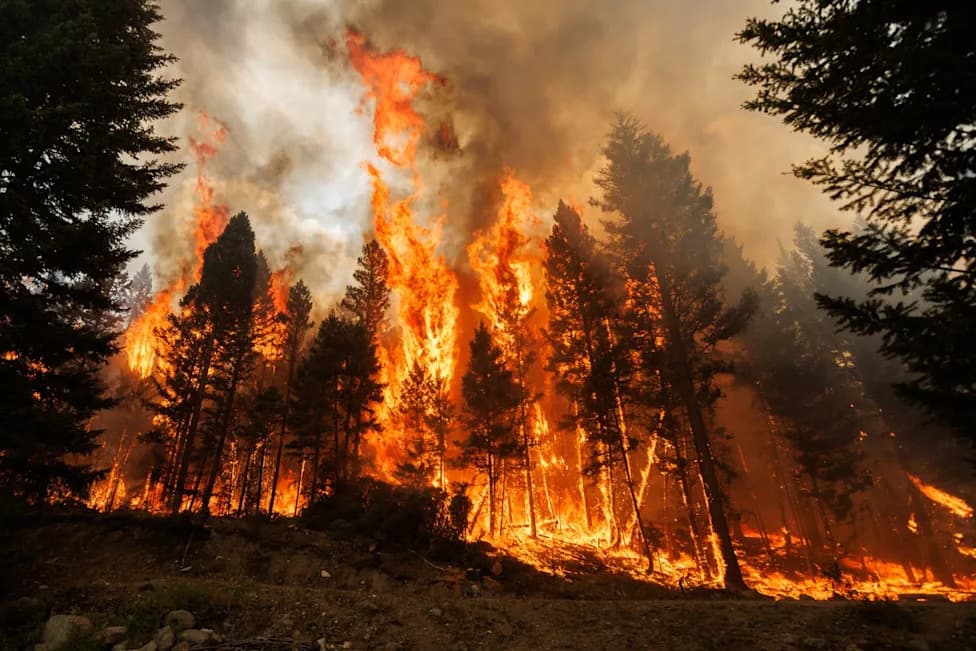
Chicago's outdoor air has cleared since last week's plume of Canadian wildfire smoke, but experts warn that indoor air can remain contaminated long after skies look better.
Although IQAir moved Chicago down its global list of worst air-quality cities — from near the top last week to No. 44 on Tuesday — researchers say indoor pollution may still pose a health risk.
The National Weather Service cautioned that additional smoke could return to parts of the Great Lakes and northern U.S., including Michigan and other states bordering Canada, as more than 900 wildfires continue burning across Canada.
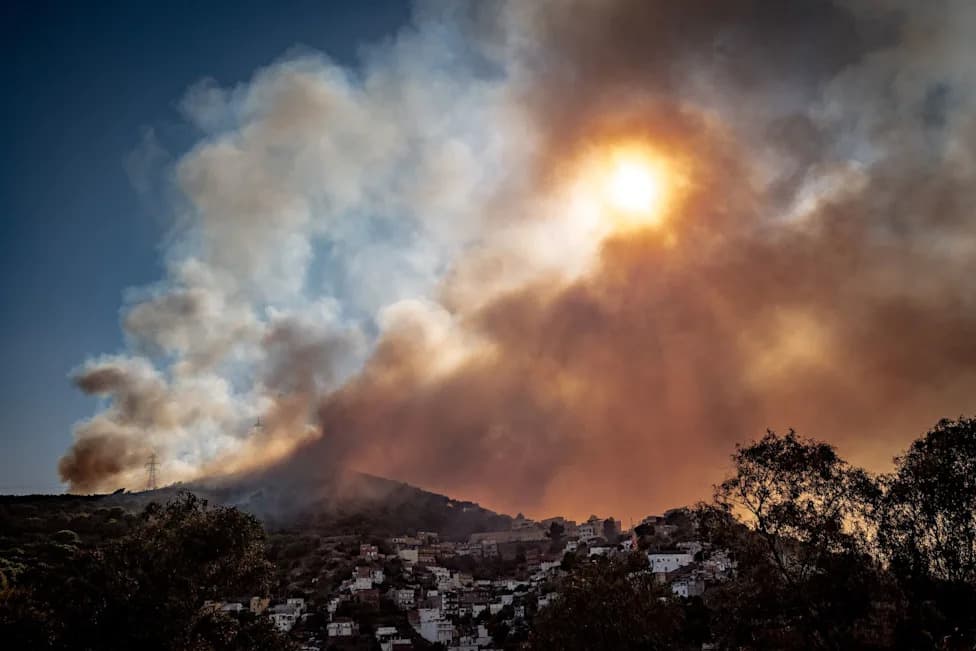
Wildfire smoke particles that entered Chicago homes during last week's Canadian wildfires may still be circulating indoors through air conditioning systems without proper filtration, experts say (Getty)
Joshua Rogers, president of Alertify, an AI-driven noise and smoke monitoring company, said smoke particles that entered homes during the high-pollution event can keep circulating when central air systems lack adequate filtration.
"People want to feel safe in their homes, and our data shows that they were not safe in this instance," Rogers told CBS Chicago.
Alertify analyzed sensor data from 31 centrally air-conditioned apartments across five multi-family buildings in Chicago over a week, tracking indoor air during the wildfire smoke event. While outdoor AQI readings reached roughly 600–700 in the worst moments, the company reported indoor AQI near 340 in the apartments it monitored — still in the hazardous range.
Wildfire smoke contains fine particulate matter (PM2.5) that can penetrate deep into the lungs and increase risks for children, older adults, and people with respiratory or cardiovascular conditions. These particles enter homes through doors, windows and ventilation systems and can remain airborne or become re-circulated by HVAC systems that do not use high-efficiency filters.
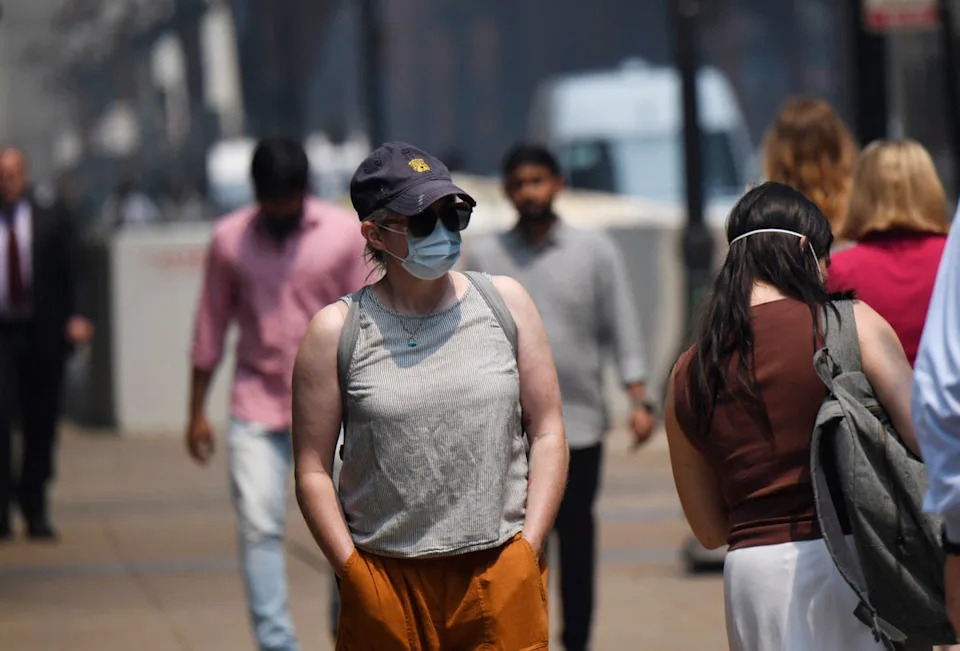
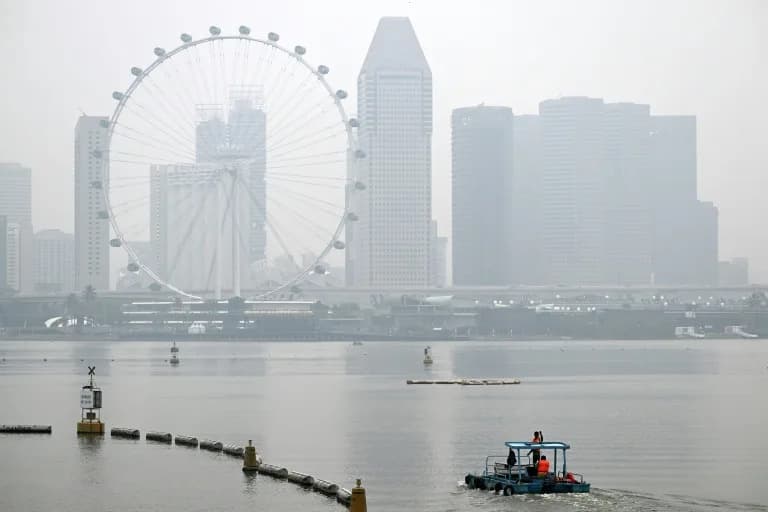
Upgrading HVAC filters to a MERV 13 or higher can better capture wildfire smoke particles, experts say (AFP/Getty)
A common misconception is that standard air conditioners automatically remove smoke. The U.S. Environmental Protection Agency notes many residential and commercial HVAC systems simply recirculate indoor air; without high-efficiency filters, smoke that has entered a building may continue circulating even after outdoor concentrations fall.
Practical steps to reduce indoor smoke exposure:
- Upgrade HVAC filters to MERV 13 or higher if the system can handle them — these capture a larger share of PM2.5 particles.
- If your system has an outdoor fresh-air intake, set it to recirculate or close the outdoor intake damper during smoky conditions to avoid drawing smoky outdoor air inside.
- Use portable HEPA air cleaners in frequently used rooms when smoke is present.
- Keep doors and windows closed while outdoor smoke levels are high.
Dr. Alex Sloboda of the Chicago Department of Public Health advised: "Use high-efficiency filters (preferably MERV 13 or higher if your system can use it) to help clean the air. If your system has a fresh air intake, set the system to recirculate mode or close the outdoor intake damper."
Public health researchers, including projects led by the Chicago Department of Public Health, are expanding sensor networks across the city to better understand the long-term health impacts of smoke exposure and to track pollution at neighborhood scale.
As smoke from Canadian wildfires persists and shifts, residents should not assume indoor air is safe simply because outdoor visibility or overall AQI has improved. Taking steps to filter and limit incoming air can significantly reduce indoor exposure to PM2.5.
Help us improve.