The Immigration Monitoring Board warns many women held at Derwentside IRC are subject to repeated, late-night transfers that can be "arduous" and leave detainees tired or disorientated. Around 28% of journeys to and from the centre occurred overnight in the last year, and placements rose to about 1,284 in 2025. The IMB says plans for a nearby vehicle hub to reduce night transfers have been repeatedly delayed until at least 2027 and calls the delays "unacceptable." The Home Office says it has improved safeguards and increased staffing.
Watchdog: Women Face 'Arduous' Overnight Transfers To Derwentside IRC — IMB Warns Delays Risk Harm
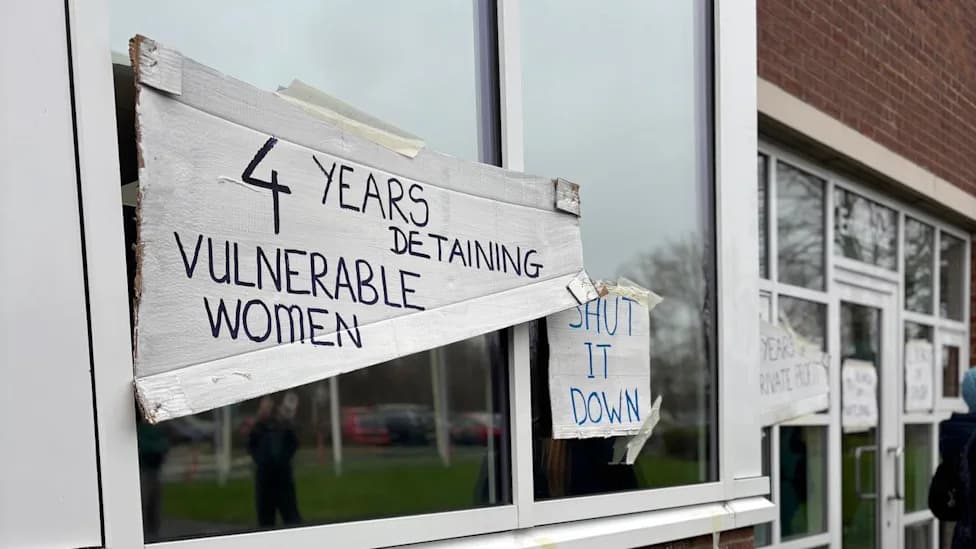
About 1,284 women were moved to Derwentside IRC in 2025 [Helen Groom]
The independent Immigration Monitoring Board (IMB) has expressed strong concern about the frequency and nature of overnight transfers to and from Derwentside Immigration Removal Centre (IRC), the UK's only women-only immigration removal centre in Consett, County Durham.
In its latest annual report the IMB says the Home Office has made "no progress" on this longstanding issue. The board found that a substantial proportion of journeys — many from southern England to the North East — take place at night and are sometimes "arduous" and "inhumane", leaving women arriving at Derwentside tired or disorientated.
Key Findings
The IMB highlights that around 28% of transfers to and from the centre took place overnight in the last year (up slightly from 27% in 2024). Placements at the site rose to about 1,284 women in 2025, compared with 1,062 in 2024. The report includes troubling individual cases: one woman detained at a UK airport was moved overnight to a detention facility and then moved again two nights later to Consett; another detainee was transported overnight three times in five days.
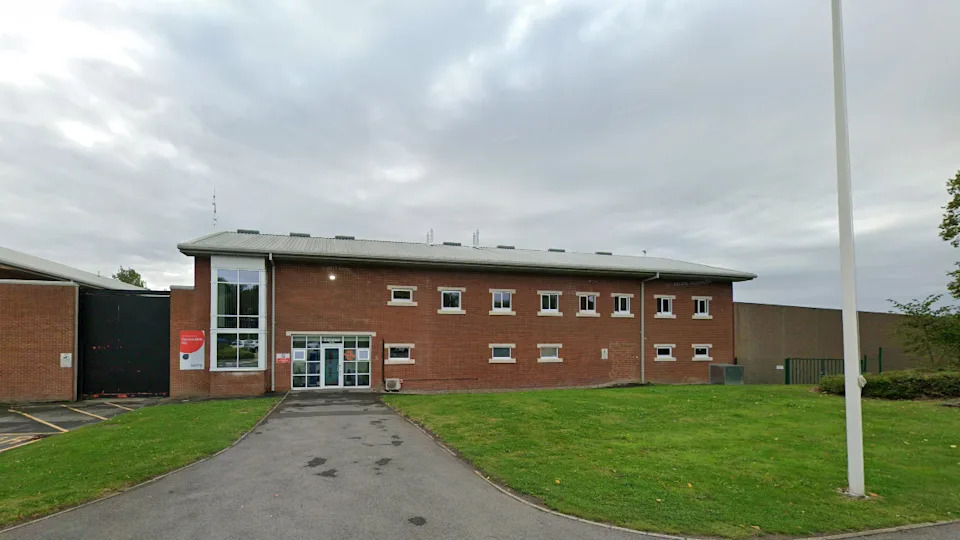
The Home Office said it had improved safeguards [Google]
Drivers And Concerns
A major practical reason for overnight movements is that the nearest vehicle base for transfer teams is more than 100 miles (161 km) away, making late-night journeys necessary. The IMB says it has been repeatedly told since 2021 that a vehicle hub would be built on the Durham site to reduce overnight transfers and journey frequency, but that construction has been delayed and is not expected to be operational before 2027. The board warns this delay will mean many women continue to suffer avoidable harm.
Transport And Welfare
The IMB questioned whether the transport contractor, Mitie, gives sufficient weight to detainees' welfare when planning transfers. That said, the board found that transport crews generally treated women with respect and care, and that detainees were offered food, drinks and comfort breaks during journeys.
IMB: "By [2027], a significant number of women will have experienced avoidable harm as a result of inhumane journeys. We regard this as unacceptable."
Home Office Response
A Home Office spokesperson said the current government inherited an under-resourced detention estate and has since improved safeguards and increased staffing levels to meet the needs of women in detention. The department said these measures aim to reduce harm and improve welfare, while work continues on logistical solutions.
The IMB report calls for accelerated action to build the promised vehicle hub, better transfer planning that prioritises detainee welfare, and clearer accountability for contractors organising long-distance, overnight movements.
Help us improve.