Survivors and advocates say Hong Kong's proposed reforms to decades-old sexual offence laws still allow the "mistaken belief" defence and fail to recognise persistent child sexual abuse. Experts warn courts often misinterpret trauma reactions — such as freezing or fragmented recall — as consent. RainLily handled nearly 2,000 victims from 2019–2023; official conviction rates were about 27% overall and roughly 9% for child cases (2021–2025). Advocates urge the government to close these loopholes in the current consultation.
Survivors Say Hong Kong's Sexual Offence Reforms Leave Dangerous 'Mistaken Belief' Loophole
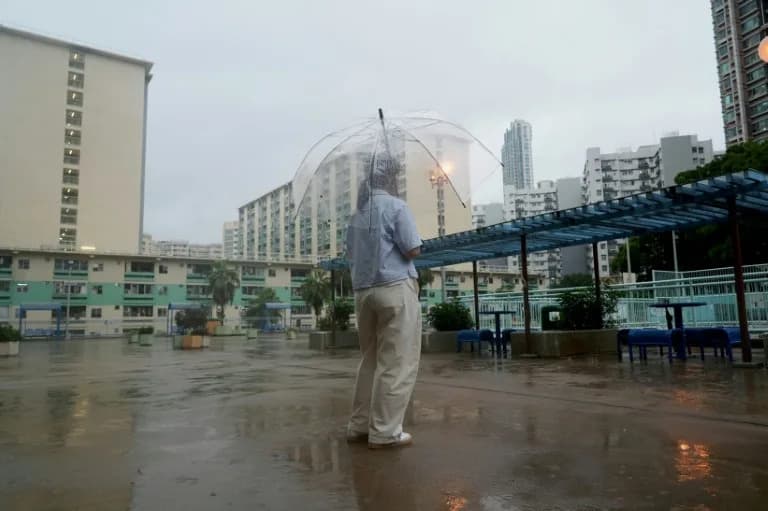
Mui, a woman who suffered persistent child sexual abuse for several years, in Hong Kong (Catherine LAI)
Survivors and advocates in Hong Kong warn that a public consultation on overhauling decades-old sexual offence laws still leaves serious gaps, most notably the continued availability of the "mistaken belief" defence that can undermine sexual assault prosecutions.
Survivors' Experiences
Jessie, an NGO worker in her 30s, recalls freezing in panic the summer an acquaintance assaulted her. Years later, when she testified, she felt "oppressed and helpless" as the accused was acquitted after a judge accepted that he may have "honestly but mistakenly believed" she consented — despite never testifying. Jessie says the defence lawyer's question — "why didn't you fight back at the time, bite or hit him?" — ignored how fear can prevent physical resistance.
Speaking under a pseudonym, Mui described more than 100 assaults by her stepfather over seven years. She reconstructed incidents from a diary, recordings and fragmented memory to report the abuse, but prosecutors pursued only five incidents; her stepfather was convicted on four counts and sentenced to 13 years. Another survivor, "Bobo," said the legal framework feels unfair given the duration and harm of her abuse.
What The Proposed Reforms Do — And Don't — Do
The proposed package would raise penalties for sexual offences, but it does not clearly bar the "mistaken belief" defence or introduce a specific offence for persistent child sexual abuse. Campaigners say these omissions risk perpetuating retraumatizing courtroom experiences and leaving long-term abuse effectively under‑prosecuted.
Expert Views And Data
Florence Tsang, a trauma counsellor at RainLily, urges lawmakers to recognise how traumatic reactions — freezing, dissociation, difficulty recalling details — can be misread as consent or a failure to resist. RainLily handled nearly 2,000 sexual violence cases (all women clients) from 2019–2023; about 40% of those survivors eventually reported incidents to police, often years after abuse.
Official figures cited in the consultation show a low overall conviction rate: roughly 27% of people arrested for sexual offences were convicted between 2021 and 2025, and conviction rates for cases involving children are substantially lower, at about 9%. Advocates argue those statistics underline the urgency of closing legal loopholes.
Calls To Action
Survivors and campaign groups are asking the government to use the current consultation to: explicitly exclude "mistaken belief" where a reasonable person could not have believed there was consent; create a discrete offence that captures persistent child sexual abuse; and reform investigative and courtroom practices so survivors are not retraumatised by cross‑examination that fails to account for trauma responses.
"It takes us so much effort to fight for some simple, basic things," Jessie said. "When victims choose to pursue justice in legal proceedings, could the trial they go through be less traumatic and involve fewer unreasonable questions?"
The consultation represents a policy window for reformers; survivors and advocates say closing these legal gaps is essential to improving access to justice and protecting children and adults harmed by sexual violence.
Help us improve.