Aristides de Sousa Mendes, Portugal’s consul in Bordeaux in 1940, defied orders to issue transit visas that helped an estimated 30,000 people escape Nazi persecution. His act of conscience cost him his career and plunged his family into poverty; the Estado Novo regime ostracised them. Recognition was belated: his remains were moved to the National Pantheon in 2021 and a dedicated museum opened at Casa do Passal in July 2024. Curators now urge that his story be taught in schools as a moral example for today’s refugee crises.
Aristides de Sousa Mendes: The Portuguese Consul Who Defied Orders to Save Tens of Thousands
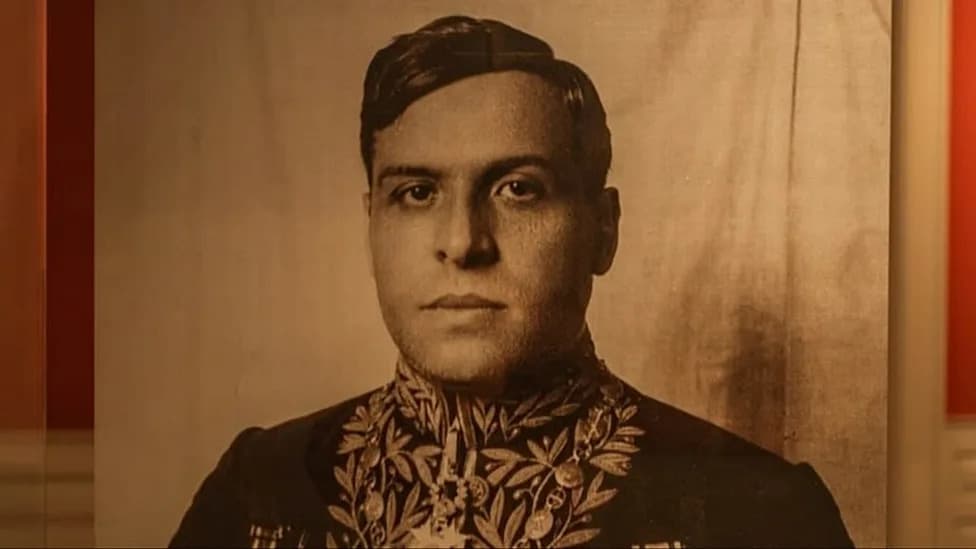
Aristides de Sousa Mendes: the man who braved 'consequences' to save thousands from Nazis
Aristides de Sousa Mendes was a Portuguese consul whose conscience-led defiance in 1940 helped as many as 30,000 people escape Nazi persecution. His decision to issue transit visas from Bordeaux cost him his career, ruined his family's finances and left a legacy that Portugal only fully recognised decades later.
Background
Born on 19 July 1885, Sousa Mendes served as Portugal’s consul in Bordeaux as Nazi forces advanced across Europe. During the summer of 1940, Bordeaux became a major gathering point for refugees fleeing German-occupied territories. Many faced imminent deportation to extermination and concentration camps run by the Nazi regime, which pursued an ideology of racial supremacy that led to the systematic murder of millions, including approximately six million Jews and hundreds of thousands of Roma and Sinti.
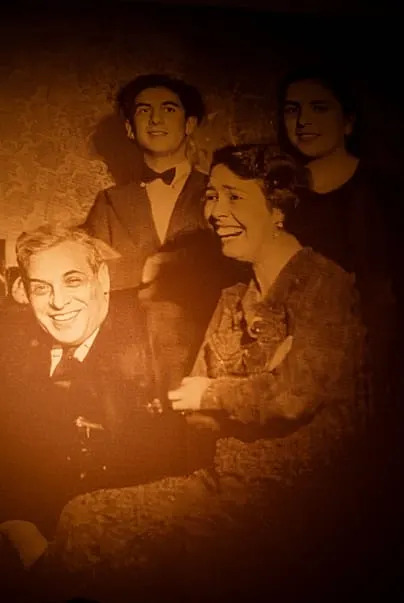
Photograph of Aristides with his family, currently on display at Casa do Passal in Cabanas de Viriato- Museu Aristides de Sousa Mendes
The Rescue
Confronted by the humanitarian crisis unfolding in the streets around him, Sousa Mendes disobeyed Lisbon’s Circular No. 14 — an instruction from António de Oliveira Salazar’s Estado Novo government that forbade consular posts from issuing visas without ministry approval. Instead, he issued large numbers of transit visas that allowed refugees to cross into Spain and then Portugal, giving them a path to safety.
Scale: Contemporary estimates credit Sousa Mendes with saving roughly 30,000 people in 1940; researchers suggest their descendants may number around 750,000 today.
Consequences
The Portuguese authorities responded harshly. Sousa Mendes faced disciplinary proceedings, was stripped of his duties, and saw his salary withdrawn. The entire Sousa Mendes family was effectively blacklisted by PIDE, Portugal’s political police, and suffered long-term social and economic ostracism. He spent the last 14 years of his life in hardship and died in poverty, leaving a large family without stable means of support.
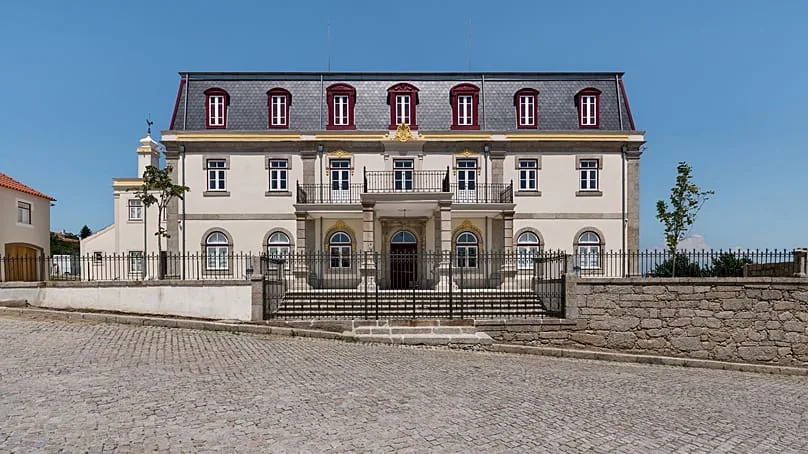
Casa do Passal in Cabanas de Viriato- Museu Aristides de Sousa Mendes
Recognition and Legacy
Recognition arrived slowly. A lengthy rehabilitation process culminated in national honours and, in 2021, the transfer of Sousa Mendes’s remains to Portugal’s National Pantheon as one of the country’s distinguished figures. Nevertheless, the museum and foundation that preserve his memory continue to press for a stronger place for his story in school curricula.
Museum, Education and Public Memory
The Aristides de Sousa Mendes Museum opened in Casa do Passal, Cabanas de Viriato, on 19 July 2024 — the diplomat’s 139th birthday. The nine-room exhibition presents Sousa Mendes’s life before and after 1940, emphasizing his human story and the cost of his moral choice. Since opening, the museum has welcomed about 54,000 visitors, including roughly 6,000 school pupils. In 2026 the museum inaugurated the Doutora Maria Barroso Documentation Centre to support researchers and the public.
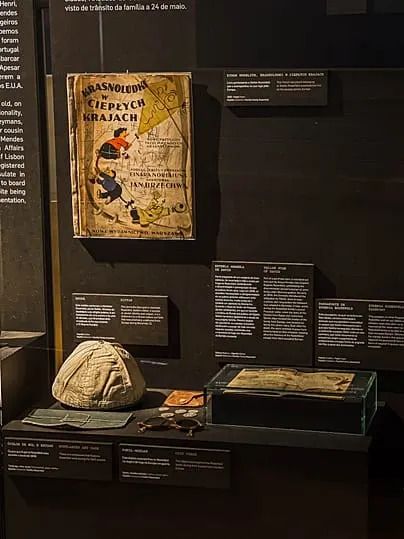
The stories of some of the families who escaped the Nazi regime thanks to Aristides are highlighted at Casa do Passal- Museu Aristides de Sousa Mendes
Context and Comparisons
Sousa Mendes is often compared to figures such as Oskar Schindler. While Schindler’s story reached global audiences through film and saved around 1,200 people, historians note that Sousa Mendes’s rescue operation was larger in scale. Other Portuguese diplomats and citizens — including Carlos Sampaio Garrido, Alberto Teixeira Branquinho, Father Joaquim Carreira and José Brito Mendes — also helped refugees, though not all on the same scale.
Why It Matters Today
Museums and educators present Sousa Mendes’s example as a reminder that individual choices can make a profound difference in humanitarian crises. Curators argue his story is especially relevant now, amid contemporary migratory flows and debates over how societies welcome or reject vulnerable people fleeing violence, persecution or deprivation.
This article was translated with the assistance of artificial intelligence. Report problems: [email protected].
Help us improve.