As a pediatric intensive care unit nurse and a mother, I thought I understood how to navigate the health-care system—until my daughter Lily was diagnosed with pulmonary hypertension, a serious condition that raises blood pressure in the arteries of the lungs. After 36 days in the ICU and a placement on the lung-transplant list, Lily came home on round-the-clock supplemental oxygen. That continuous therapy has kept her alive, helped her thrive, and given our family renewed hope.
Even with my clinical experience, home oxygen care pushed me into unfamiliar territory. I quickly learned that oxygen therapy is far more than a piece of equipment: it is a complex medical treatment that requires caregiver education, reliable supplies, and access to trained respiratory therapists—services many families cannot readily obtain.
What We’ve Had To Learn
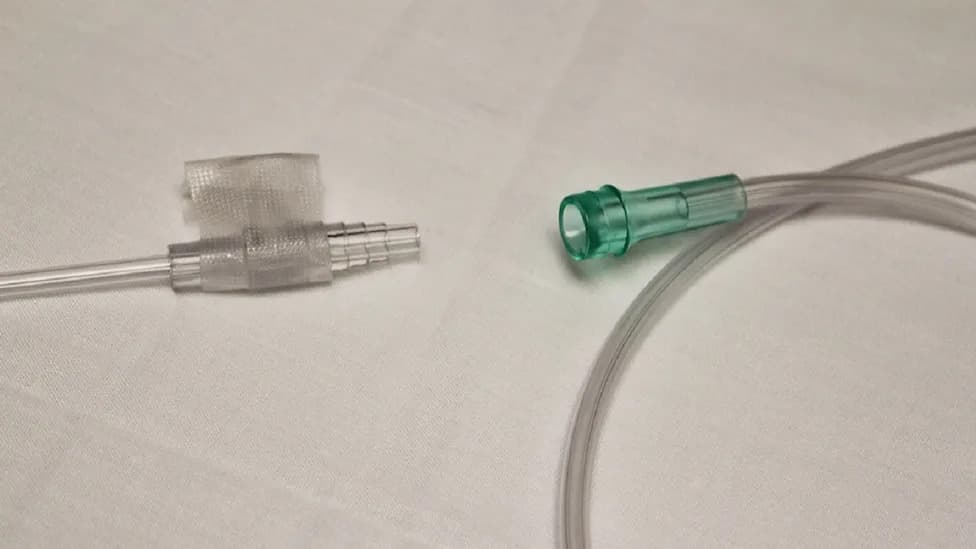
We taught ourselves how to refill tanks, manage backup supplies, troubleshoot equipment, and coordinate care so Lily could experience childhood like any other 10-year-old. We learned safe storage and emergency procedures for equipment failures. Our monthly electricity bill has climbed to nearly $450 because concentrators run continuously and recharging portable tanks can take hours. For years Lily hauled a heavy concentrator up and down our stairs because insurance refused to cover a second unit.
"Oxygen has never defined Lily—she cheers, rides horses, and swims while connected to 26 feet of tubing. But accessing the equipment that lets her participate has been an uphill battle."
Liquid Oxygen: A Practical Solution With Growing Barriers
After connecting with a respiratory therapist who advocated for our family, we learned about liquid oxygen: a lighter, more portable option that would dramatically improve Lily’s mobility and independence. Instead of carrying a heavy concentrator, a portable liquid oxygen system would let her move freely at school and during activities.
Unfortunately, access to liquid oxygen has declined nationwide. Federal reimbursement policies and insurance practices have created financial and administrative barriers, making it harder for patients to obtain the oxygen modalities that best meet their clinical needs and support quality of life.
Policy Fixes That Would Help
Congress can help by modernizing oxygen policy so that patients and families can access the equipment and support services that best fit their needs. Lily and I have met with lawmakers to urge passage of the Supplemental Oxygen Access Reform (SOAR) Act (H.R. 2902 / S.1406). This bipartisan bill would:
- Create a separate reimbursement framework for liquid oxygen
- Provide payment for respiratory therapists to support home-based care
- Streamline and simplify documentation and administrative processes
These changes would not only help Lily but also thousands of Americans living with serious lung disease who need mobility, independence, and reliable care.
A Personal Plea
When Lily and I recently traveled to Washington, D.C., to advocate for better access, I spent hours securing tanks and dealing with a provider hampered by insurance limits. Communication gaps, inconsistent policies, and reimbursement hurdles create unnecessary obstacles for families just trying to ensure their loved ones can get oxygen away from home.
Patients should not need extraordinary effort to obtain the devices they need to breathe. Broader access to respiratory therapy services and a reimbursement framework that recognizes modern oxygen modalities would be life-changing. I urge Ohio’s congressional delegation—and lawmakers nationwide—to support the SOAR Act and ensure families like ours can get the care and equipment they need.
Lindsay Cipriani of Groesbeck is a Pediatric Intensive Care Registered Nurse and an advocate with the Pulmonary Hypertension Association.