Mayor Karen Bass’s remark that some unhoused people use methamphetamine "to stay awake for protection" has drawn sharp criticism from residents and opponents who view it as tone-deaf. Polling shows Bass’s approval in the low 30s with higher disapproval, and many Angelenos question the effectiveness of billions spent on homelessness amid mixed outcomes. Critics cite Inside Safe recidivism (about 40%), a 17.5% drop in unsheltered counts over two years but higher totals than pre-pandemic, and a near–$1 billion budget gap as evidence that the city needs more durable solutions.
‘Meth as Protection?’ Mayor Bass’s Comment Fuels Outrage and Renewed Scrutiny of LA’s Homelessness Strategy
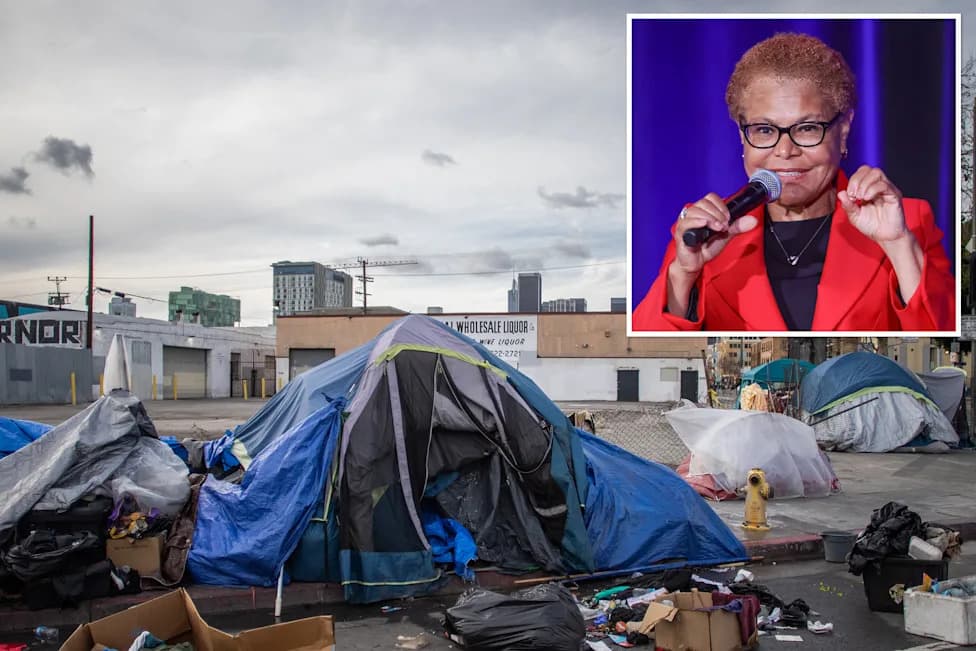
Los Angeles taxpayers have poured billions into homelessness services in recent years, yet tents, discarded needles and visible suffering remain a daily reality in many neighborhoods. Mayor Karen Bass’s recent comment that some unhoused people use methamphetamine "to stay awake for protection on the city's dangerous streets" touched off immediate backlash from residents and political critics who say it minimizes the public-safety and public-health consequences of addiction.

Mayor Karen Bass insists homeless folks use meth "to stay awake for protection on the city's dangerous streets." Getty Images for Los Angeles Cleantech Incubator (LACI)
Public Reaction And Political Fallout
Critics argue the remark is tone-deaf and symptomatic of broader policy failures, pointing to low approval ratings for Bass (commonly reported in the mid-30s) and higher disapproval numbers. Polls and constituent frustration over persistent encampments, visible drug use and quality-of-life issues have contributed to a narrative that the city’s approach has produced modest paper wins but limited, tangible improvements for residents.
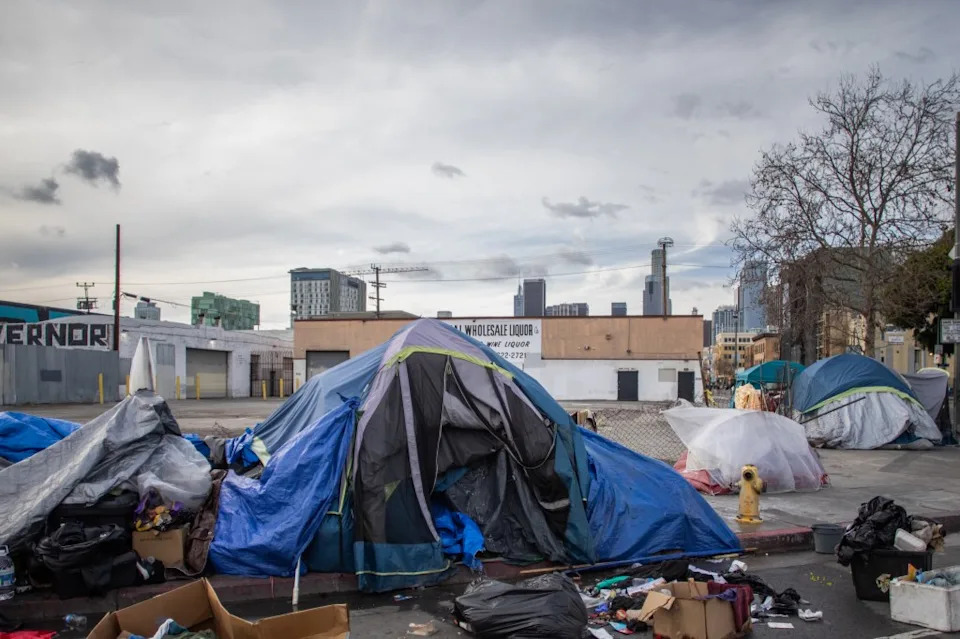
It's the same progressivism that turned Skid Row into a spectacle and left us with visible decay amid record spending. Apu Gomes for California Post
What The Comment Overlooks
Medical and public-health professionals caution that methamphetamine is associated with severe physical and mental harms — including psychosis, paranoia and dental decay — and that addiction is a major driver of chronic homelessness and disorder in public spaces. Framing meth use primarily as a pragmatic "safety" strategy risks diverting attention from the need for sobriety-focused treatment options, harm-reduction strategies that reduce immediate risks, and stronger pathways to stable housing and recovery.

Polls show that Angelenos are fed up with homelessness theater despite the eye-watering spending. Apu Gomes for California Post
Programs, Outcomes And Questions
Supporters of expanded services point to programs that have moved people indoors, such as the Inside Safe initiative. Officials report thousands entered indoor placements, but critics note that roughly 40% of participants reportedly returned to the streets, an outcome opponents cite as evidence that current strategies are not delivering durable results for many clients.

Hyper-pure meth drives chronic homelessness, trapping people in tormented states that kill any shot at recovery. David Buchan for California Post
Mayor Bass and city officials highlight a reported 17.5% drop in unsheltered counts over two years; however, overall homelessness remains higher than pre-pandemic levels and rough sleeping has increased in some neighborhoods. That mixed record — large public spending, some improvements on paper, and persistent visible problems — has left many Angelenos unconvinced.
Broader Context: Budgets, Fires And Public Concern
The mayor’s comments arrive amid other challenges: high-profile incidents such as the Palisades and Eaton fires, a near–$1 billion budget shortfall, and continued complaints about thefts and disorder that affect daily life. For many residents, the question is less about compassion and more about results: they want strategies that combine humane care with accountability, effective treatment and safer streets.
Bottom line: Few dispute the need for compassion and services for people in crisis. But describing meth primarily as a protective strategy struck many Angelenos as an explanation that excuses, rather than confronts, addiction and its effects on public safety and recovery prospects.
By Richie Greenberg, Political Commentator, San Francisco.
Help us improve.