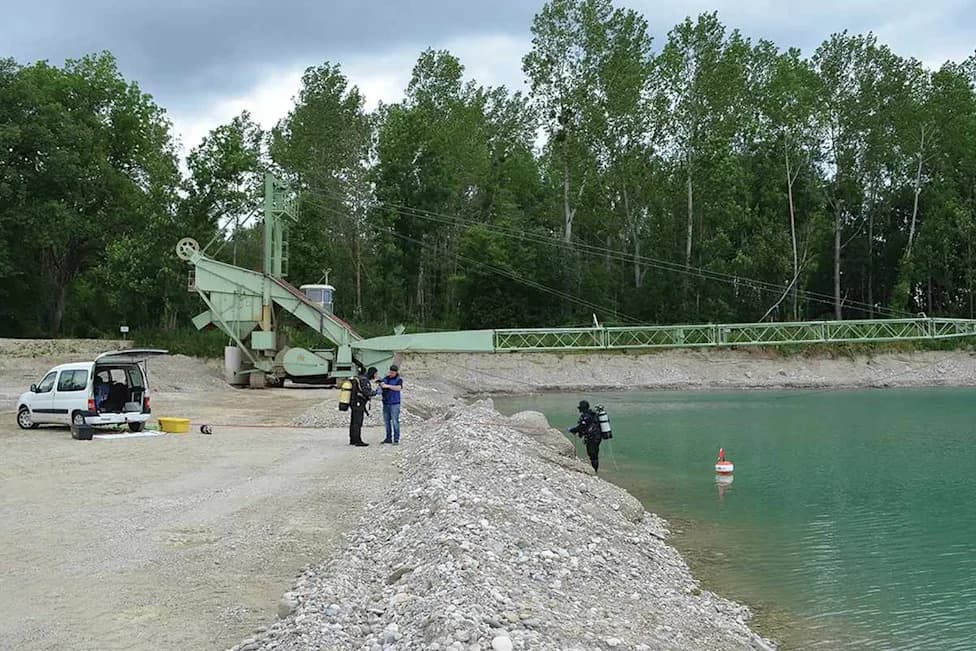
A metal detectorist, Marcin Wiśniewski, discovered an exceptionally well-preserved Bronze Age sword standing upright in the sandy soil of the Gdańsk Forest District in northern Poland. The Pomeranian Provincial Heritage Conservator dates the weapon to the Late Bronze Age (c. 900–700 B.C.), making it about 2,700 years old. Archaeologists recovered the sword using professional methods, and specialists will study it before a museum transfer is decided. The region has produced similar finds, including antenna-hilt swords lost during World War II.
Rare 2,700-Year-Old Bronze Sword Found Standing Upright in Polish Forest
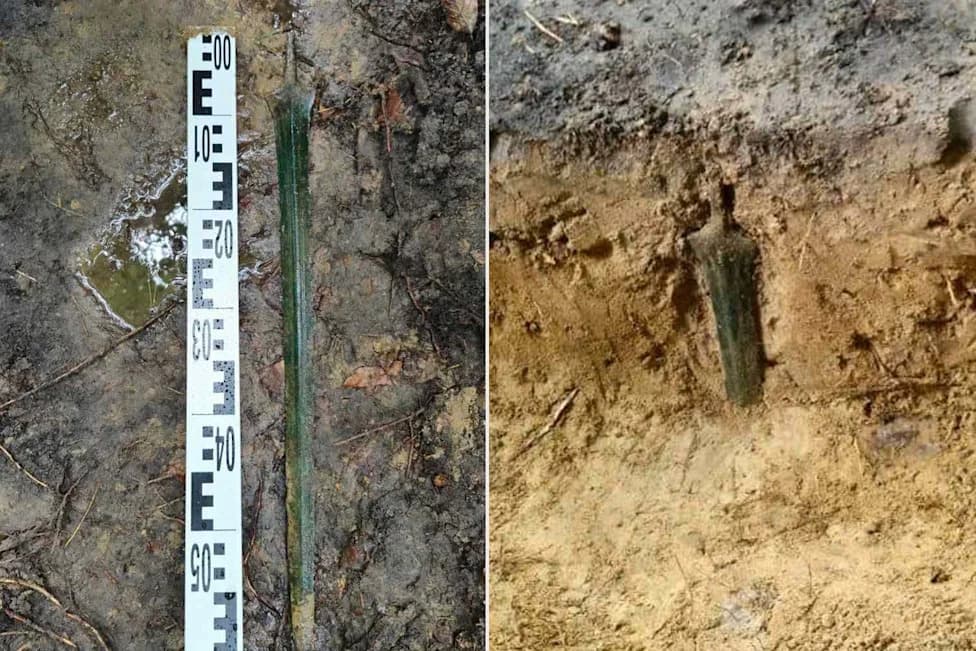
2700 Year Old bronze sword found in Northern PolandCredit: Pomeranian Voivodeship Conservator of Monuments/Facebook
A metal-detecting hobbyist has uncovered a remarkably well-preserved Bronze Age sword standing upright in the sandy soil of a northern Polish forest. The find was made by metal detectorist Marcin Wiśniewski in the Gdańsk Forest District and is dated by the Pomeranian Provincial Heritage Conservator to the Late Bronze Age (circa 900–700 B.C.), making the weapon roughly 2,700 years old.
Discovery and Recovery
Photos released by the conservator show the sword protruding vertically from the ground before it was excavated. Rather than attempting to remove it himself, Wiśniewski reported the discovery to heritage authorities; archaeologists from the Department of Archaeological Monuments recovered the artifact using professional excavation and conservation methods.
"After the discovery was reported, staff from our Department of Archaeological Monuments recovered the artifact using proper archaeological methods, working together with the finder," the Pomeranian Provincial Heritage Conservator wrote on Facebook.
Context and Significance
Bronze Age swords are uncommon finds, and the exceptional upright position of this weapon has drawn interest from specialists. The region has produced similar discoveries: two bronze swords with antenna-shaped hilts were recovered from a nearby peat bog in the 1920s but were later lost during World War II.
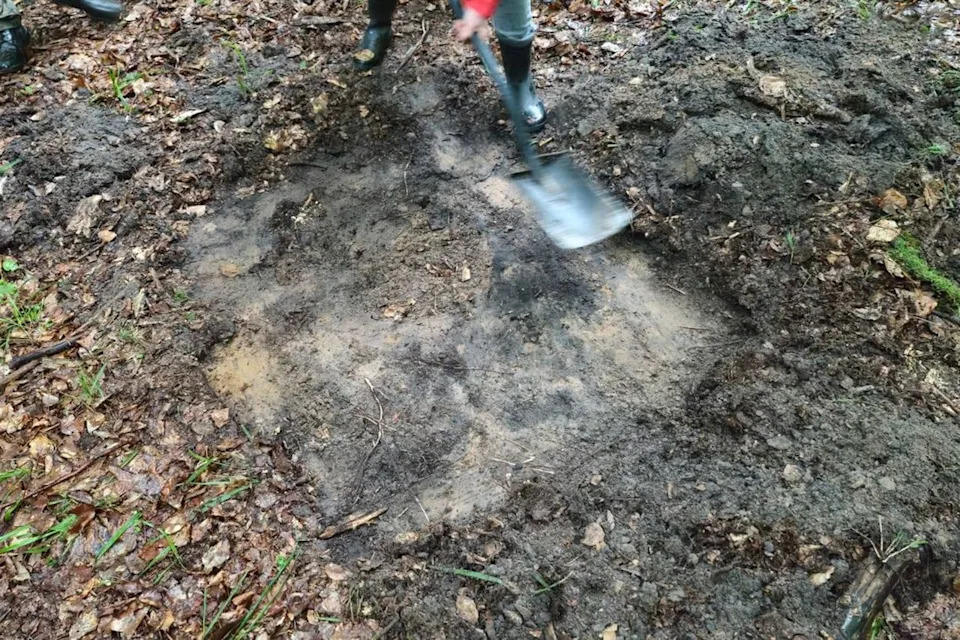
Someone digging in muddy ground in a wooded area using a shovelCredit: Pomeranian Voivodeship Conservator of Monuments/Facebook
Conservators plan to study the sword to determine its typology, metallurgical composition and archaeological context, which may shed light on who made it and why it was deposited where it was found. The Provincial Heritage Conservator will decide which museum will receive the artifact after scientific analysis is complete.
Recent Related Finds
This discovery follows other recent recoveries of historic weapons in Poland, including a cache of early medieval arms retrieved from a lake in west-central Poland and a roughly 700-year-old sword pulled from the Vistula River.
Next steps: Specialists will carry out conservation, dating and analysis; a museum transfer will be announced once these studies conclude.
Help us improve.