Kimberlé Crenshaw reclaims intersectionality in her memoir Backtalker, arguing the concept names overlapping systems of power and exclusion rather than isolated identities. She warns that race- and gender-neutral policies can reproduce inequality if they ignore context, and stresses that Black women’s incomes and career paths are central to family and community wellbeing. Crenshaw urges policymakers to design safety nets that eliminate predictable distributional harms and to resist the co-optation of ideas that erase their creators.
Kimberlé Crenshaw’s Backtalker: Reclaiming Intersectionality As A Framework Of Power
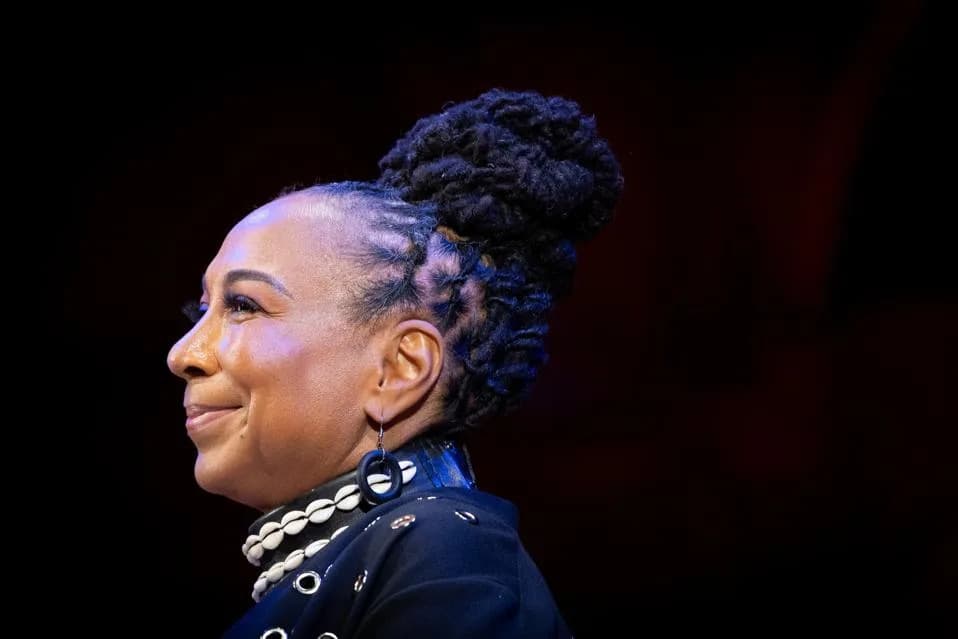
CAMBRIDGE, MA - OCTOBER 01: Civil rights advocate and legal scholar Kimberle Crenshaw looks on before she received her medal during the Harvard University Hutchins Center Honors W.E.B. Du Bois Medal Ceremony on October 1, 2024, at Sanders Theatre in Cambridge, MA. (Photo by Erica Denhoff/Icon Sportswire via Getty Images)Icon Sportswire via Getty Images
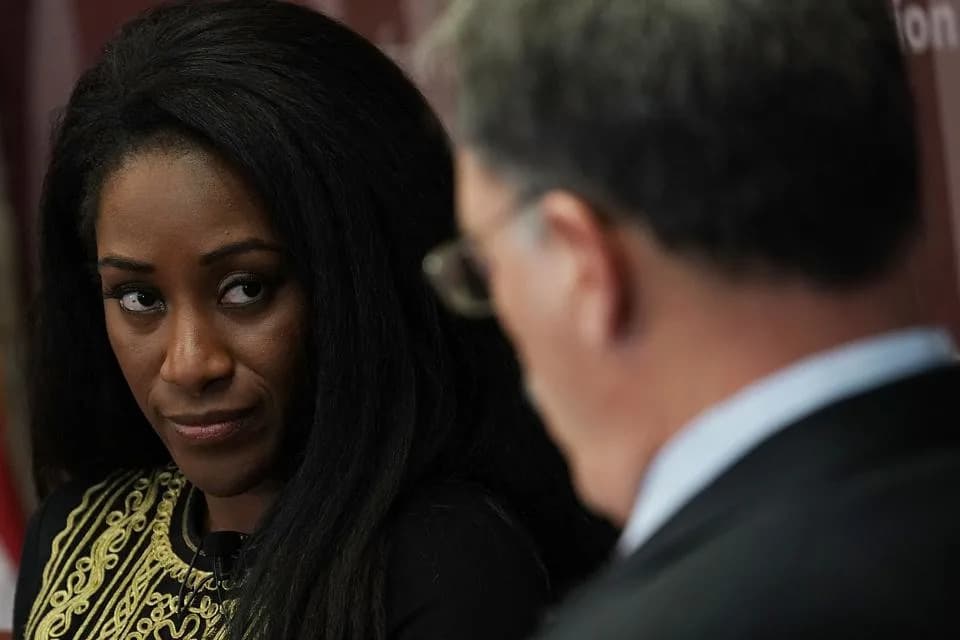
Legal scholar and civil-rights advocate Kimberlé Crenshaw uses her new memoir, Backtalker, to reclaim the meaning of intersectionality and to explain how the concept has been misrepresented in public debate. In a wide-ranging conversation with interviewer Nyandoro, Crenshaw reflects on the origins of intersectionality, the forces that have co-opted it, and why centering Black women is essential to honest policy design and economic justice.
What Intersectionality Really Means Today
Crenshaw emphasizes that intersectionality—coined in 1989—has long been both an analytical tool and a vocabulary rooted in lived experience. Far from a trendy import, it names overlapping patterns of discrimination and exclusion that do not operate independently but often reinforce one another. She warns that portrayals of intersectionality as a novel or foreign idea frequently come from actors seeking to distort or repurpose the concept.
“Intersectionality is really about discrimination and patterns of exclusion that are not always separate and mutually exclusive but often overlap and reinforce exclusion and marginality.”
Why A Memoir?
Crenshaw chose memoir as a form of translation—moving ideas born of personal and community experience into a public register shaped by law and institutions. She likens the common fate of intellectual contributions from marginalized communities to gentrification: the ideas are taken, polished, and celebrated while their originators are written out of the story. Backtalker is an attempt to set the record straight and to center the people behind the framework.
Blind Spots In Economic Policy
One major policy blind spot, Crenshaw argues, is the assumption that formal equality and race- or gender-neutral rules automatically produce fair outcomes. Neutral-seeming policies that ignore context can reproduce or even create new inequalities. She highlights that Black women’s incomes and career trajectories are often central to family and community wellbeing—children disproportionately rely on Black women’s earnings, and Black women are disproportionately heads of household—yet policy analyses frequently omit this reality.
Why Black Women Are Overlooked
Crenshaw points to patriarchy and sexism as structural causes of omission. Public conversations about anti-Blackness often focus on Black men and boys, which obscures the specific harms Black women face. She also underscores how sexual exploitation and entrenched stereotypes have shaped economic and social systems from slavery onward, producing persistent harms that remain insufficiently addressed.
Designing A Safety Net Through A Critical Race Lens
Applying a critical race lens to social policy, Crenshaw says, begins with establishing a baseline below which no one should fall. Policymakers should examine rules and practices that produce predictable distributional harms and eliminate arbitrary constraints that push people to the margins. She cautions against arguments that rely on access to opportunities that have never been equitably distributed and rejects opposition to diversity, equity, and inclusion that rests on resentment toward non-traditional winners.
Who Is This Memoir For?
Crenshaw writes to arm stakeholders in democracy—those who inherit the struggle to expand inclusion and resist erasure. She wants readers to understand that efforts to strip communities of their stories and legacies are an attack on the most valuable assets those communities have: their histories, sacrifices, and voices.
Practical Omissions—and Their Consequences
In practice, leaving Black women out of policymaking looks like treating them as an afterthought in resource allocation and advocacy. Policies that claim to uplift families or children but fail to center the women who sustain households will continually miss their targets. For Crenshaw, attending to the economic realities of Black women is essential to any policy that genuinely seeks to improve child and family wellbeing.
Optimism And A Call To Action
While Crenshaw expresses cautious optimism about the next generation of scholars and activists, she insists that progress requires deliberate resource-pooling and political commitment. The current generation must protect this intellectual inheritance and build a more equitable future, not fritter away the gains won by prior activism.
Originally published on Forbes.com.
Help us improve.