Gary Syvret, 67, credits ICU follow-up care with "saving his sanity" after an infection linked to a 2024 heart operation required stabilisation in ICU and transfer to Oxford. He developed Post-Intensive Care Syndrome (PICS), which has left him with memory gaps and hallucinations. Despite being given around a month to live, Syvret is campaigning to raise awareness of the ICU follow-up clinic set up by nurse Holly Fisher in 2016. Clinic staff warn that more than half of ICU patients may develop PICS and urge GPs and community services to recognise and support recovery needs.
ICU Follow-Up Care “Saved My Sanity,” Says Jersey Man Battling Post-Intensive Care Syndrome
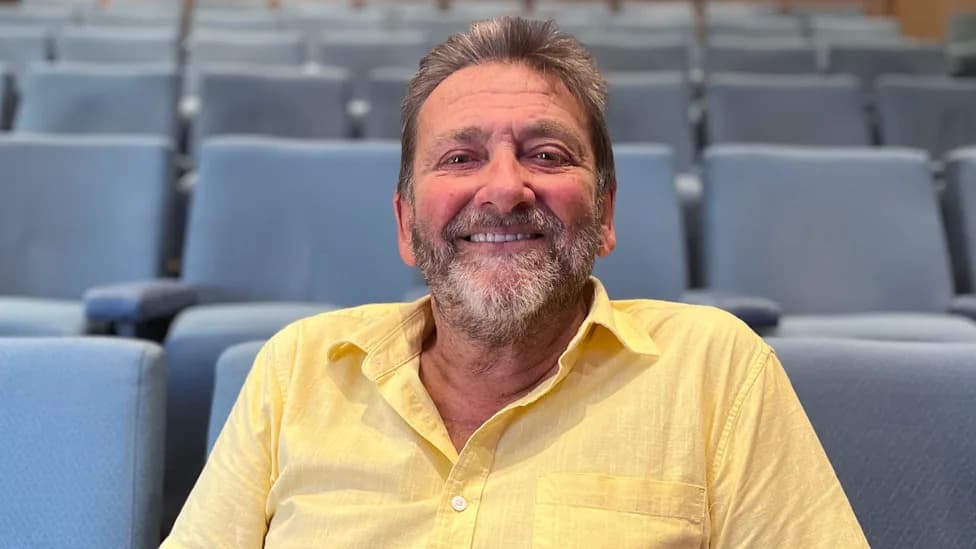
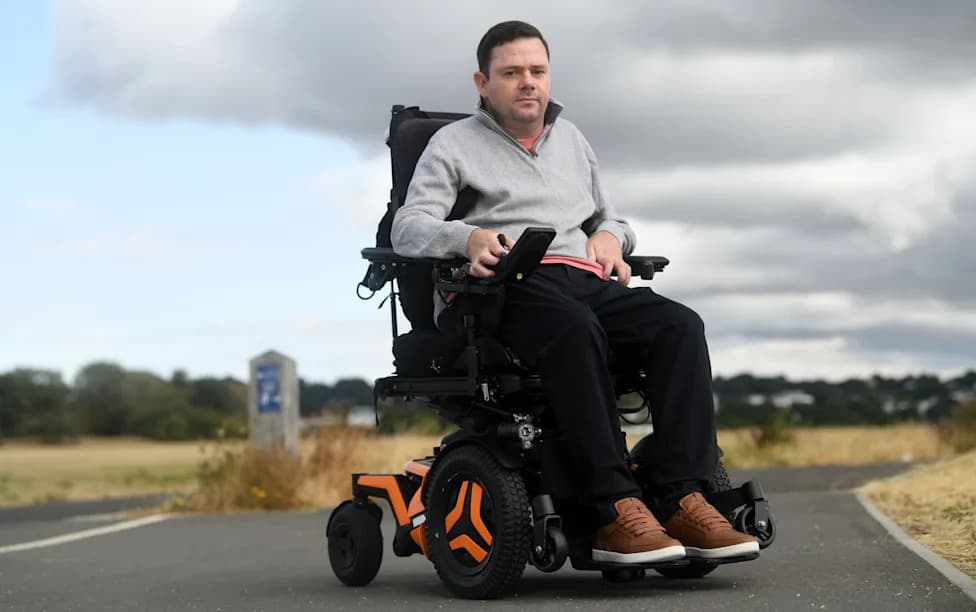
Gary Syvret wants more patients to recieve the same support he has been given [BBC]
Gary Syvret, 67, says the mental and physical support he received after a stay in the Intensive Care Unit (ICU) "saved my sanity." Syvret was admitted to A&E last year with an infection linked to a heart operation he had in 2024. He was stabilised in ICU and then flown by air ambulance to Oxford for further treatment.
Since his time in intensive care, Syvret has developed Post-Intensive Care Syndrome (PICS), a condition that can affect memory, mental health and physical recovery. He says powerful drugs used to stabilise his heart have left gaps in his recollection and contributed to vivid hallucinations.
"I'm not 100% sure what I remembered actually happened the way I remember it because of the drugs, and that's one of the things I'm working on with the team," Syvret said. "It's getting me to understand what was happening and what could have been real, what wasn't, and what some of the hallucinations might actually mean."
Syvret emphasises the benefit of speaking with clinicians outside his immediate family: "To have somebody to be able to open up and speak to about these issues that's not within your own family group is a great benefit."
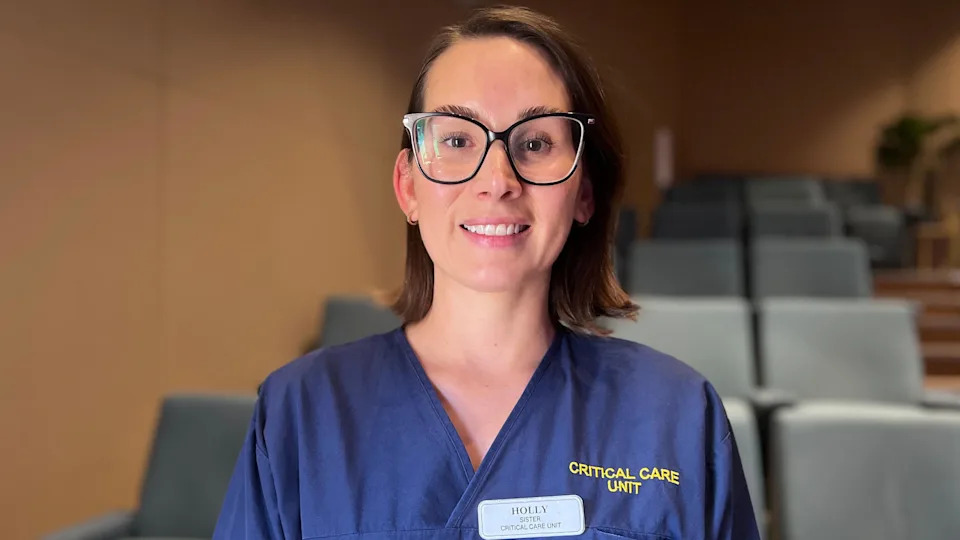
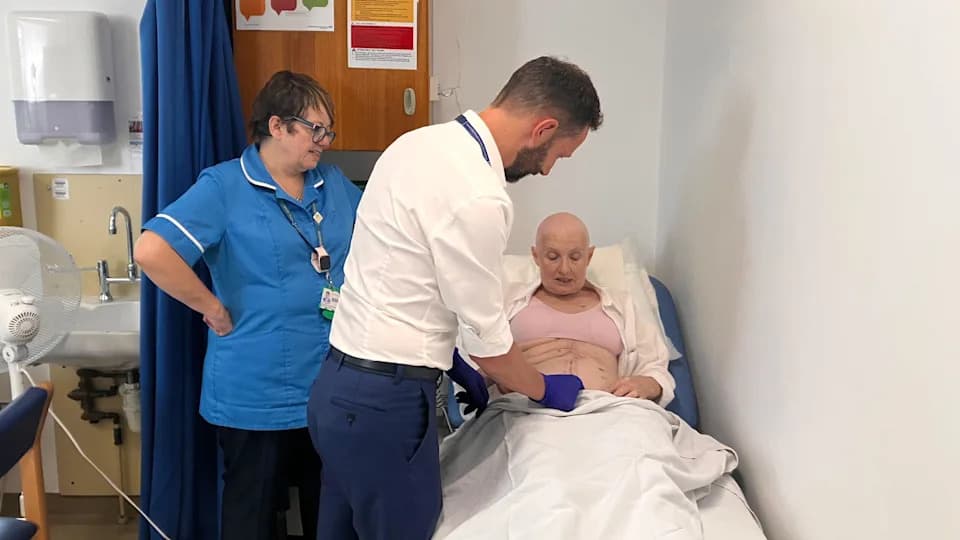
ICU nurse Holly Fisher said PICS is an issue more people should be aware of [BBC]
Although doctors have since told him his condition is terminal and given him only about a month to live, Syvret has continued to campaign to raise awareness of the ICU follow-up clinic and the needs of people living with PICS. "I've not given up and I don't intend to give up," he said, praising the team for supporting both him and his family.
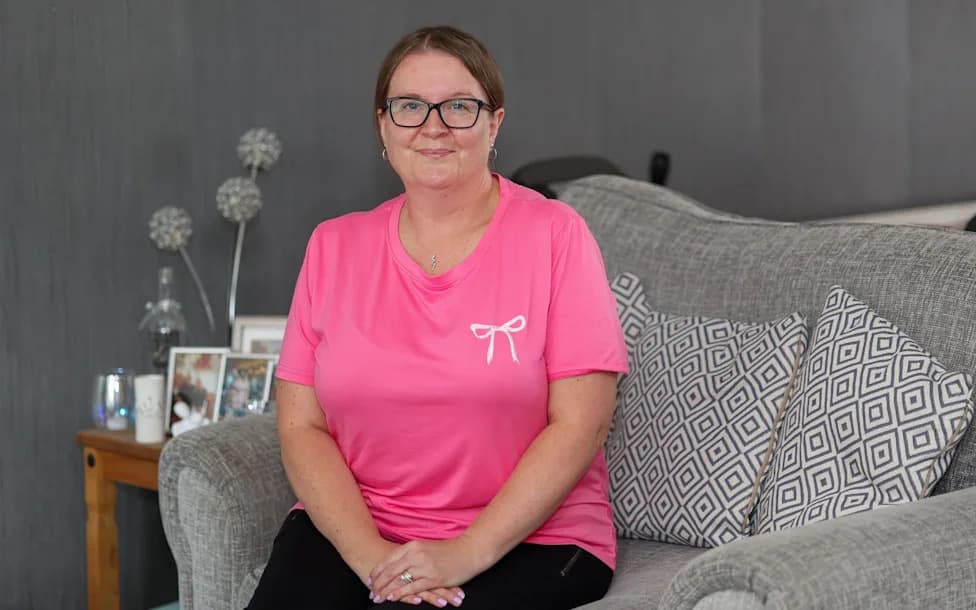
Holly Fisher, an ICU nurse who set up the intensive care follow-up clinic in 2016, said many people do not understand PICS and stressed the need to inform GPs and community services. "The recovery from ICU is huge and we really want people to understand what these patients go through and where they can get help from," Fisher said. Clinic staff estimate more than half of patients treated in ICU will experience some form of PICS.
What Is PICS?
Post-Intensive Care Syndrome (PICS) is an umbrella term used to describe a range of physical, cognitive and psychological problems that can follow a stay in intensive care. Symptoms can include memory and concentration problems, anxiety, depression, post-traumatic stress symptoms, and muscle weakness. Follow-up clinics aim to help patients and families understand symptoms, manage recovery, and connect with rehabilitation and community services.
The clinic in Jersey offers patients and their families practical support, psychological assessment and guidance to community services and GPs to improve long-term recovery after ICU care.
Help us improve.